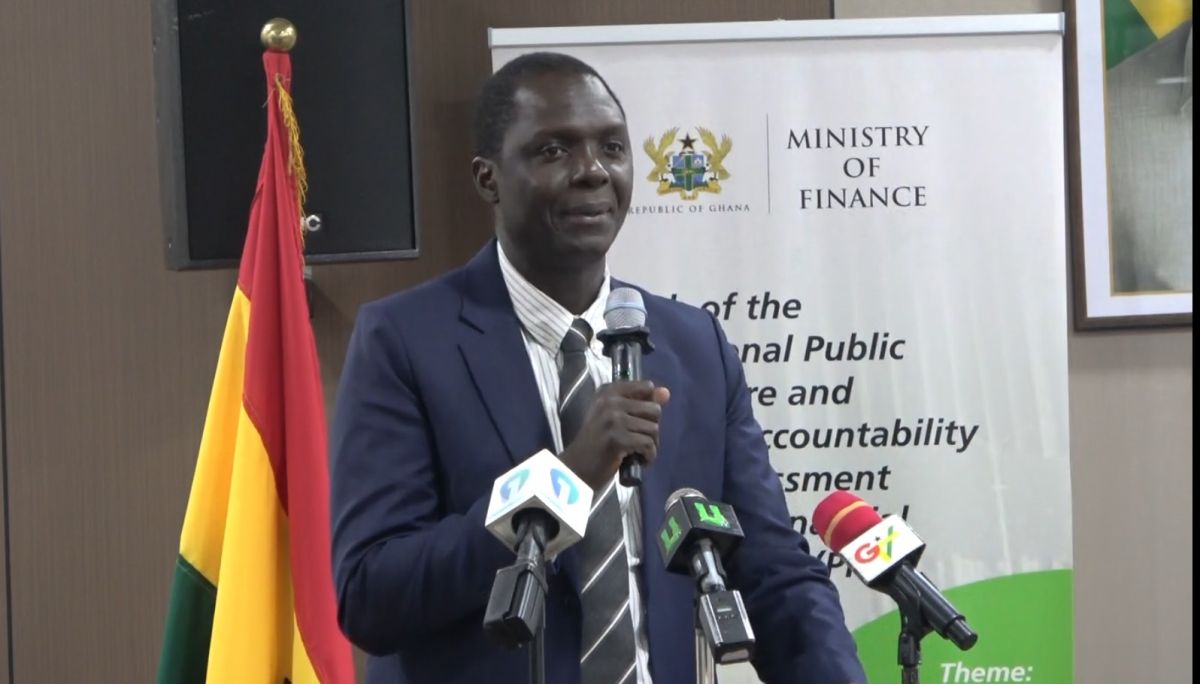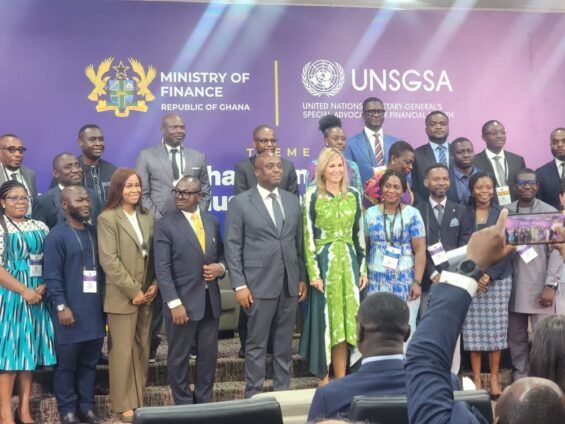
On Thursday, 5 November 2026, Deputy Minister of Finance Thomas Ampem Nyarko unveiled Ghana’s new National Financial Inclusion and Development Strategy for 2027‑2031, announcing a pivot from merely expanding access to financial services toward improving how they are used to strengthen financial security.
The strategy will target women, young people, farmers, informal sector workers and small businesses, encouraging affordable and responsible financial services, digital innovation, consumer protection, financial literacy and resilience.
Nyarko highlighted that while more than 80% of Ghanaian adults hold a financial account, only 22% were financially healthy in 2021, underscoring the need to move beyond account ownership. He said, "We have become good at opening accounts. We must now become better at making accounts improve lives."
The plan will establish a Financial Inclusion Council to coordinate regulators and stakeholders, and operationalise a financial health framework to measure households’ ability to meet everyday expenses, withstand shocks, save and invest.
Linking the initiative to macroeconomic gains—6.2% growth in the first half of 2026 and inflation falling to 5.5%—Nyarko said the strategy supports the government’s goal of a productive, competitive economy that provides opportunities for farmers, businesses and young entrepreneurs.
He called on banks, fintechs, insurers, pension providers and development partners to help implement the policy, noting success will be measured by improved financial circumstances, not just account numbers.
The strategy is slated for launch in the first half of 2027, with the 2027 Budget Statement expected to further the transition toward value creation and expanded economic opportunities.