The Minority in Parliament has called for the permanent abolition of the GH¢1 per litre petroleum levy, arguing that the government’s recent decision to suspend the charge merely provides temporary relief to consumers.
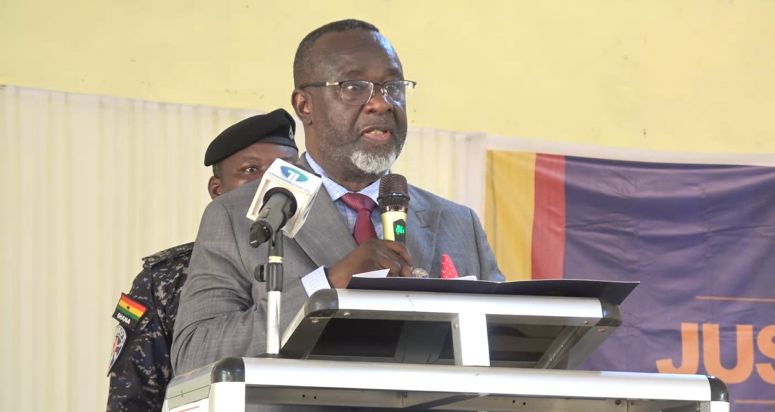
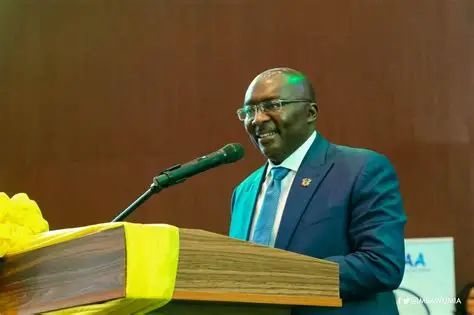
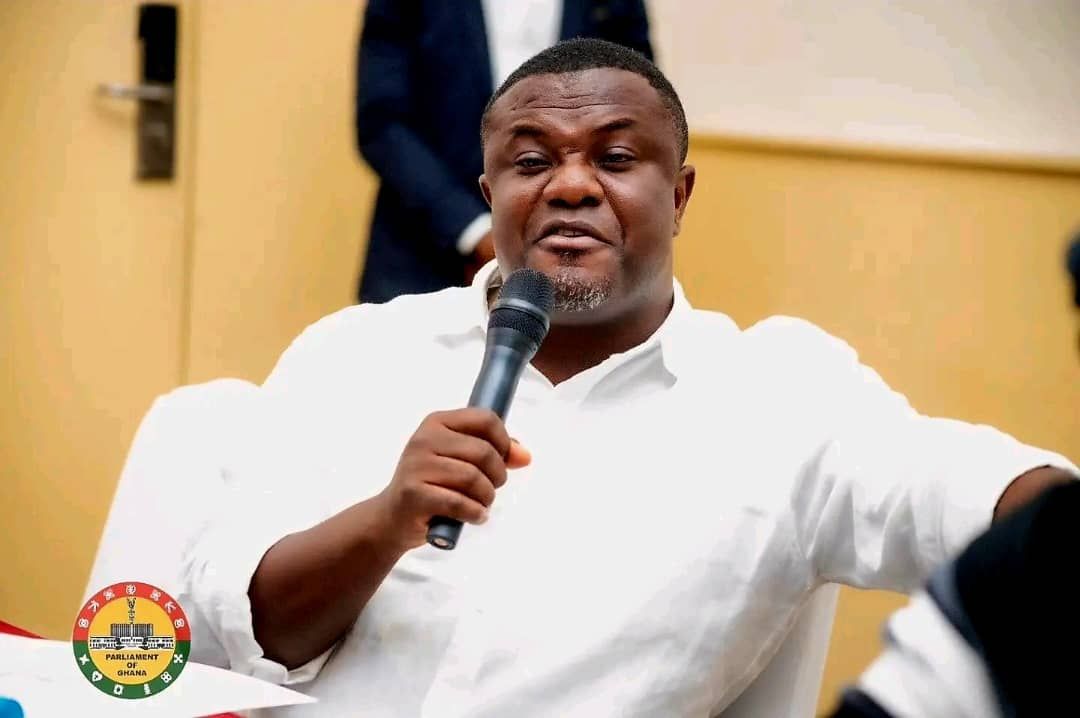
Deputy Ranking Member of the Energy Committee, Collins Adomako‑Mensah, told Eyewitness News on Thursday, November 5, 2026, that the levy should not be reinstated after the suspension period. He said the charge had added an extra burden on motorists and transport operators.
Speaking from Afigya Kwabre East, the MP said the Minority had consistently opposed the levy and welcomed the suspension. “We still insist [it] should have been abolished. What this means is that after two months or a month, that one Ghana cedi will come back,” he said.
Adomako‑Mensah maintained that the suspension does not address the Minority’s longstanding objection to the charge, which it believes should be removed entirely. He added, “We don’t even want to hear the suspension of the one Ghana cedi. That one Ghana cedi, we still insist, should have been abolished.”
The MP recalled that the Minority had argued against introducing the GH¢1 charge per litre, proposing instead that any additional levy should be imposed per gallon to reduce the burden on consumers. He said a GH¢1 per gallon charge would have been less expensive than the per‑litre arrangement, particularly for transport companies that rely heavily on diesel.
Adomako‑Mensah also urged the government to reconsider the tax and levy components of petroleum prices to provide more sustainable relief to consumers. He said the continued uncertainty in international oil prices made it important for the government to review the structure of petroleum charges rather than repeatedly extend temporary interventions.