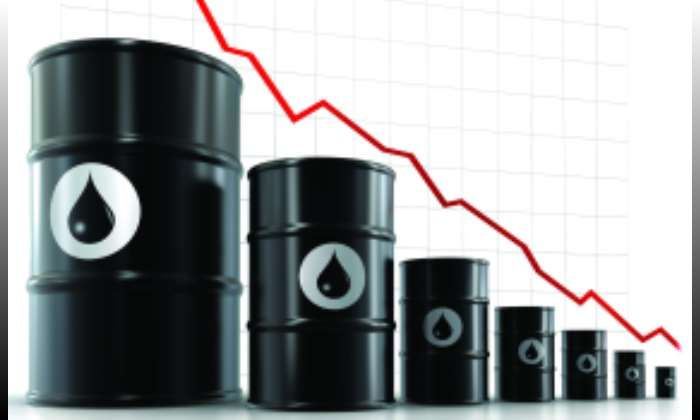
Ghana has incurred an estimated US$46.73 million in demurrage charges on petroleum imports so far in 2026, according to the Centre for Environmental Management and Sustainable Energy (CEMSE). The figure could translate into an additional 47 to 60 pesewas per litre of fuel sold to consumers.
CEMSE attributes the rise to persistent delays in discharging imported petroleum products, largely because the country relies on a single major discharge facility at Tema Port. The think tank said demurrage charges account for between 2.63% and 3.35% of retail pump prices, adding to the cost of petroleum products in the domestic market.
The Centre noted that petroleum imports and the number of downstream companies have expanded without a corresponding increase in alternative discharge infrastructure. From 2015 to 2025, imports rose by about 73%, from 3.53 million to 6.09 million metric tonnes, while the number of Bulk Oil Distribution and Export Companies grew from 37 to 53.
Despite this growth, Ghana has not developed comparable mooring facilities, leaving fuel import operations exposed to congestion, longer vessel waiting times and higher demurrage charges. The latest estimate follows an estimated US$61.6 million in demurrage exposure in 2025, well above the historical annual estimate of US$35 million.
CEMSE has also questioned a 15‑year exclusivity arrangement granted to a South African entity in 2015, arguing it may have discouraged investment in competing petroleum discharge facilities. The Centre urges the government to review the arrangement, remove regulatory barriers and establish a clear framework to attract private investment into alternative mooring infrastructure.
Expanding discharge capacity could reduce vessel congestion, improve the efficiency of petroleum imports and help eliminate avoidable costs across the downstream petroleum supply chain. If the operational inefficiencies persist, consumers may see continued rises in pump prices, affecting transport and business operations nationwide.