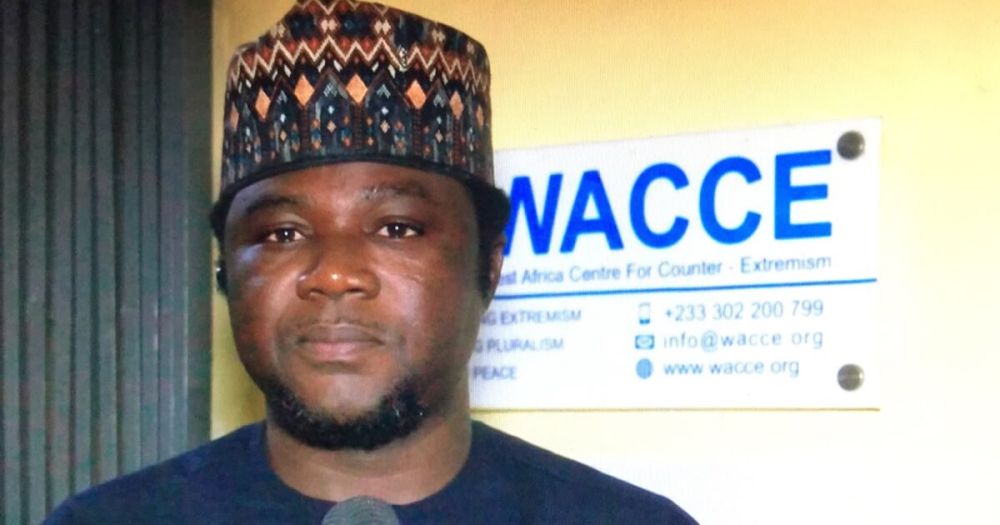
On 11 September, WACCE Executive Director Mutaru Mumuni Muqthar warned that Ghana is now “closer to the threat” than ever before. Speaking at a 9/11 Memorial Dialogue in Accra, he cited the spread of extremist violence from Mali to Burkina Faso and the movement of people fleeing insecurity as key factors that bring the danger nearer to Ghana’s borders.
Muqthar noted that before 2014, terrorism in Burkina Faso was considered a distant threat. Today, attacks are “closer to our borders,” he said, adding that geographical proximity is only one part of the challenge. He highlighted pervasive unemployment, economic insecurity, prolonged conflicts, chieftaincy disputes and ethnic tensions as internal vulnerabilities that could be exploited by extremist groups.
WACCE urged the government to increase investment in youth empowerment and strengthen community‑based approaches to preventing and countering violent extremism. The centre stressed that addressing socioeconomic weaknesses, especially among young people, is critical to building resilience in communities that might otherwise be susceptible to radical recruitment.
The warning comes amid a changing global terrorism landscape, with the Sahel emerging as a major centre of extremist violence. The 2025 Global Terrorism Index identifies the Sahel as the epicentre of terrorism globally, accounting for more than half of terrorism‑related deaths worldwide.
Ghana’s leadership is advised to focus on community‑based responses, tackle unemployment and local conflicts, and prepare for the evolving threat to protect vulnerable populations.