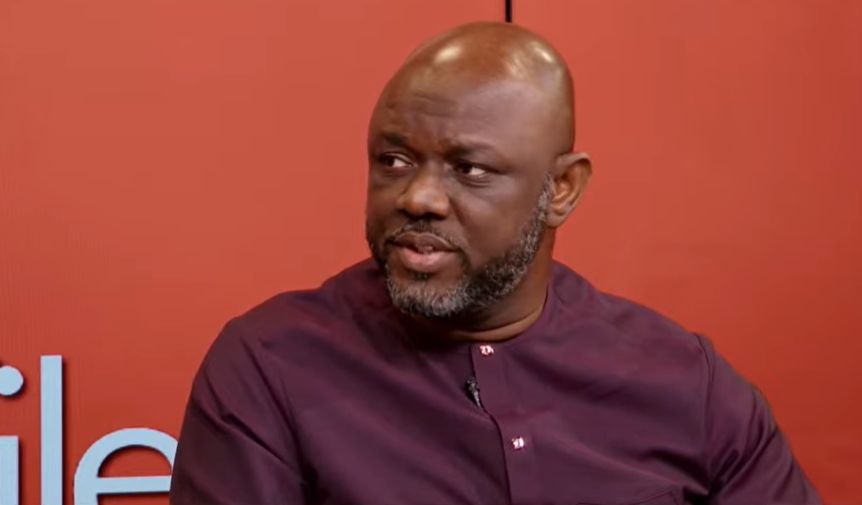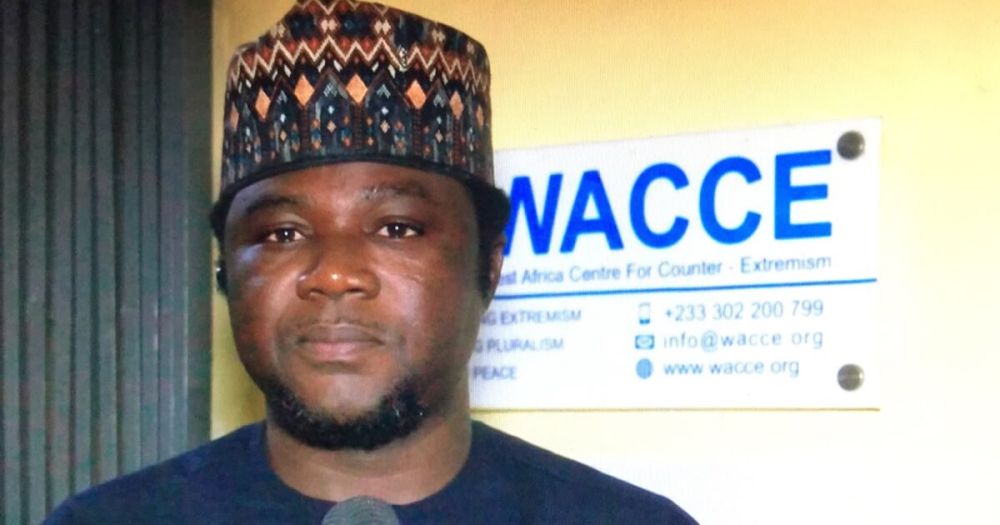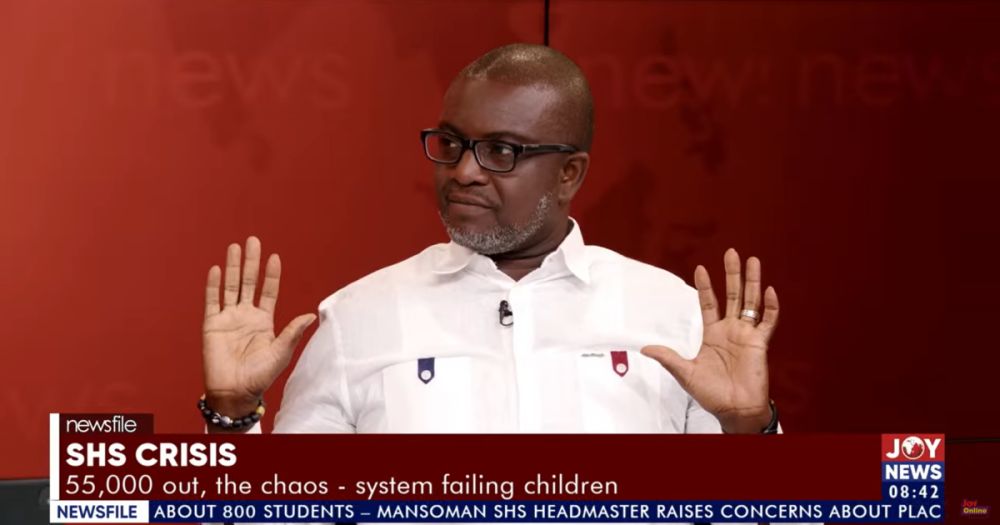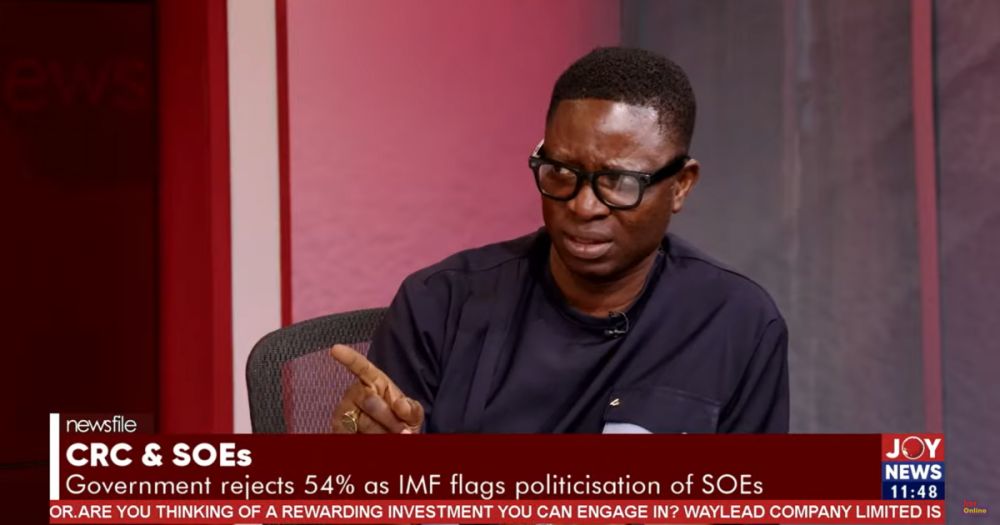
Deputy Director of Elections and Information Technology for the National Democratic Congress, Rashid Tanko Computer, said Ghana’s 1992 Constitution is due for a comprehensive review to address shortcomings that have emerged after more than three decades of operation.
Speaking on JoyNews’ Newsfile, Mr Tanko Computer highlighted that the government is committed to the constitutional reform process and believes several recommendations previously outlined in a government White Paper have already informed its current position.
He stressed that the Constitution has “come of age” and must be revised to make Ghana’s democratic and administrative arrangements more responsive to current realities, adding that the government means business in giving the nation a very revised Constitution.
Mr Tanko Computer warned that any proposed changes to local government administration must take into account the fact that Ghana operates a unitary presidential executive system, rather than a federal system. He argued that arrangements such as the election of Metropolitan, Municipal and District Chief Executives (MMDCEs) could function more effectively within a federal system, where powers and responsibilities are constitutionally distributed between central and sub‑national governments.
He cautioned that allowing political parties to field candidates in MMDCE elections could create a situation where the President belongs to one party while local authorities across an entire region are controlled by the opposition. Using the Ashanti Region as an example, he warned that a government could face difficulties implementing national policies and coordinating the distribution of resources if opposition‑affiliated DCEs controlled local administrations across the region.
Mr Tanko Computer said such a scenario could create tensions in the coordination of government and potentially raise security concerns, stating that the President would have responsibility for the equitable distribution of resources and the security of the state but could encounter challenges if local political leadership was dominated by an opposing party.
He concluded that the current political structure requires careful consideration of the relationship between the central government and local authorities before introducing reforms that could create competing political centres.