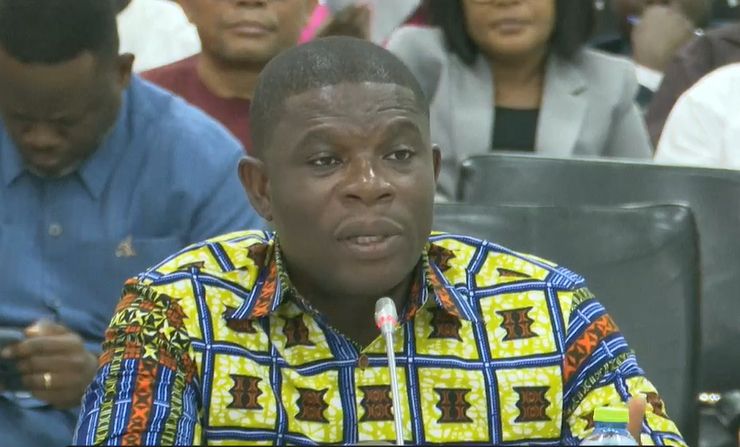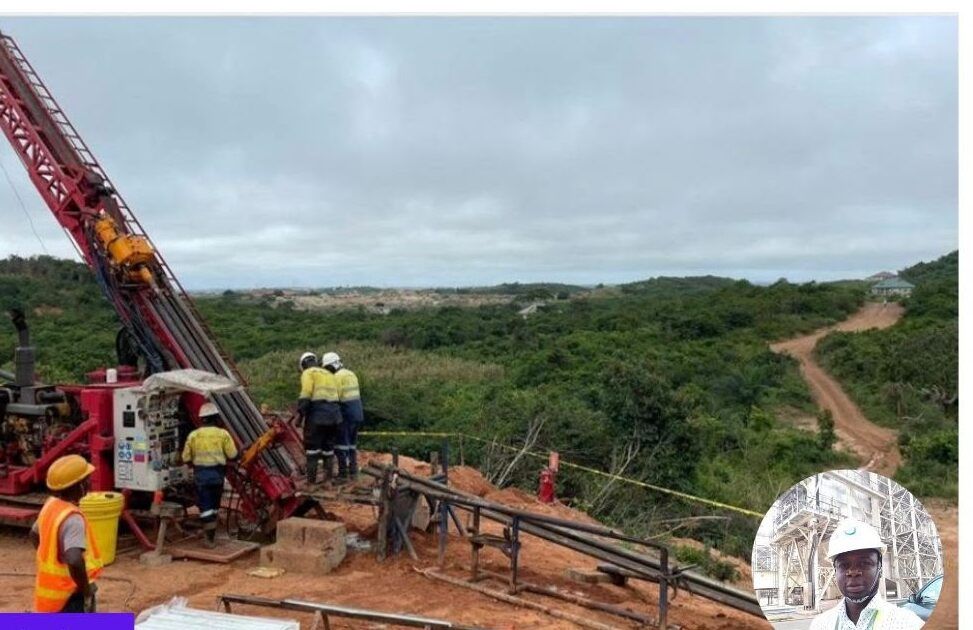
Kwegyir Essel Isaac, an energy analyst and researcher, has publicly demanded that Atlantic Lithium and its Ghanaian subsidiary, Barari DV Ghana Limited, accelerate compensation for landowners, farmers and property owners affected by the Ewoyaa Lithium Project in the Central Region.
The call comes after Parliament approved the mining agreement for large‑scale lithium extraction at Ewoyaa, a decision that has left many residents with frozen lands and inaccessible farms. Essel Isaac warned that prolonged delays could deepen the financial hardships of households that rely on agriculture for income.
“Their lands are frozen, their farms are inaccessible, their stomachs are empty, and their families cannot wait indefinitely for compensation,” he said.
He urged the companies to work closely with relevant authorities to resolve outstanding claims and to engage traditional leaders and affected stakeholders. Essel Isaac emphasised that Ghana’s ambition to develop its lithium industry must be balanced with fairness, accountability and respect for local livelihoods.
“Responsible mineral development should not be measured solely by production figures or investment commitments, but also by how fairly affected communities are treated and whether their livelihoods are protected,” he added.
The energy analyst appealed directly to Atlantic Lithium, Barari DV Ghana Limited and government institutions to prioritise the settlement of compensation claims. He called for transparent communication with residents and a clear timeline for payments to eligible claimants.
As Ghana seeks to attract investment, create jobs and generate revenue from its lithium resources, Essel Isaac cautioned that these benefits must not come at the expense of the people whose land is being mined. He insisted that the development of the country’s lithium sector should deliver shared prosperity rather than prolonged hardship for host communities.
Atlantic Lithium and Barari DV Ghana are expected to respond to the appeal and outline steps to expedite the compensation process. The outcome will be closely watched by landowners and the wider Ghanaian public as the lithium industry moves forward.