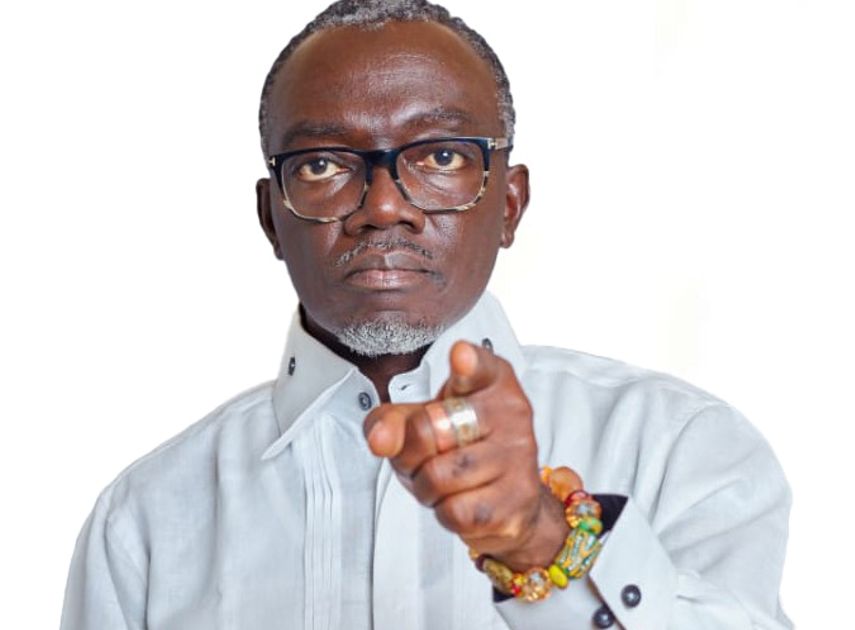
Prof Douglas Boateng, a chartered engineer and founder of the NyansaKasa platform, has issued a stark warning about Ghana’s entrenched habits. He says that the nation’s greatest obstacle is not a lack of awareness, but a comfort in defending the very problems that plague it. Boateng notes that the unborn child will inherit the choices made today, not the excuses offered.
Boateng compares the most difficult patient to treat with a society that knows its ailments but still defends the habits that cause them. He points to corruption, inequality and weak institutions as symptoms that have become normalized, turning “wrongdoing into ordinary” and “integrity into exceptional.” The engineer stresses that when political colour replaces moral consistency, institutions lose authority and citizens lose confidence.
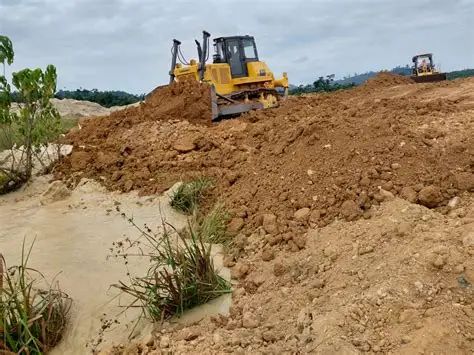
He cites recent environmental failures to illustrate the point. In January 2025, Ghana Water shut its Bonsa headworks, which supplied 75 % of Tarkwa Nsuaem’s drinking water, after illegal mining turned the river into “just mud.” The incident, Boateng says, was sustained by a web of financiers, operators, buyers, weak enforcement and social tolerance. He also recalls the 2015 flood and fire at a fuel station near Kwame Nkrumah Circle that claimed more than 150 lives, noting that decades later drains remain choked with refuse and structures still sit across waterways, yet rainfall is blamed rather than infrastructure neglect.
Boateng cites Transparency International’s 2025 Corruption Perceptions Index, which scored Ghana 43 out of 100, and UNCTAD’s estimate that Africa loses $88.6 billion annually to illicit financial flows. He argues that corruption is not confined to public officials but is a chain of participants that rewards misconduct. When communities celebrate wealth without questioning its source, families press relatives in office for favours, and businesses treat bribery as an ordinary cost, the rewards for misbehaviour increase.
In a call to action, Boateng declares,
"A society that protects the causes of its suffering should not expect time alone to deliver the cure."He urges immediate change to break the cycle of normalising wrongdoings and to protect future generations from a poisoned environment and a corrupt system.
Boateng’s message is clear: Ghana must confront its habits now or risk handing a diseased nation to its children. The next step will involve strengthening institutions, enforcing environmental laws, and fostering a culture of accountability across all sectors.