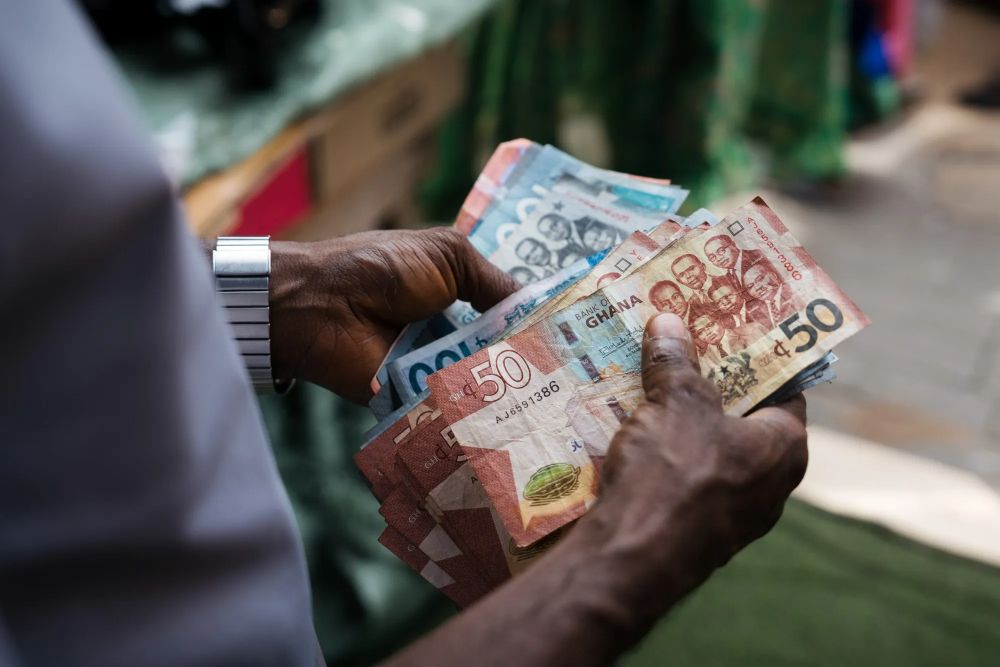
The Bank of Ghana (BoG) has issued a forecast that the cedi will remain relatively stable for the remainder of 2026, even as businesses ramp up demand for dollars to finance Christmas‑season imports.
In its latest Monetary Report, the central bank noted that foreign‑exchange interventions and remittance inflows are expected to moderate pressure on the currency. The BoG also highlighted that the cedi has recovered from the earlier May slump and that market supply is set to improve in the coming months.
To support stability, the BoG plans to supply about US$500 million to the market in September through its foreign‑exchange intermediation programme. The Ghana Gold Board (GoldBod) is also slated to contribute US$1.4 billion in foreign‑exchange receipts that September, split evenly between commercial banks and the Bank of Ghana’s reserve‑accumulation policy.
Despite these measures, the cedi recorded significant losses in the first half of 2026, depreciating 7.9% against the US dollar, 6.5% against the pound and 5.3% against the euro year‑to‑date. This contrasts with the 2025 gains of 42.6%, 30.3% and 25.6% respectively. The BoG attributed earlier pressure to higher energy‑related imports and noted a cumulative 9.5% depreciation against the dollar by mid‑July.
Nonetheless, the Bank of Ghana remains confident that increased foreign‑exchange supply and remittance flows will help ease pressure on the cedi in the months ahead. It has also assured markets that it is prepared to intervene if necessary to maintain orderly conditions while preserving exchange‑rate flexibility.