Ghana’s Ambassador to the United States, Victor Smith, revealed that his son was subjected to bullying at an American school because of his African background and accent. The comments came after the fatal shooting of 15‑year‑old Ghanaian Javits Badu Nkansah Frimpong in New York, a case that highlighted the prevalence of harassment among students of colour.
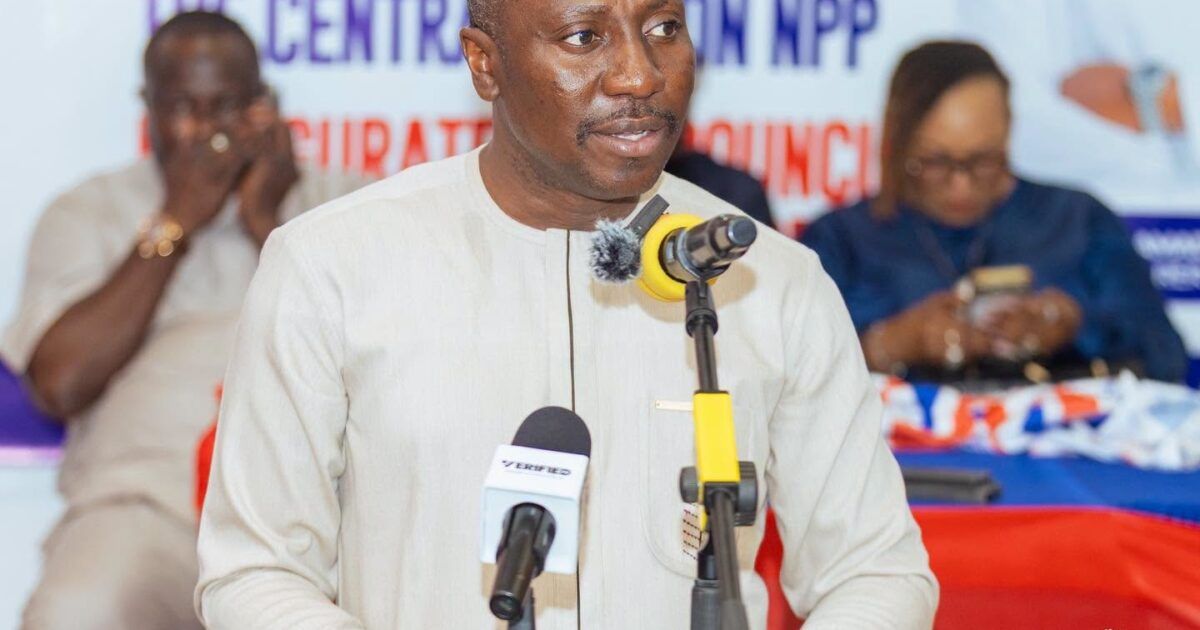
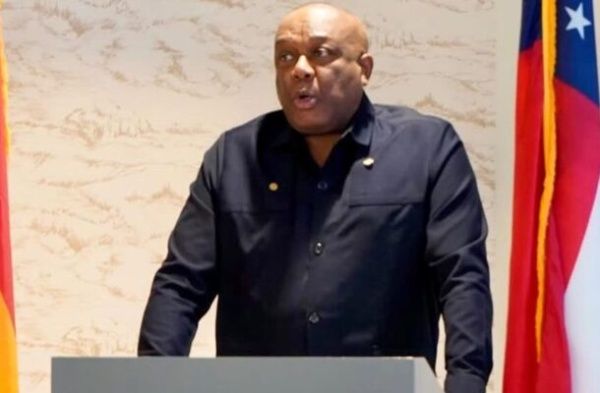
Speaking on Channel One TV’s The Point of View on Monday, November 2, Mr Smith said African children in American schools were sometimes taunted for speaking differently and not having the same accents as their American‑born peers. “This kind of bullying is no news at all. Personally, I’ve experienced it, my son. They do that. I don’t know why they do it. But the most painful part is that usually it’s black people doing it to black people,” he said.
Smith explained that his son was expected to adopt American slang and speech patterns from his first day at school, a demand that left him feeling isolated. “They wanted him to speak with American slang on day one. And they make you feel just like unwanted. They make the kids feel lonely,” he added.
The ambassador noted that the experience had made him aware of the possible psychological effects of repeated harassment on young people. He commented on reports that Javits had become withdrawn, saying, “From what the father is saying, he’s very quiet at home. He doesn’t like to go anywhere. Of course, because of the harassment, people are unfriendly.”
Smith also described incidents in which students were physically attacked at school without provocation. He argued that bullying among young people of colour could not always be explained by racial prejudice alone, pointing instead to upbringing. “For racism, people might think that it was the white boys who dealt with the black boys that way. But in recent times, they’re people of colour. So then it’s not to do too much with racism. But in my personal view, it’s to do with people’s upbringing,” he said.
Javits was fatally shot by unidentified assailants at about 9:20 a.m. on Thursday, October 29, in the Bronx, New York, while on his way to school. The incident has reignited discussions about school safety and the treatment of minority students in the United States.
As the conversation continues, Ghana’s diplomatic community and U.S. educators may look to this case to explore ways to foster inclusive environments for all students, regardless of accent or background. The ambassador’s testimony underscores the need for schools to address bullying proactively and to support students who face cultural and linguistic differences.