Ghana is stepping up efforts to increase value‑added exports to the United States as it seeks to strengthen its trade position against the possible loss of preferential access under the African Growth and Opportunity Act (AGOA). The strategy follows the extension of AGOA through 2028, which gives Ghana and other eligible African countries continued preferential access to the US market.
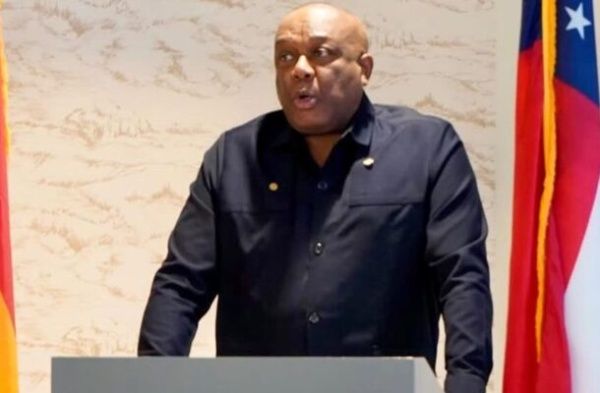
Ghana’s Ambassador to the United States, Victor Emmanuel Smith, said adding value to products such as cocoa, pineapple, shea butter and gold will help build a more resilient export sector, create jobs and reduce the country’s exposure to changes in US trade policy. Speaking on Channel One TV’s The Point of View with Bernard Avle, he said the government was encouraging local processing of raw materials rather than relying heavily on exporting them in their unprocessed form.
“The good thing is that the President is also asking for us to add value to the raw materials people used to export, pineapple and cocoa beans and shea butter and all those things to America. He’s asking us to add value. That for us is the best way to go,” he said.
Mr Smith argued that developing local processing industries would create employment opportunities for young people while strengthening Ghana’s ability to withstand changes in preferential trade arrangements. “If we add value to gold, if you are going to be refining gold, as we are asking everybody to do eventually, when AGOA becomes defunct at any point in time and if we have managed to create industry and create jobs, adding value to some of these raw materials, I think we will be safe as a country,” he stated.
He cautioned, however, that the loss of AGOA benefits could have significant implications for Ghana’s export earnings and government revenue if local industries are not sufficiently developed. “If AGOA goes off now, it might hurt us in terms of revenue and all that, export values and what have you,” he observed.
Mr Smith stressed that Ghana’s preparations should extend beyond the textile industry, which has benefited from preferential access to the US market, to other sectors with strong potential for local processing and value addition. He also called for stronger strategic partnerships between members of the Ghanaian diaspora and investors to support the development of local processing industries.
Such partnerships, he said, could attract investment into sectors such as gold refining, allowing Ghana to retain more value from its natural resources while creating well‑paying jobs. “My message here going around the country in the last one year since I have been here has been to encourage the sort of strategic partnerships for our brethren in the diaspora, not to sit, just sit here and enjoy their wealth, but to partner with some serious investors who would want to add value to gold and what have you in Ghana,” Mr Smith emphasised.
As Ghana looks to diversify its export base, the focus on value addition could position the country to weather future shifts in US trade policy and secure a steadier revenue stream for the government.