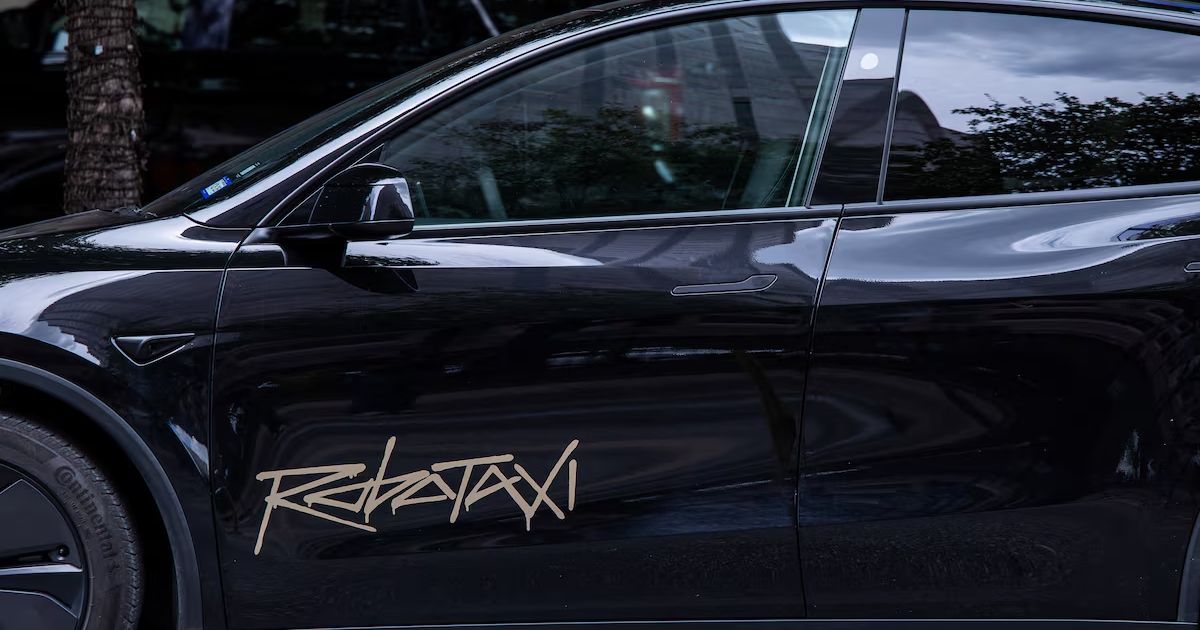
Tesla is aiming to start selling its Cybercab robotaxis to the public by the end of 2026, engineering chief Lars Moravy told analysts after the company released its third‑quarter results. The two‑seater, gold‑painted vehicle, which features butterfly doors and operates without a steering wheel, pedals or mirrors, is part of Elon Musk’s vision to turn the electric‑vehicle maker into an AI and robotics powerhouse.
Moravy said the company would "try to get Cybercabs to customers by the end of this year, 2026," adding that Tesla would begin with a small rollout this year to learn about delivery, ownership and fleet management before scaling up. The Cybercab has already offered paid rides in Austin, Texas, last month, drawing a crowd of fans and influencers.
Shortly after the pilot launch, the National Highway Traffic Safety Administration opened an investigation into the Cybercab to assess how Tesla determined the cars meet federal vehicle‑safety regulations, which traditionally require manual controls. The agency said it was reviewing Tesla’s certification basis and has until October 30 to receive a response. While NHTSA has proposed changes to allow autonomous vehicles without human controls, existing standards remain in force until those changes are finalized.
Tesla’s head of AI, Ashok Elluswamy, said the company is focused on securing all regulatory approvals to deploy Cybercabs as quickly as possible and that scaling the vehicle would not be a major challenge. He added that the Cybercab is one of the easiest products to scale in manufacturing terms.
Elluswamy also noted plans to expand the Cybercab service to Dallas next month, with the vehicle primarily owned and operated by Tesla for its ride‑hailing service, as Musk has indicated.
What to watch next: Tesla will need to navigate the NHTSA probe and any forthcoming regulatory changes before it can roll out the Cybercab nationwide. The company’s progress will be closely monitored by industry analysts and safety regulators alike.