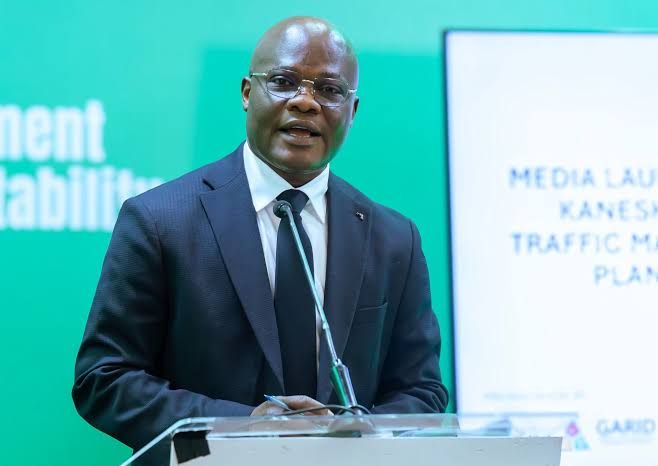
Commissioner‑General of the Ghana Revenue Authority, Anthony Sarpong, warned that West Africa’s annual development financing gap now exceeds $100 billion and urged member states to rely more on domestic resources rather than external borrowing.
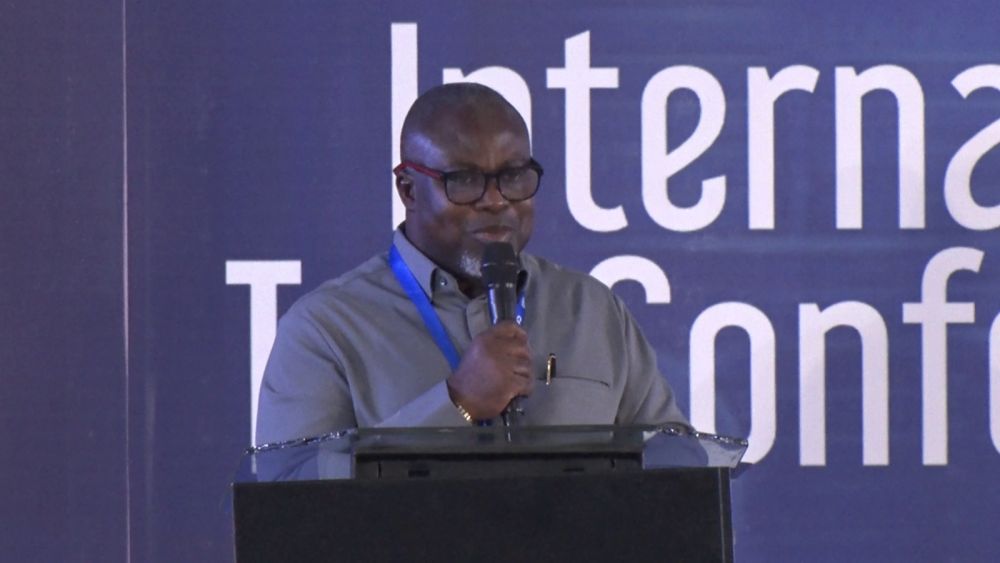
Speaking at the 8th High‑Level Policy Dialogue and 23rd General Assembly of the West Africa Tax Administration Forum in Accra, Mr Sarpong said that a narrower gap would require countries to mobilise their own revenue fairly, efficiently and sustainably.
He noted that West Africa’s average tax‑to‑GDP ratio sits at about 13.5%, below the African average of 16.1% and the roughly 20 % benchmark for the West African Economic and Monetary Union, signalling significant room for growth.
Key reform areas highlighted by Mr Sarpong include broadening tax bases, formalising informal activity, improving natural‑resource revenue management and channeling domestic savings into long‑term investment.
He stressed that tax authorities must evolve beyond mere revenue collection to become engines of economic development, adding that stronger mobilisation would give governments more capacity to fund public services while reducing dependency on external financing.
Balancing compliance with a business‑friendly environment, Mr Sarpong called for greater regional cooperation to tackle cross‑border challenges such as illicit financial flows, transfer pricing and the digital economy.
He urged the adoption of e‑filing, e‑payment, digital invoicing, data analytics and artificial intelligence to modernise tax administration and improve efficiency.
Mr Sarpong concluded that sustainable development financing is a shared responsibility, involving governments, revenue authorities, businesses, policymakers, development partners, researchers, civil society and citizens.