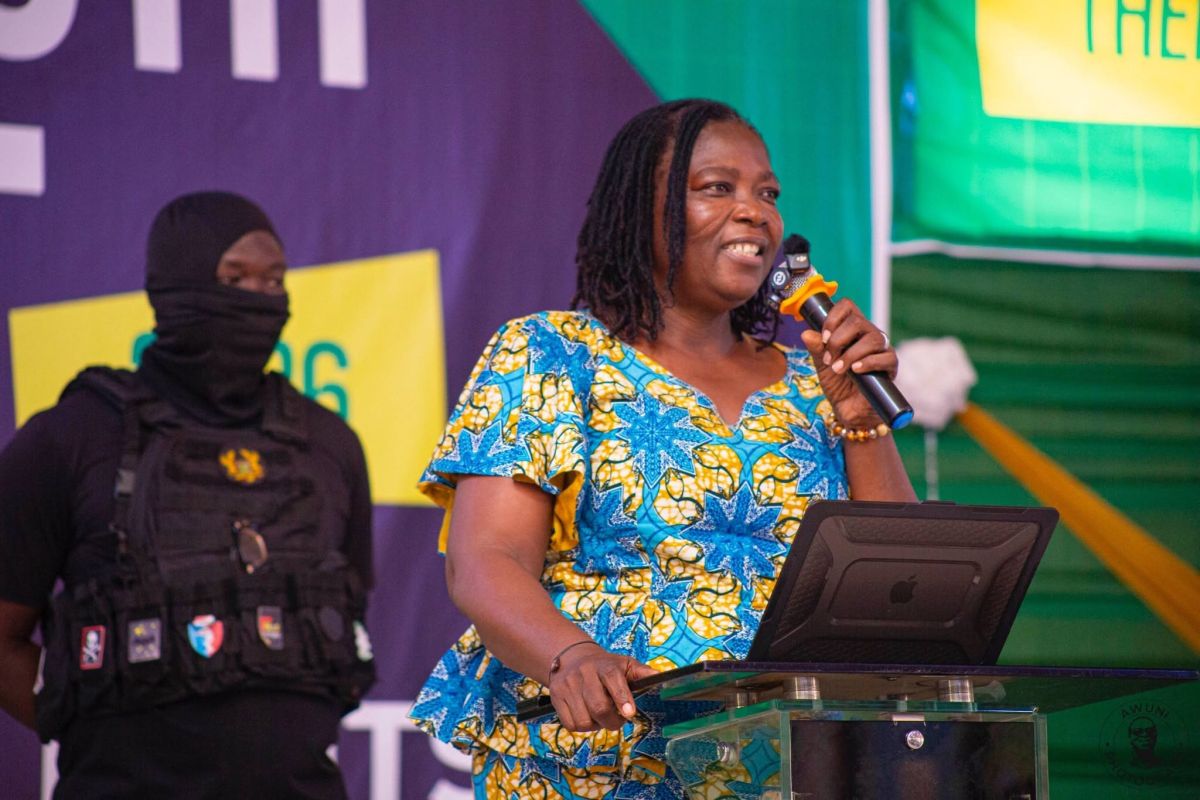
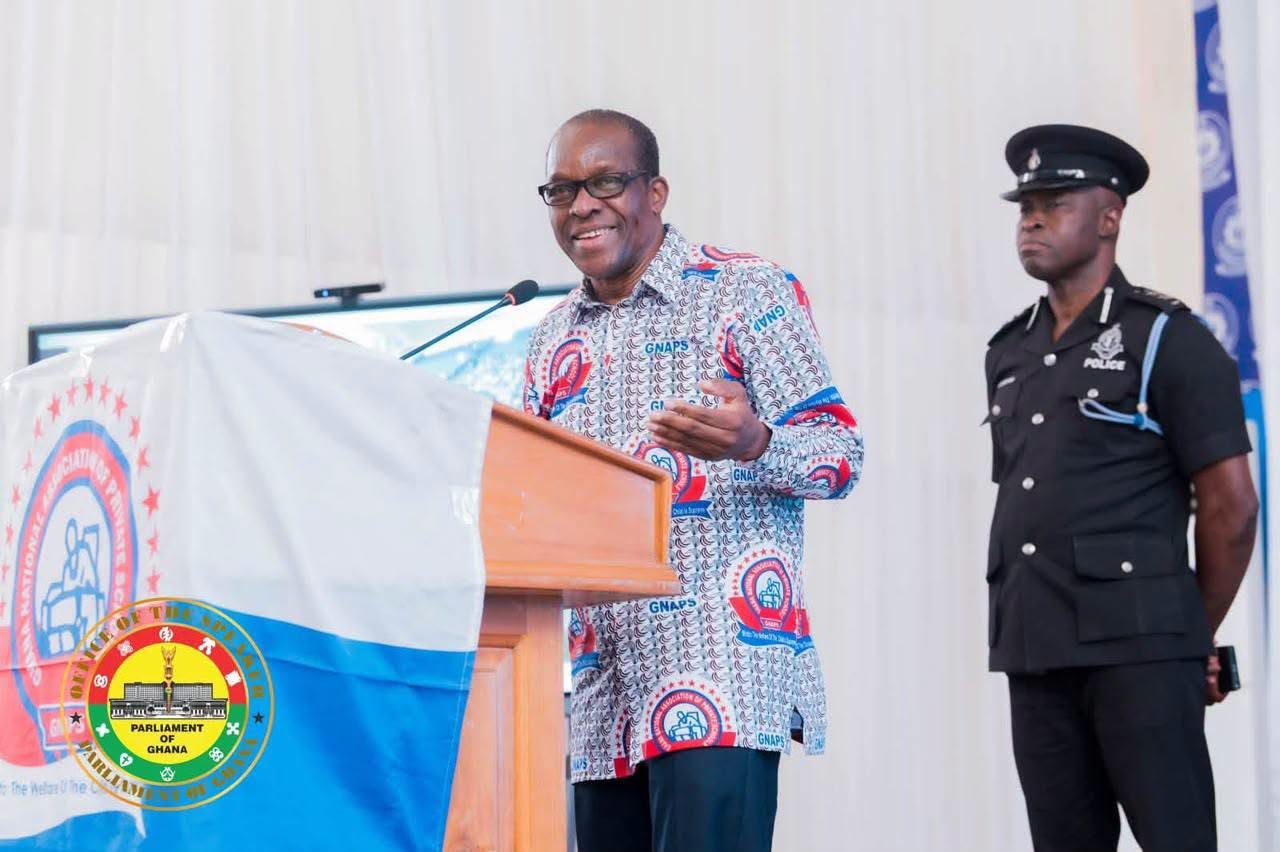
The Speaker of Parliament, Alban Bagbin, has lauded private schools for their resilience and dedication to quality human development, describing them as the foundation stone of education in Ghana.
Bagbin made the commendation at the opening of the 30th Annual General Conference of the Ghana National Association of Private Schools (GNAPS) in Ho last Wednesday. About 417 school proprietors and administrators from across the country attended the two-day event, held under the theme "Revolutionising Education, Transforming Ghana Through Innovation and Technology."
Bagbin said private schools had, over the years, demonstrated their dedication to quality human development in the broader national interest, and that they must be supported by the Ministry of Education, Ghana Education Service, National Teaching Council and other relevant authorities with regulations designed to nurture them further, not destroy them. "Private schools must have a conducive environment to operate in and incentives to grow for the benefit of the child," he said.
Bagbin, who is himself a school proprietor, said private schools had helped in no uncertain terms to expand the frontiers of knowledge through their sacrifices and had helped maintain high standards of education in the country. Touching on the conference theme, he described it as appropriate and timely, saying a revolutionised education system confined to Accra, Tamale, Ho and other urban centres would not be life-transforming unless it reached every part of the country. He commended GNAPS members for their unity of purpose, describing them as a force to reckon with in matters of national development.
The Agbogbomefia of Asogli, Togbe Afede XIV, in a speech read on his behalf, said the evolution of Ghana's education sector could not be written without the labour of private school proprietors, teachers and administrators who overcame considerable odds to build and sustain the sector. He said the tools to educate a child had changed in contemporary society. "Artificial Intelligence, digital learning platforms, mobile connectivity and data-driven school management systems are no longer novelties reserved for wealthier nations; they are fast becoming the baseline expectation of a modern education system anywhere in the world," he said, adding that Ghana could not afford to be a spectator to that transformation.
Togbe Afede clarified that this was not a call to abandon the fundamentals of sound teaching, discipline and character formation that had long been a source of pride for Ghanaian education, but rather a call to marry those fundamentals with the tools of the time, including digital literacy from the earliest years, adaptive learning models suited to the local context, and teacher training that keeps pace with technological change.
The President of GNAPS, Prof Damasus Tuurosong, said a sector that could not ask questions about the assessment of its own pupils had stopped taking its responsibility seriously, and called on the West African Examinations Council to open its windows and doors to greater scrutiny. He pledged GNAPS' commitment to the principle that every child deserves a qualified, licensed and professionally supported teacher, while calling for a licensing and professional development regime that reflects the realities of private schools. "What we continue to ask for is a pathway that recognises the realities of the private school, a licensing and professional development regime that is accessible, affordable, sequenced and available to teachers in Bunkurugu, Fielmuo or Assin Fosu as readily as it is in Accra," he said.