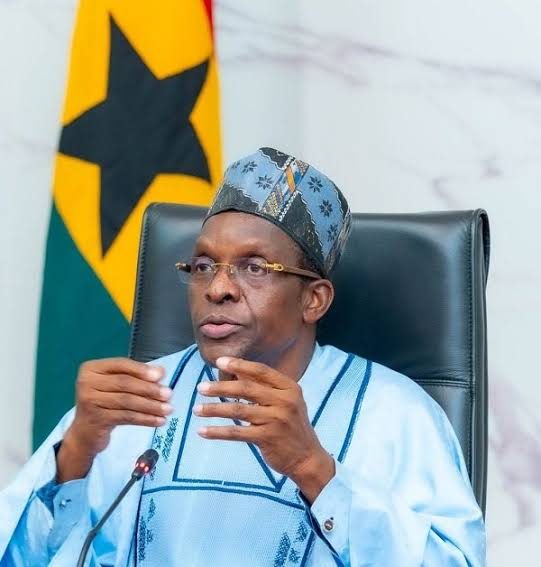
The Speaker of Parliament, Alban Sumana Kingsford Bagbin, has called for stronger and interconnected health regulatory institutions in Africa, capable of collectively addressing emerging challenges, rather than a single continental regulator.
Bagbin said health regulatory agencies needed the capacity to share information and verify practitioners' credentials in order to build a robust health system for the continent, stressing that the goal was interoperability between national regulators, not consolidation into one body.
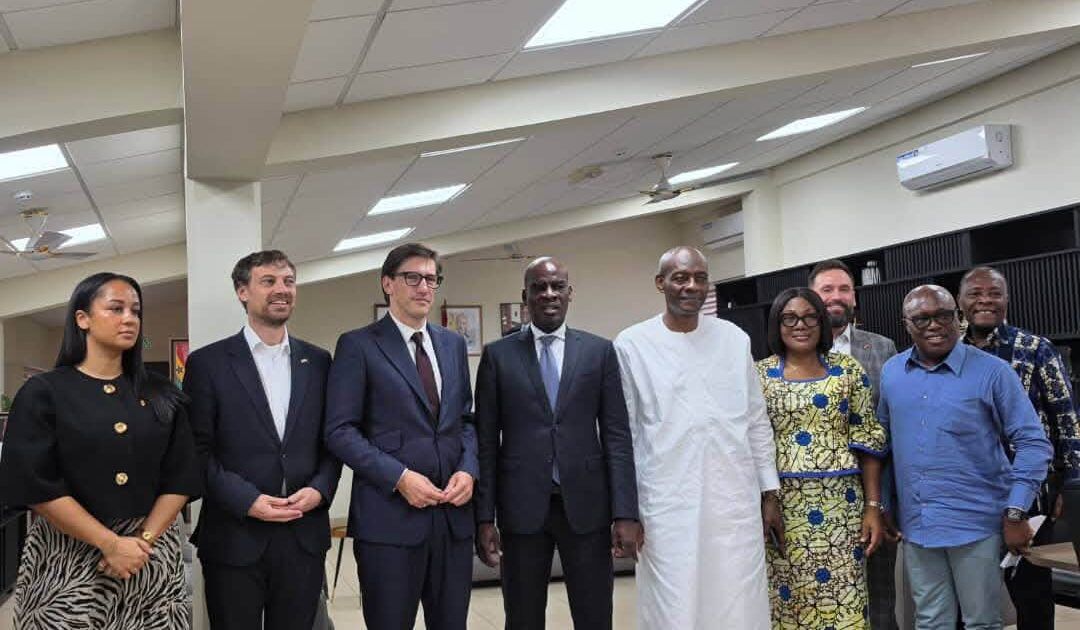
Bagbin, himself a former Minister of Health credited with a major hospitals retooling project, made the call at the closing ceremony of the 28th Annual International Conference of the Association of Medical Councils of Africa (AMCOA), held in Accra on August 26 and hosted by the Medical and Dental Council of Ghana under the theme "Responsive Regulation for Safer Communities Towards Universal Health Coverage." The conference drew regulators, policymakers, educators, health professionals and development partners from across Africa and beyond.
Regulators
Bagbin called on regulators to build systems that were inclusive, fair, transparent and responsive while still upholding professional standards and public protection. "The regulator must be capable of acting with extraordinary speed without abandoning care, safety, ethics and accountability," he said. He cautioned that while technology had made information exchange easier, not everything should flow freely — any sharing needed a sound legal basis and had to respect privacy and data protection requirements — and he called for stronger post-legislation scrutiny to check whether laws establishing regulatory bodies remained fit for purpose.
Office complex
Bagbin also pressed the Minister of Health, Kwabena Mintah Akandoh, to ensure proposed amendments to Part Two of the Health Professions Regulatory Bodies Act, 2013 (Act 857), along with its draft legislative instrument, reached Parliament before the end of the year, saying the changes would strengthen the regulatory councils' performance. He further urged the minister to engage the Finance Ministry to expedite uncapping the councils' Internally Generated Funds, and called for additional funding to be released for Phase Two of the Council's Head Office Complex and Specialist Training Centre to keep the project on schedule. The Speaker said he was prepared to lobby fellow African legislators to ensure critical regulatory institutions were properly resourced.
Commitment
Medical regulatory councils at the conference committed to communicating the role of medical councils more actively, strengthening inclusive regulation and regional harmonisation, building regulatory science, leadership and data infrastructure, and sharpening crisis-responsive regulatory readiness, particularly for fragile and humanitarian settings. They also called on regional and continental bodies, including the African Union, to back harmonised regulatory standards and shared data systems while respecting individual countries' sovereignty.
Practical changes
The President of AMCOA, Professor Joel Okullo, said the commitments made at the conference could not remain aspirational and had to translate into practical changes once delegates returned home. He urged stronger regulatory bodies to help weaker institutions build capacity, noting some regulators remained severely under-resourced — a few reportedly running with only one or two staff, and regulatory institutions entirely absent in some countries. The Chairman of the Medical and Dental Council of Ghana, Prof. Agyeman Badu Akosa, urged delegates to sustain the spirit of collaboration beyond the conference, saying patient safety had no borders and regulatory cooperation should extend across national boundaries accordingly.