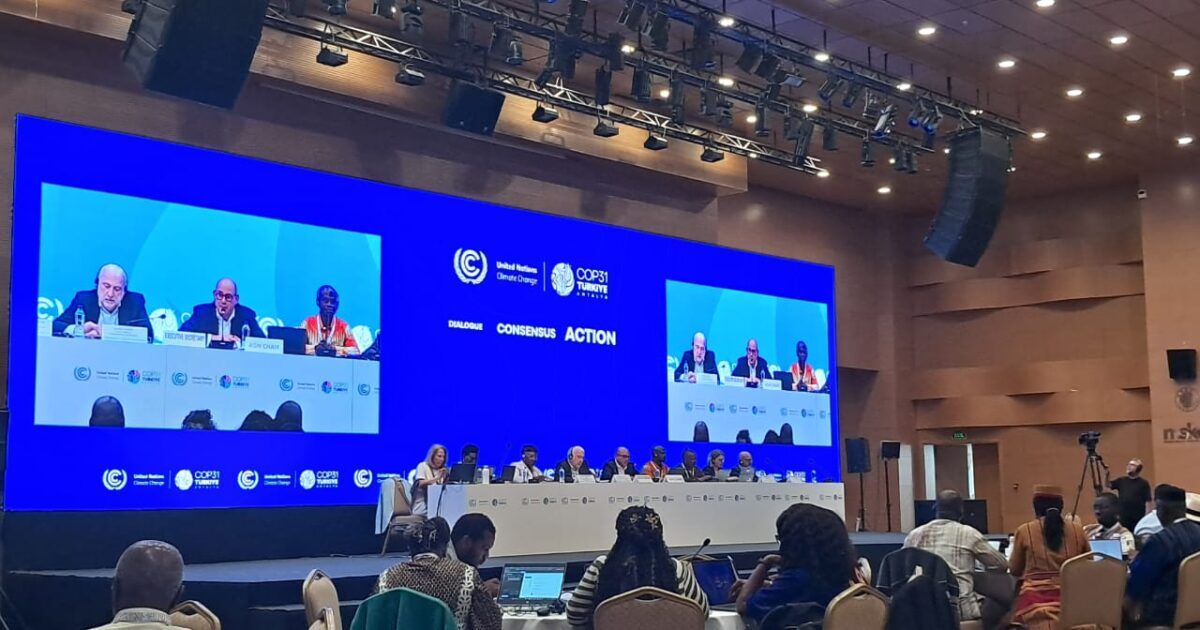
The African Group of Negotiators on Climate Change (AGN) opened the 31st UN Climate Summit (COP31) in Antalya, Türkiye, demanding that climate finance shift from debt to grants and that sovereign debt be relieved for low‑ and middle‑income nations. Executive Secretary of the UNFCCC, Simon Stiell, urged the summit to move from pledges to concrete action, laying groundwork for the second Global Stocktake and aiming to triple global climate finance.
AGN Chair Nana Dr Antwi‑Boasiako Amoah highlighted that more than two‑thirds of low‑income African countries are already unable to meet sovereign debt obligations or face high risk of debt distress. With roughly two‑thirds of climate finance from the Global North coming in the form of loans, the continent’s most climate‑vulnerable states spend an average of nearly two‑thirds of their annual revenues servicing debt—about 25 times more than on climate action. Borrowing costs averaging 13 per cent make debt service the primary barrier to clean energy transitions and climate adaptation.
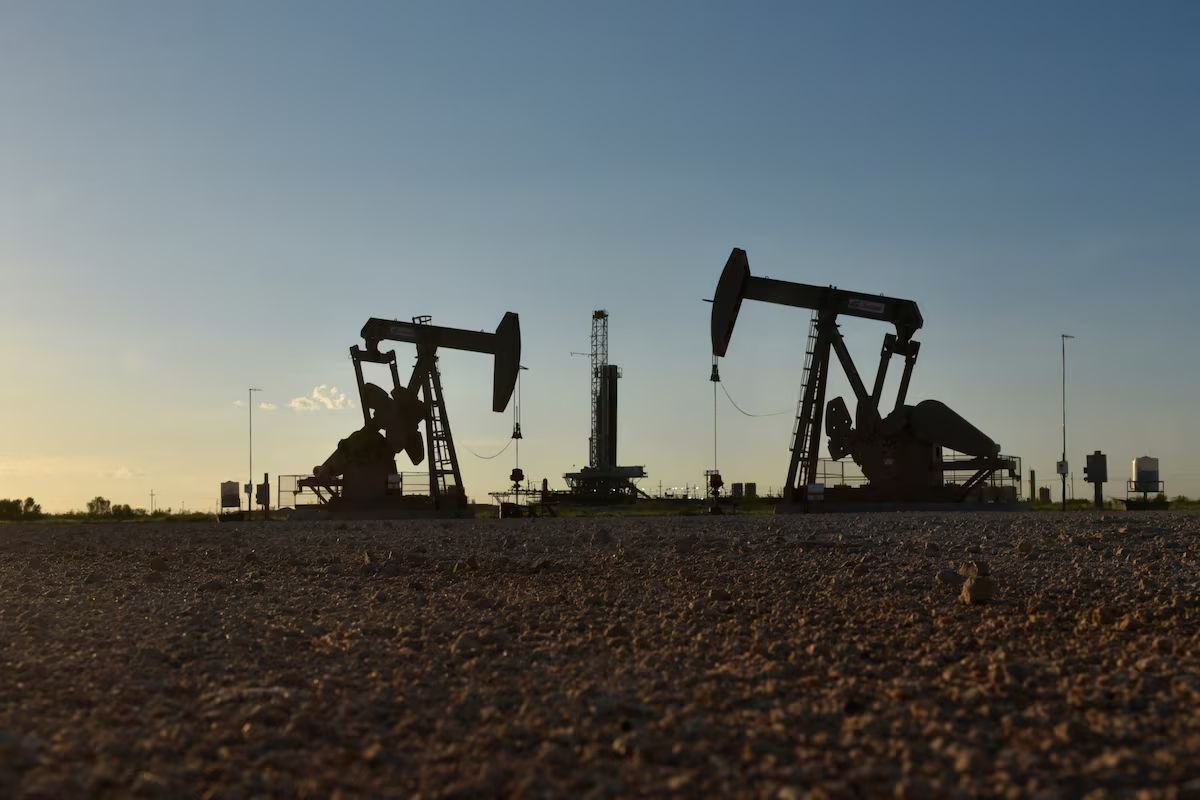
Country examples underscore the dilemma: Nigeria’s fossil‑fuel exports, which accounted for almost 90 per cent of its export value in 2024, are hampered by debt burdens that discourage investment in renewable energy, even as global petroleum prices rise. African populations will not accept diplomatic agreements that require sacrificing basic services—healthcare, schools, roads—to address a climate crisis to which Africa contributed minimally.
Sub‑Saharan Africa holds the world’s largest concentration of renewable energy targets, yet up to 90 per cent of that ambition depends on unsecured international finance. AGN’s agenda centres on predictable, substantial climate capital, a decisive shift to grant‑based finance, and channeling funds through African institutions for rapid deployment.
As Ethiopia prepares to host COP32, African negotiators signal that sovereign debt relief and non‑debt climate finance will remain the litmus test of international climate justice. The outcome at COP31 will shape whether Africa can industrialise, create decent jobs, and extend electricity access to millions currently without power.