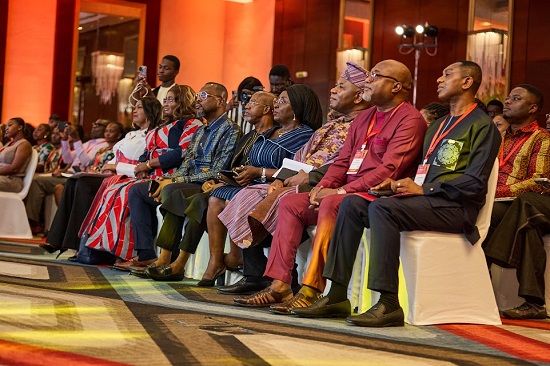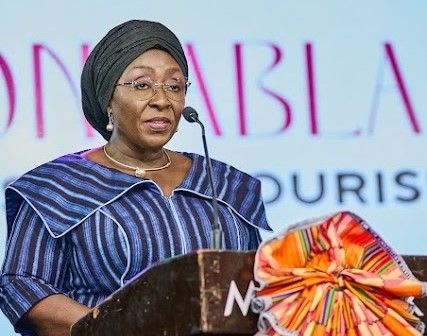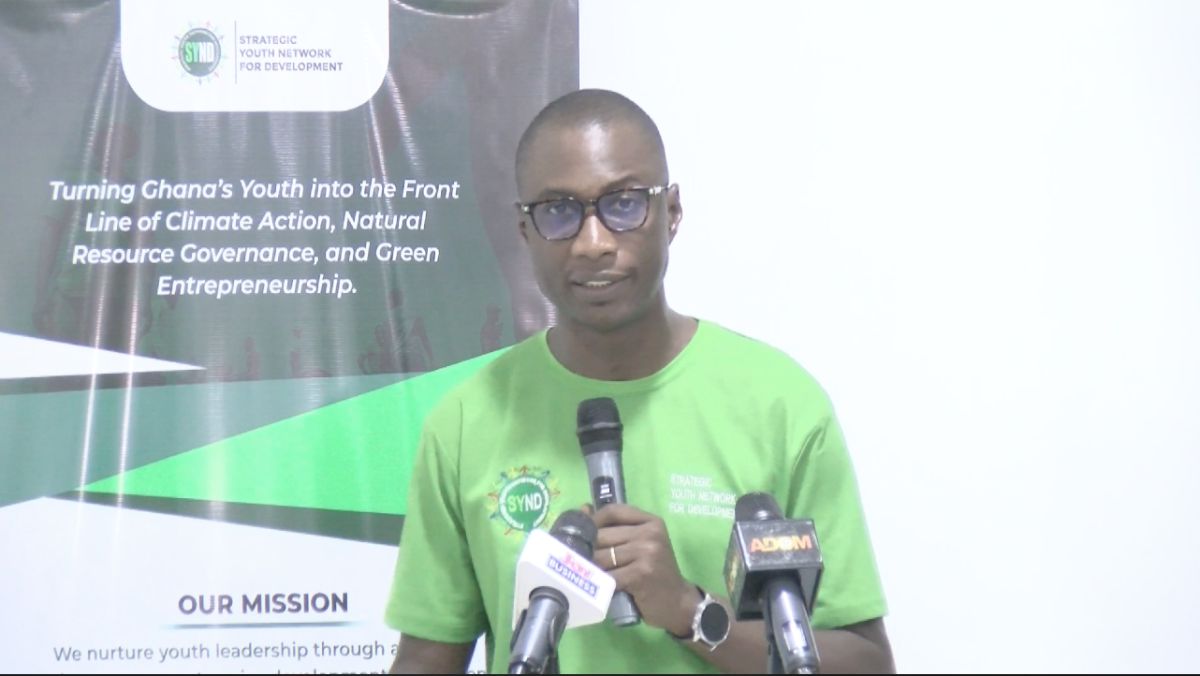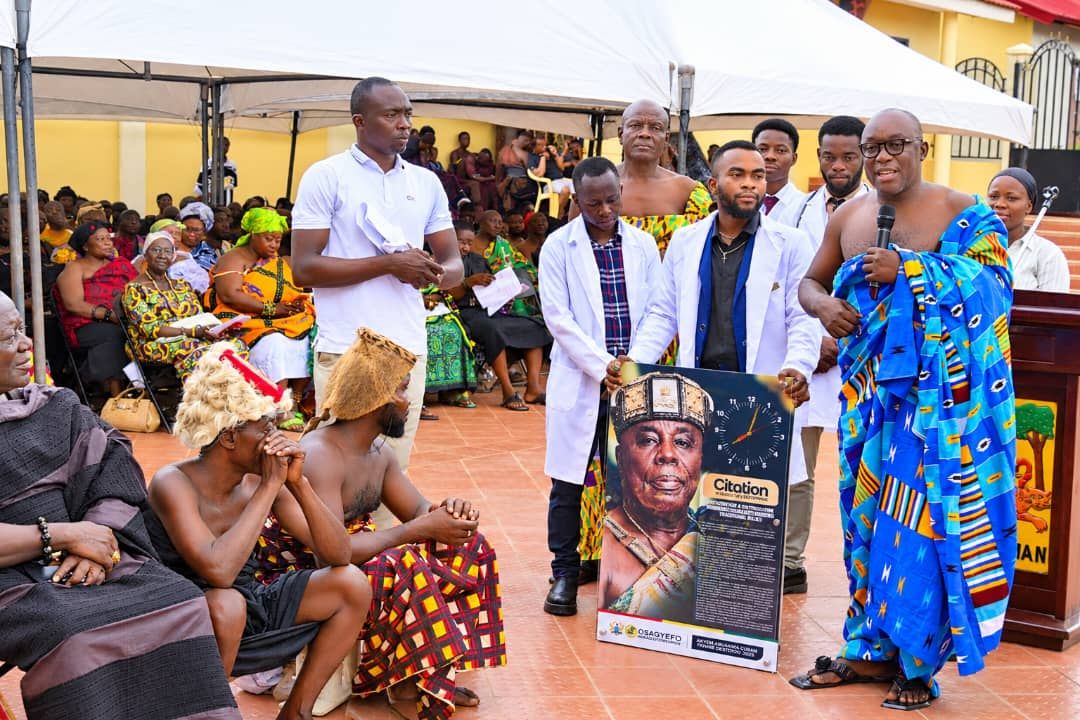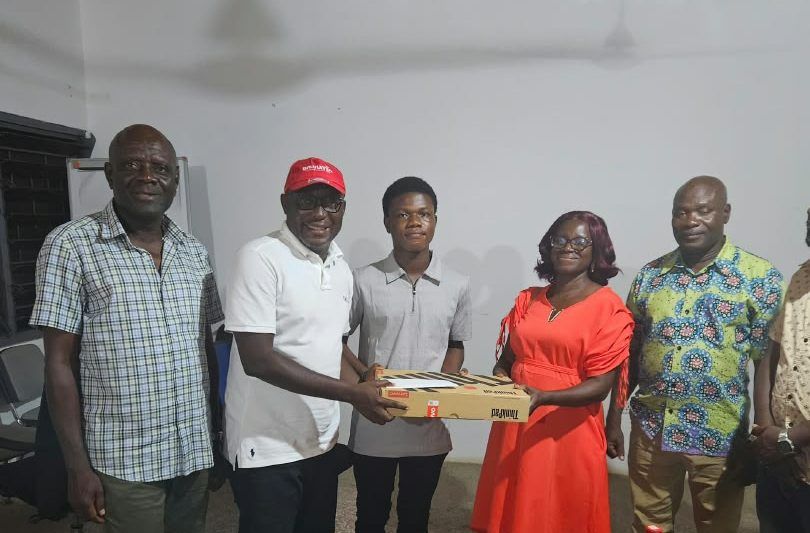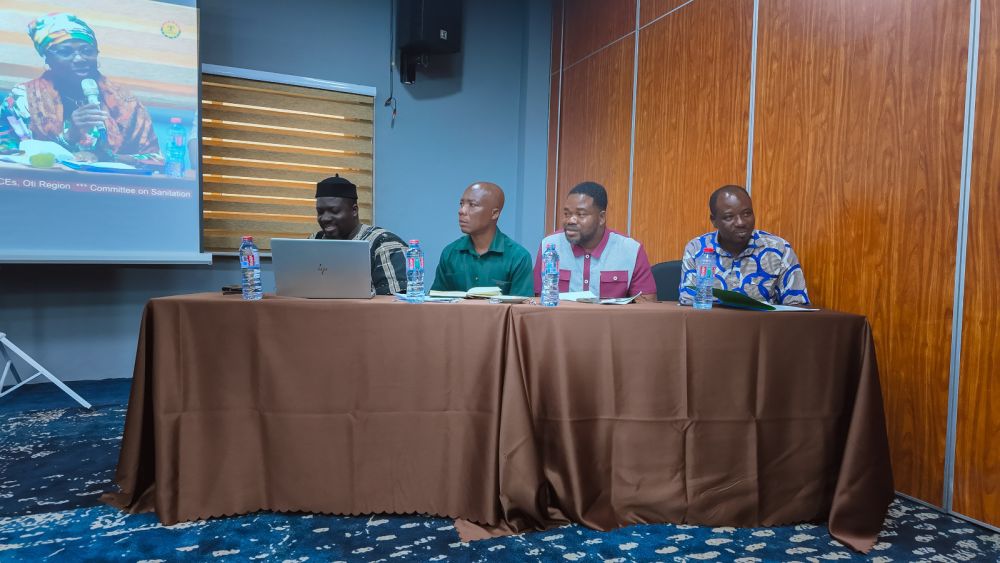
The Parliamentary Select Committee on Sanitation and Water Resources concluded its second‑phase accountability engagement with Metropolitan, Municipal and District Assemblies (MMDAs) in the Volta and Oti Regions, expressing satisfaction with how most assemblies have utilized their 10% District Assemblies Common Fund (DACF) allocations for water and sanitation projects.
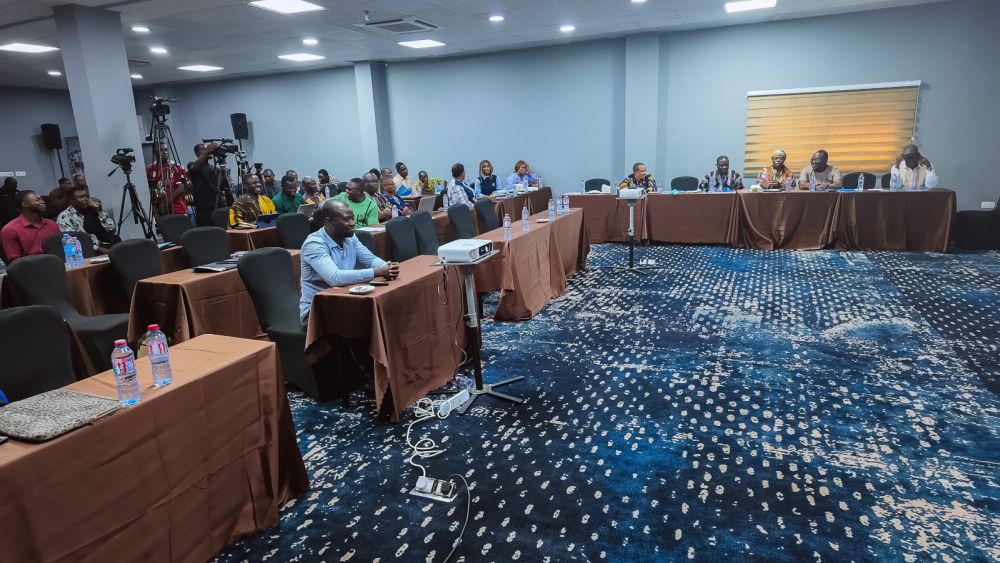
During Friday, September 18, 2026, the Committee met with 18 MMDAs from the Volta Region, followed by presentations from nine districts in the Oti Region on Saturday, September 19. Assemblies reported on their 2025 and 2026 DACF receipts, sanitation interventions, and the challenges they faced in accessing and deploying the funds.
MP Ibrahimah Mohammed Zuwera, a Committee member and representative for Salaga South, said the sessions demonstrated that the 10% allocation has supported a range of practical interventions, including institutional toilets, mechanised and hand‑pump boreholes, desilting, drainage works and other sanitation‑related activities across the two regions. She highlighted that eight of the nine Oti districts performed “stellar” work, commending their quality of work and commitment to addressing sanitation challenges.
Ms. Zuwera noted concerns with the Nkwanta North District presentation and requested a follow‑up in Accra to clarify issues raised. She stressed that the exercise was not merely to verify spending but to ensure public funds were used for their intended purposes and that interventions yielded tangible community benefits.
In the Krachi East Municipal Assembly, Municipal Chief Executive Sarfo Nketia reported using the allocation for desilting, drain construction, dislodgement of sanitation facilities and site clearing. He cited growing population pressures from nearby conflicts and proposed a mini water system to supplement existing borehole interventions.
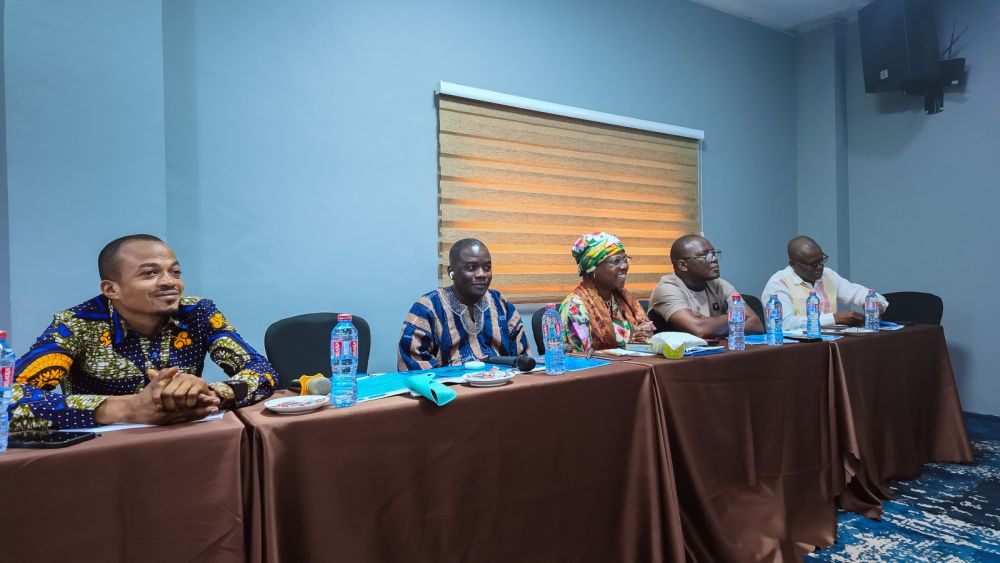
District Chief Executive Dr. Sam Suraj Isaka of Kadjebi District highlighted a collaborative approach involving market women and transport operators to maintain sanitation at key facilities. He reported eight mechanised boreholes, five under construction, repair of 23 boreholes and hand‑pump provision, achieving about 88% water coverage while continuing to tackle littering and behaviour change.
The Committee reiterated its call for a dedicated national sanitation fund, arguing that the positive results from the MMDAs demonstrate the need for more sustainable financing mechanisms to sustain and expand sanitation gains.
Going forward, the Committee will continue to encourage MMDAs to translate public resources into tangible benefits for residents and to maintain transparency in the use of DACF releases.