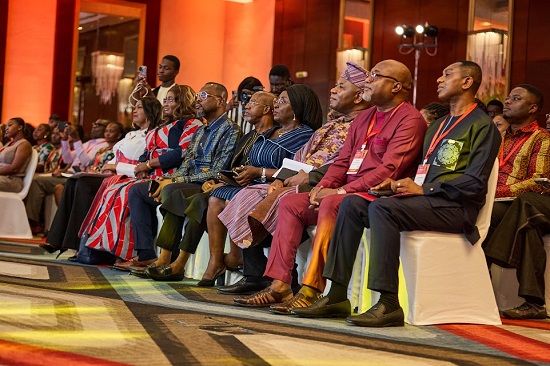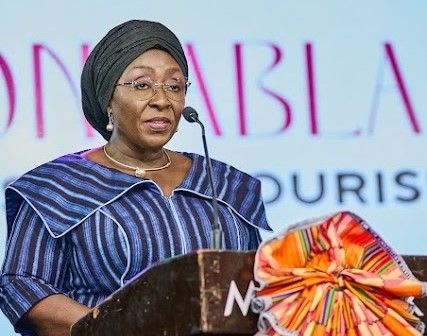
Abla Dzifa Gomashie, Ghana’s Minister of Tourism, Culture and Creative Arts, called on investors to channel more resources into the country’s fashion industry on Wednesday, 4 November, at the Black Star Fashion Summit held at the Mövenpick Ambassador Hotel in Accra.
She said the fashion sector should evolve beyond runway shows to cover the full value chain – textile production, garment manufacturing, tailoring, marketing, retail and international distribution – and that doing so would generate employment, attract investment and strengthen Ghana’s tourism appeal.
Gomashie highlighted Ghana’s rich cultural heritage – Kente, Fugu, Adinkra symbols, traditional weaving, beadwork and embroidery – as a source of inspiration that could fuel global competitiveness. She urged designers, manufacturers, investors, financial institutions, educational bodies and development partners to collaborate to build a commercially successful, culturally authentic and globally competitive industry.
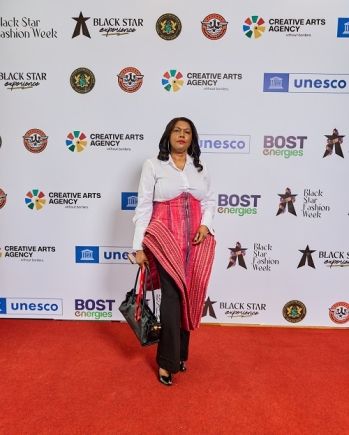
During the summit, fashion educator Joyce Ababio warned of a skills gap in garment production and called for training that extends beyond design to include pattern‑making, quality control and production management. KOD, a Ghanaian designer, urged a more deliberate approach to industry development, stressing the need for specialisation and business skills.
The event also showcased the 16‑Region Designer Programme, which aims to spotlight emerging designers drawing on regional cultural identities, and discussed financing, market access, textile innovation, sustainability, technology and intellectual property.
Gomashie concluded that fashion must be recognised as a strategic pillar of Ghana’s creative economy, capable of creating jobs for youth, stimulating entrepreneurship, attracting investment, increasing exports and enhancing the country’s international cultural influence.