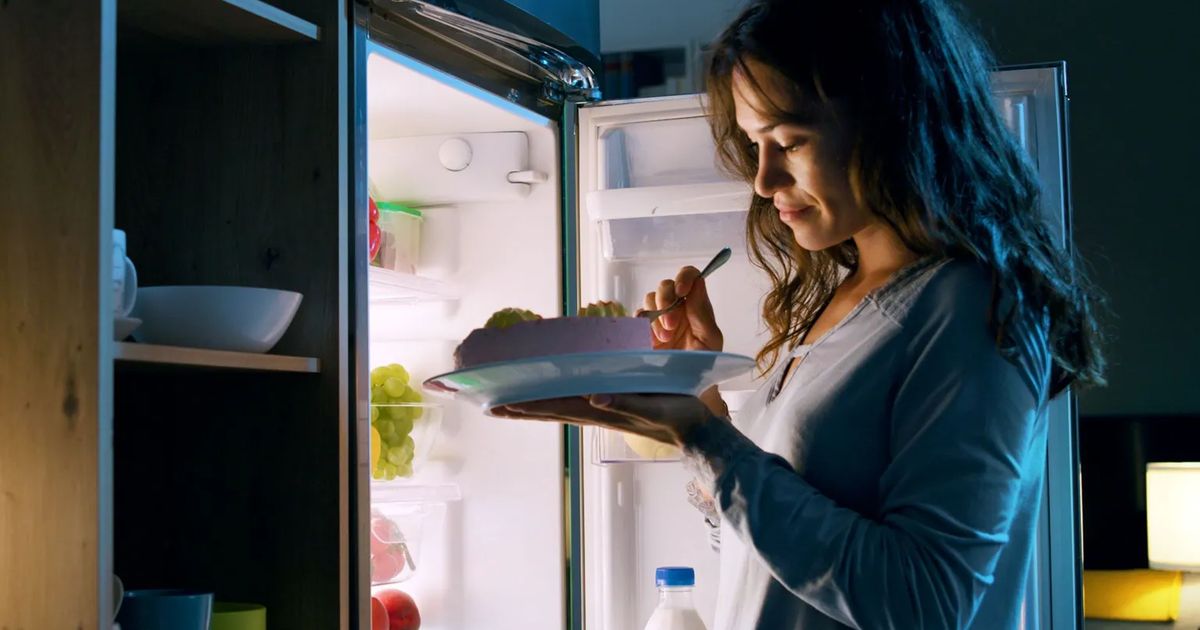
After a satisfying dinner, many of us find ourselves half an hour later rummaging through cupboards for a midnight snack. Studies show that roughly one in three adults, and four in five people aged 18‑24, indulge in late‑evening snacking. Dietitian Dr Kristine Beaulieu warns that eating within two hours of bedtime increases the odds of weight gain and obesity.
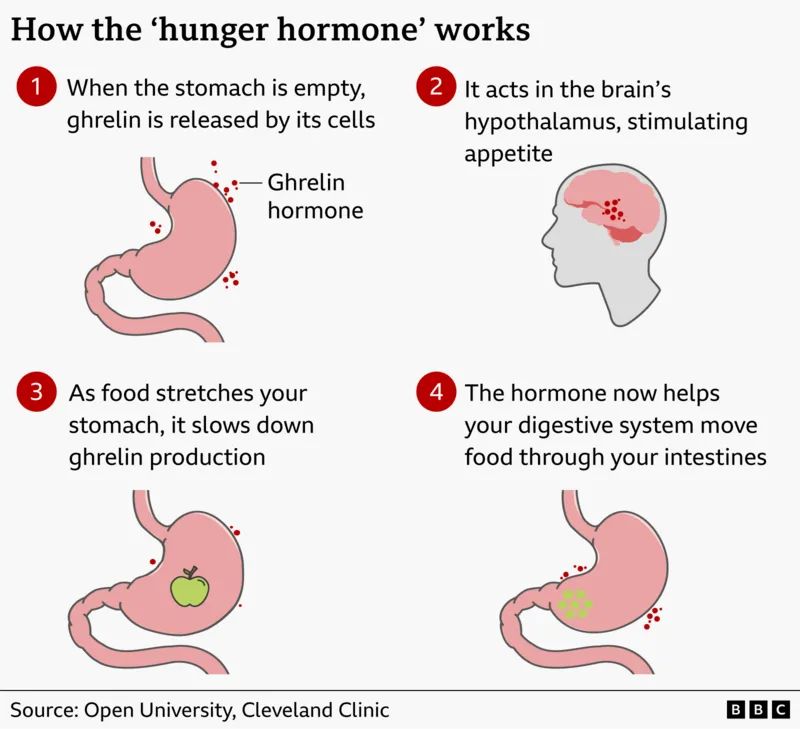
Even though we spend most of the night without food, our appetite naturally peaks in the evening, largely because the hunger hormone ghrelin rises later in the day. Prof James Betts of the University of Bath notes that while meals can suppress ghrelin, this effect mainly occurs after the first meal of the day, not after lunch or dinner.
What we eat matters too. Meals high in protein, fibre and volume keep us fuller longer, whereas a light or nutrient‑poor dinner can trigger a post‑meal “crash” that drives snacking. Betts adds that a lack of a satisfying evening meal can lead to cravings later on.
Habit and environmental cues also play a role. Prof Suzanne Higgs of the University of Birmingham explains that if snacking usually occurs while watching TV, simply turning the TV on can trigger the urge to eat. The brain’s reward system, not just hunger, fuels a stronger desire for high‑fat, high‑sugar foods later in the day, even when we’re already full.
Research on the impact of late‑night snacking on sleep is mixed. Foods high in refined carbohydrates and added sugars may disrupt sleep by causing blood‑sugar swings and altering hormonal signals. However, people who sleep poorly may also be more likely to snack on sugary foods, making cause and effect hard to untangle. Prof Jonathan Johnston of the University of Surrey notes that sleep deprivation increases appetite for energy‑dense foods.
Experts suggest first identifying what drives the snacking habit. Eating while distracted—such as watching TV—can lead to higher intake because attention to how much we eat is reduced. But there’s no need to ban evening snacks entirely. Beaulieu says it’s acceptable to indulge in moderation, provided the healthier option is the default. Removing craved foods from the cupboard and keeping nutritious snacks on hand increases the likelihood of making a healthier choice.
In short, biology and habit combine to make late‑night snacking common. By planning balanced meals, reducing tempting foods at home, and staying mindful of cues, you can curb cravings and protect your weight and sleep.