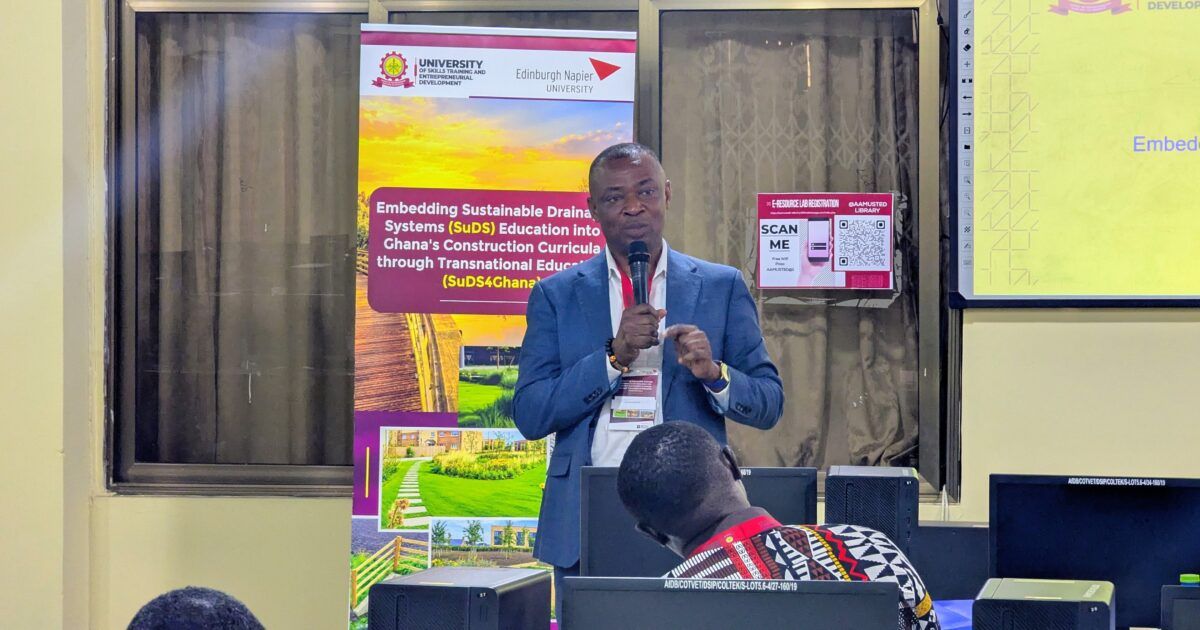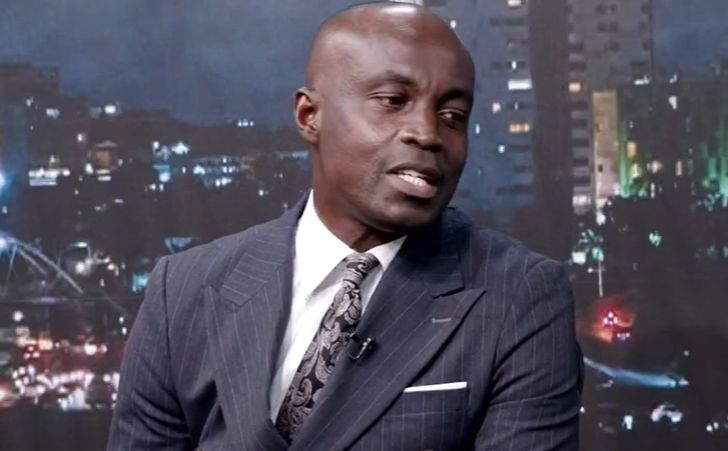
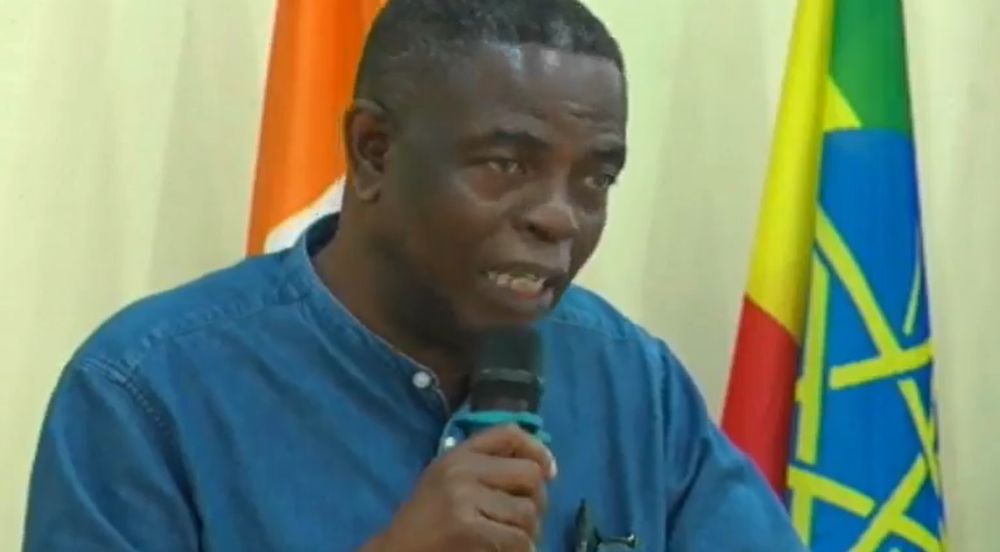
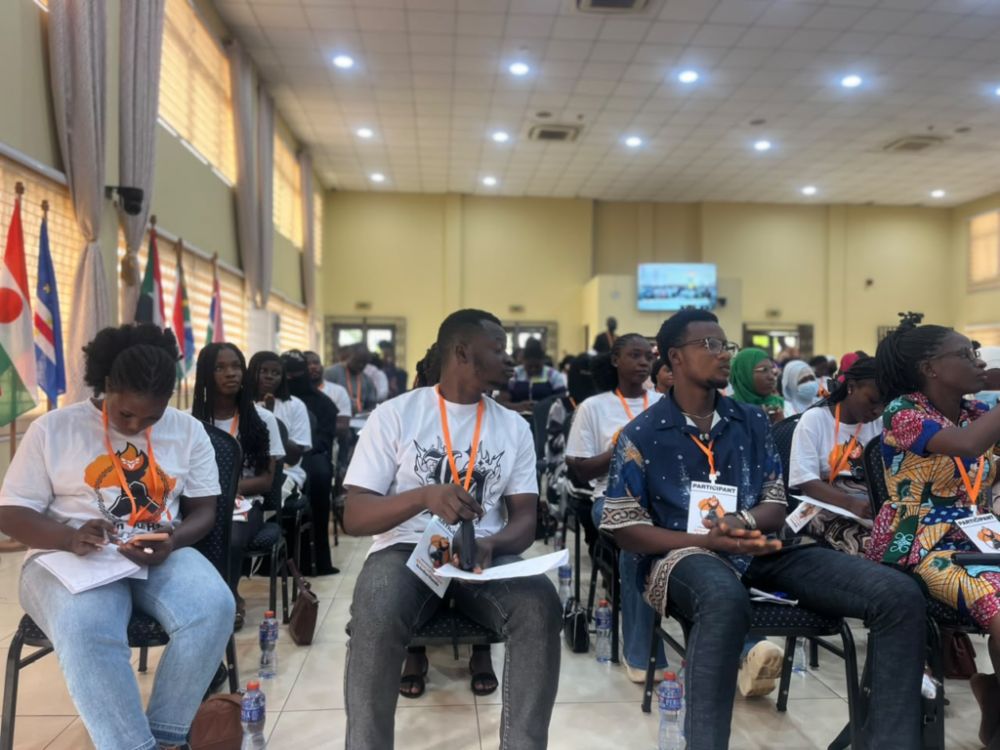
Veteran journalist and political commentator Kwesi Pratt Jnr addressed the Youth Forum on Debt and Reparations at the ISSER Conference Hall of the University of Ghana on Saturday, September 5, urging African youth to reject what he describes as an externally driven “Gen Z revolution” and to unite across generations against neocolonial exploitation.
Pratt highlighted Africa’s recent unity at the United Nations as proof of what can be achieved when Africans speak with one voice. He criticised governments for undermining this momentum by signing defence and intelligence cooperation agreements with the European Union, the United States and Ukraine, arguing such pacts could deepen foreign military involvement on the continent.
The commentator called on African states to prioritise sovereignty, especially in confronting conflicts in Mali, Burkina Faso and Niger, where he alleged external powers are backing insurgent groups. He warned that reliance on the extraction and export of minerals—gold, bauxite, diamonds, lithium—poses a threat to future generations because these resources are non‑renewable.
Pratt also questioned proposals to sell a majority stake in the Volta Aluminium Company (VALCO) to foreign investors to raise about $600 million, noting Ghana’s bauxite reserves are worth billions. He argued that relinquishing control of such a strategic asset could undermine Ghana’s long‑term economic interests and that the continent’s mineral wealth should be used to improve living conditions rather than be exported with limited domestic benefit.
He criticised Ghana’s repeated engagement with the International Monetary Fund, noting the country has reportedly turned to the IMF 18 times and that the Ghanaian cedi has lost about 32,000 percent of its value since 1983. Pratt questioned the effectiveness of institutions such as the IMF, World Bank, WTO and the UN Security Council, claiming they were established when much of Africa was still under colonial rule and do not adequately represent African interests.

Pratt urged young people to build solidarity with workers and other disadvantaged groups, stressing that the struggle is about ending exploitation and oppression, not about age. He called for a reparations campaign that goes beyond financial compensation to restructure international institutions, strengthen African control over natural resources and fundamentally alter the global economic and political order.
What follows is a call for Africans to seize ownership of their resources and reorient infrastructure—railways, roads and ports—to support local processing, industrialisation and African ownership, rather than merely exporting raw materials.