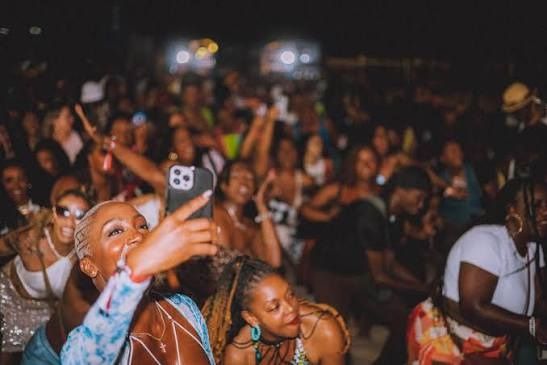
Accra is set to become a giant stage this December as Ghana’s annual Detty December rolls out a calendar packed with concerts, festivals, raves, comedy shows, religious gatherings and celebrity‑hosted parties. Organisers, artistes and promoters are lining up events, while fans are left to decide which nights to attend and how to stretch their wallets.
The month, which has become the entertainment industry’s favourite playground, offers unlimited fun and endless invitations. Yet the sheer volume of events has created a crunch for time, money and energy. With artistes scheduling concerts on the same dates, fans are forced to choose between their favourites, while Accra’s notorious traffic makes attending multiple shows a near‑impossible mission.
Ghana has no universal holiday or vacation calendar that gives everyone a month off to enjoy the festivities. Most people work hard all year, only to find their December savings competing with concert tickets, transport, food, outfits and family obligations. Rising ticket prices and overlapping events make the season even more demanding.
While the diaspora market brings valuable spending power, it does not guarantee attendance at every show. Local fans remain the backbone of the industry and should not be treated as an endless supply of money, time and energy. When everyone fights for the same audience, the industry risks exhausting the very people it depends on.
Artistes are urged to consider their fellow performers, not just their own event budgets. When two artistes with overlapping audiences schedule major concerts on the same night, they may divide demand rather than expand it, resulting in lower attendance, reduced spending per event and disappointed fans who could not support everyone.
Media outlets, especially smaller radio stations, online platforms and entertainment publications, often operate with limited staff and budgets. When several major events happen simultaneously, comprehensive coverage becomes almost impossible, meaning someone—whether a journalist, an audience member or the event itself—misses out.
The solution, experts say, is not to cancel Detty December but to spread the excitement throughout the year. A more balanced annual event calendar could see major concerts spread across the other eleven months: lovers’ concerts in February, music festivals in April, live bands and cultural music in June, outdoor entertainment in August, and album concerts or intimate fan experiences in September and October.
Industry stakeholders—including artistes, managers, promoters, venue operators, tourism authorities and media organisations—should collaborate on an annual event calendar. Such coordination would help identify scheduling clashes, improve publicity, support ticket sales and give audiences more opportunities to attend.
Promoters are also encouraged to explore partnerships and shared programming where appropriate, particularly when events can complement rather than compete with one another. Artistes should remember that finishing the year successfully does not require staging a personal concert; releasing a great song, rewarding loyal fans, supporting a charitable cause or hosting a smaller appreciation event can be equally meaningful.
Improving the concert experience itself—reasonable ticket prices, reliable start times, clear communication and genuine value for money—will help fans avoid the dilemma of choosing between competing concerts only to arrive at their preferred event and wait hours for the headliner.
A healthier event calendar could encourage fans to attend more shows throughout the year, help promoters build sustainable brands and give artistes more opportunities to connect with their audiences. December should remain a celebration, not an examination of financial discipline, time management and emotional compromise.