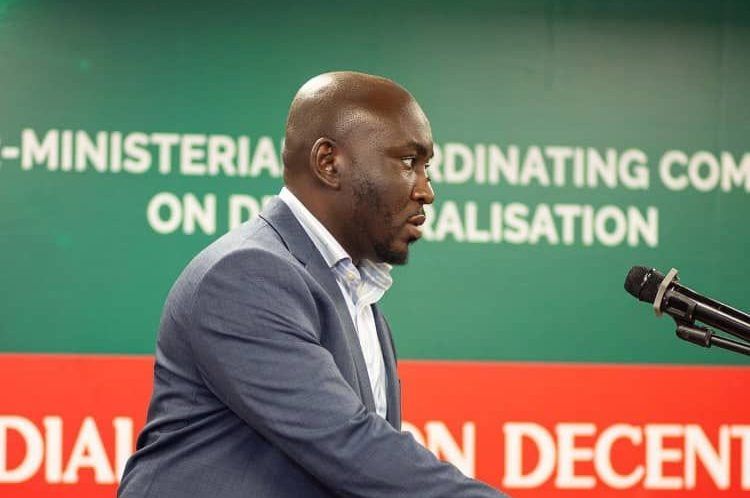
Julius Kwame Anthony, a rising star in the NDC’s communication team, has drawn criticism after referencing a WikiLeaks report in a recent campaign message. The move has reignited debate over the standards applied to political messaging in Ghana.
During the NPP’s eight‑year rule, the party’s communications strategy often relied on unverified allegations against former President John Dramani Mahama. A notorious example was the so‑called “Papa No” narrative, which linked Mahama to women who had only taken photos with him during public engagements and even accused him of impregnating several women. These claims were amplified repeatedly by party communicators and political actors, yet they were rarely subjected to rigorous fact‑checking.
In contrast, Anthony has begun to use publicly available documents and historical references to challenge such narratives. His recent tweet, which cited a WikiLeaks document, was intended to demonstrate that Mahama’s alleged misconduct was unfounded. However, the move was met with swift backlash from NPP supporters who argued that the source was unreliable and that Anthony’s age made his critique illegitimate.
Critics question whether the same standards that allowed the “Papa No” narrative to circulate unchallenged should apply to Anthony’s use of a controversial source. They argue that a young NDC communicator should not be allowed to scrutinise an older political figure, especially when the source is as contentious as WikiLeaks.
Proponents of Anthony’s approach counter that responsible political communication demands consistency. If a source is deemed credible when used to support one narrative, it should not automatically become unacceptable when cited by an opponent. They assert that age or party affiliation should not shield anyone from scrutiny, nor should it grant anyone unchecked influence.
The debate underscores a broader issue in Ghanaian politics: the double standard that often governs the acceptance of evidence. While NPP communicators were celebrated for their ability to dominate the political conversation, NDC communicators like Anthony face harsher criticism for challenging the status quo.
Going forward, the NDC’s emerging generation of communicators may redefine the party’s messaging style, but they will also need to navigate the same scrutiny that has historically plagued political discourse in Ghana. The outcome of this clash may signal whether Ghanaian politics can move toward a more accountable and fact‑based communication culture.