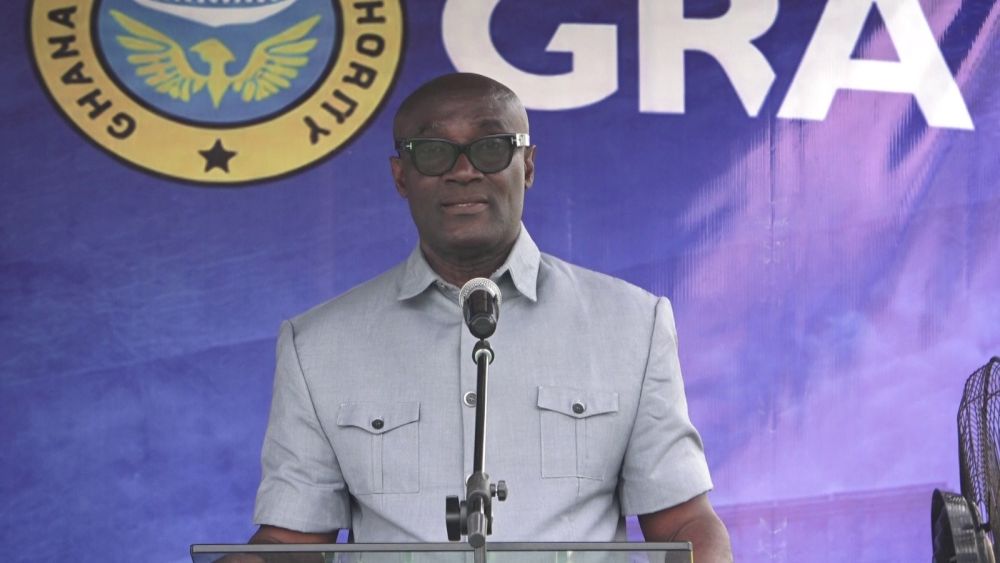

The Ghana Revenue Authority (GRA) announced today that it will deploy its Integrated Tax Administration System (ITAS) to consolidate key elements of the country’s tax administration onto one digital platform. The move is aimed at improving taxpayer services, strengthening compliance and enabling more effective use of data.
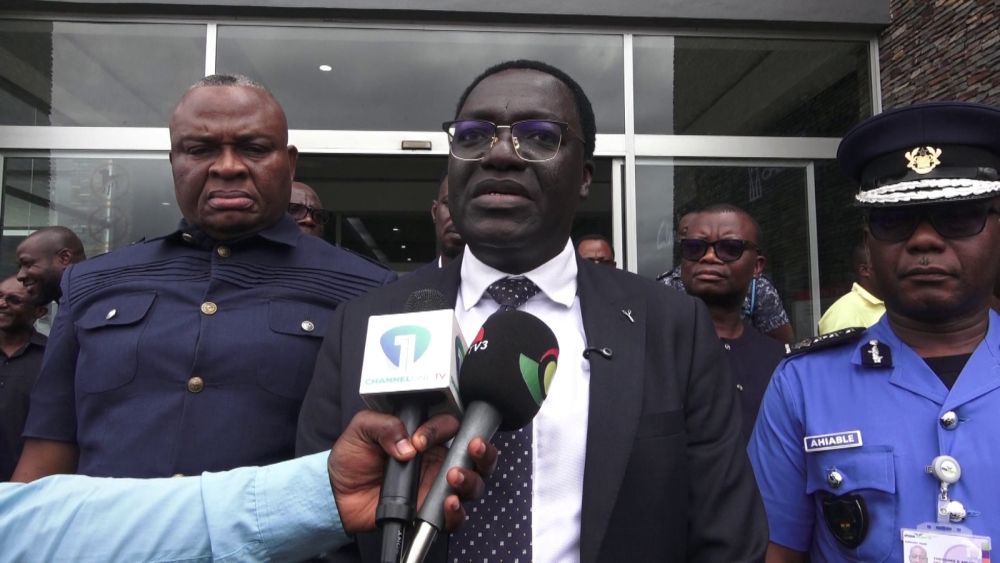
During the latest instalment of the UK‑Ghana Chamber of Commerce (UKGCC) and PwC Ghana’s Quarterly Tax Dialogue Series on “Navigating GRA’s Digital Tax Systems”, Commissioner of the Domestic Tax Revenue Division, Dr. Martin Kolbil Yamborigya, explained that ITAS is a unified platform for the full tax cycle. It will replace the separate legacy system with a single integrated tax administration system in line with international standards.
ITAS will standardise processes across GRA offices, covering registration, filing, payment and taxpayer accounting, as well as compliance and risk management, audits, objections and appeals, exemptions, refund processing, debt management and investigations. Key benefits for taxpayers include self‑service account activation, digital submission of applications and enquiries, automated workflows, online tracking of requests, fewer manual delays, risk‑based audits and the ability to authorise staff or tax consultants to act on behalf of businesses.
To strengthen tax administration, ITAS will be linked to several national databases and platforms, including the Integrated Customs Management System (ICUMS), the Office of the Registrar of Companies, the Social Security and National Insurance Trust (SSNIT), the Bank of Ghana, Ghana.gov, the Lands Commission and the National Identification Authority.
Dr. Yamborigya urged businesses and taxpayers to embrace the system, noting that GRA’s goal is to reduce paperwork and automate processes to improve service delivery. Some ITAS capabilities are already operational, while additional features, including greater automation and pre‑population of taxpayer information, will be progressively rolled out as implementation advances.
Beyond ITAS, the GRA outlined other digital initiatives to improve compliance and broaden the tax net. The electronic invoicing (e‑invoicing) system will digitise the issuance and validation of invoices, debit notes and credit notes between suppliers and customers, authenticating invoices in real time and allowing GRA to validate transactions almost instantly. Dr. Yamborigya explained that e‑invoicing is intended to eliminate invoice forgery, reduce false input VAT claims, lower audit costs and improve compliance data for risk profiling.
The Sentinel project, a digital tax collection and monitoring system introduced by the Ministry of Finance, seeks to improve taxation of digital transactions. It will enhance digital tax transparency, improve VAT and levy collection and streamline cross‑border digital transactions, with VAT disclosed and collected at the point of payment through participating payment platforms. Sentinel is a payment deduction platform and does not replace other responsibilities, and affected taxpayers will still be required to register where necessary and file tax returns.
The Authority also highlighted the Modified Taxation Scheme for informal sector taxpayers whose annual turnover falls below the prescribed threshold, now increased to GH¢750,000. The scheme comprises three categories – presumptive tax based on instalment for businesses with turnover below GH¢20,000; presumptive tax based on turnover where taxpayers pay a flat three per cent of turnover and are not required to register for VAT; and modified cash basis which allows qualifying taxpayers who keep records to be taxed using simplified accounting principles. An accompanying mobile application allows taxpayers to register using their Ghana Card details and estimated turnover, after which the system automatically computes the applicable tax liability.
Addressing a common concern among businesses, Dr. Yamborigya explained the principles behind VAT refunds and the conditions required for a successful claim. VAT is designed to be a tax on the final consumer, not on business input, and the refund mechanism protects VAT neutrality, supports exporters and businesses with persistent input credits, improves cash flow and strengthens confidence in the tax system. However, not every VAT credit is automatically refundable and a refund request must meet certain conditions before a refund can be applied.
Taxpayers who qualify for VAT refunds include businesses generating excess input VAT, exporters with significant input VAT, businesses making zero‑rated supplies, enterprises undertaking substantial capital expenditure and taxpayers with genuine VAT overpayments. Exporters qualify where exports account for at least 25 per cent of taxable supplies and appropriate documentation can be verified. For faster processing, Dr. Yamborigya encouraged readiness by ensuring all VAT returns are filed, invoices and customs evidence are available, transactions are traceable, exports are supported by proper documentation and outstanding liabilities are reconciled before submission. “The stronger the evidence chain, the easier the verification for you,” he advised, urging taxpayers to ask not only for assistance but also to prepare their records thoroughly.
As GRA rolls out ITAS and other digital tools, businesses and taxpayers can expect a more streamlined, data‑driven tax environment that reduces paperwork, speeds up processing and enhances compliance across the board.