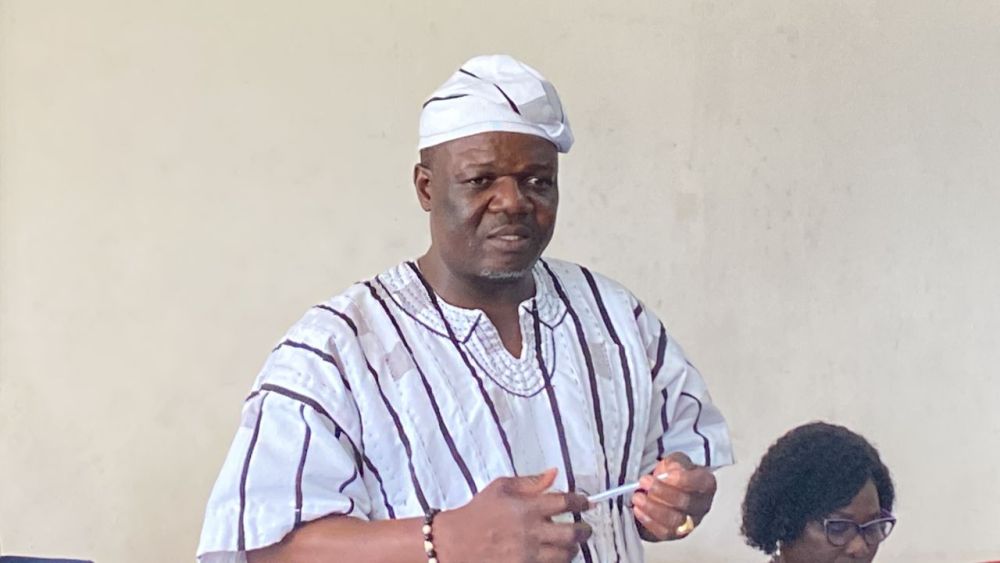
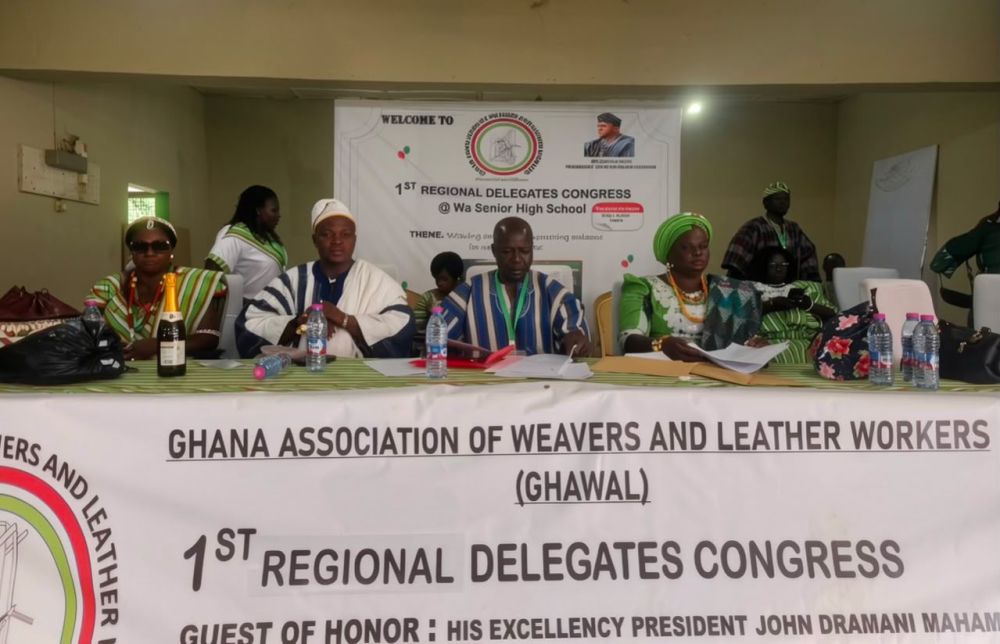
The Industrial and Commercial Workers’ Union (ICU‑Ghana) has called for fresh investment to upgrade Ghana’s textile and garment sector, aiming to boost production capacity, product quality, branding and access to finance. The plea came during the first national conference of the Ghana Association of Weavers and Leather Workers (GHAWAL) in Wa, themed “Weaving for Future: Empowering Artisans for National Growth.”
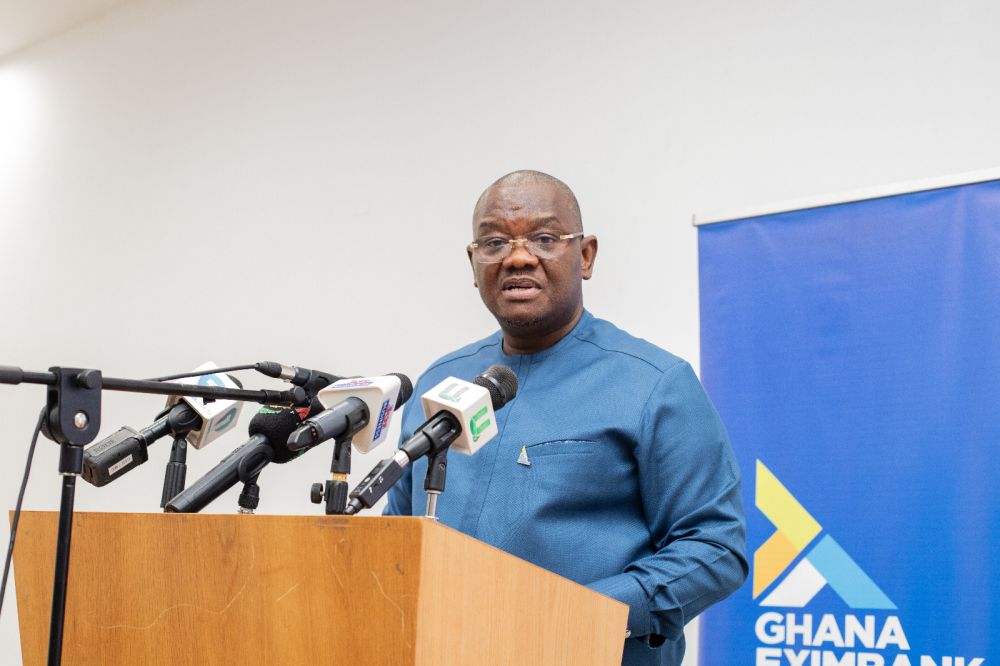
General Secretary Morgan Ayawine’s address was delivered by Deputy General Secretary Samuel Ananga, who urged the association to project itself strategically to attract investment and government support for the formalisation, modernisation and expansion of smock weaving and related clothing industries. Ayawine highlighted the rising popularity of smock fabrics, noting designers are now using them in gowns, dresses, skirts and tops, creating a pathway from small‑scale production to mass output for both local and international markets.
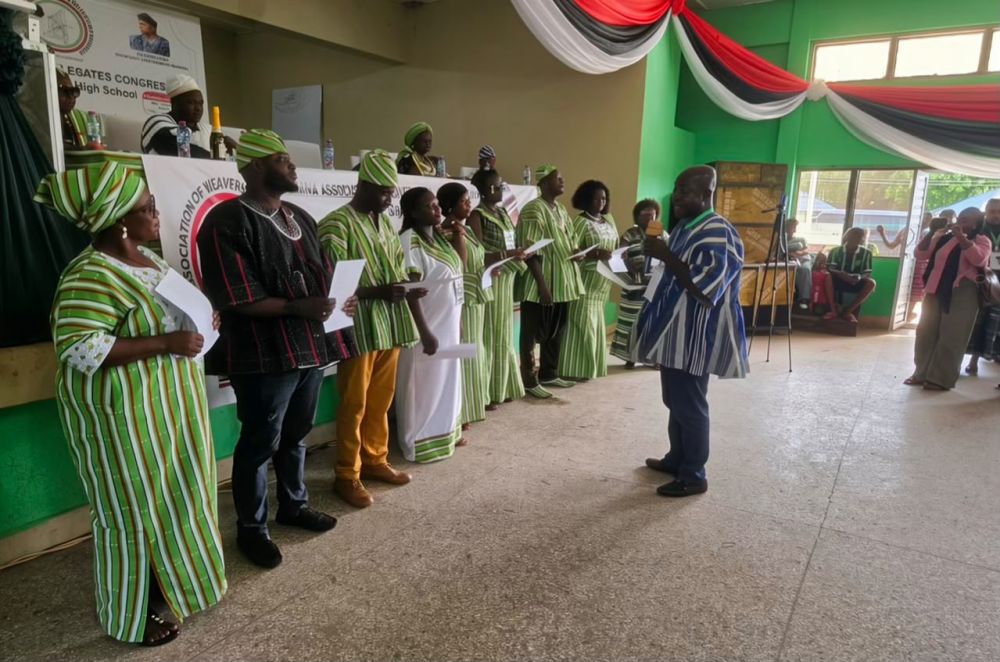
ICU‑Ghana also urged stronger collaboration with the Ghana Export Promotion Authority (GEPA) to help artisans meet international standards and access export markets. The union pointed to the African Growth and Opportunity Act (AGOA) as a ready route for African textiles, encouraging GHAWAL to work closely with GEPA and other institutions to develop products that meet global benchmarks.
Beyond textiles, the union said Ghana’s leather and basket‑weaving industries also hold significant growth potential, but require improved access to finance, technical training, technology and international markets. ICU‑Ghana called on artisans to embrace modern technology and innovation while preserving the cultural identity that distinguishes Ghanaian products, noting that sector development could create jobs, reduce poverty and spur economic growth for communities.