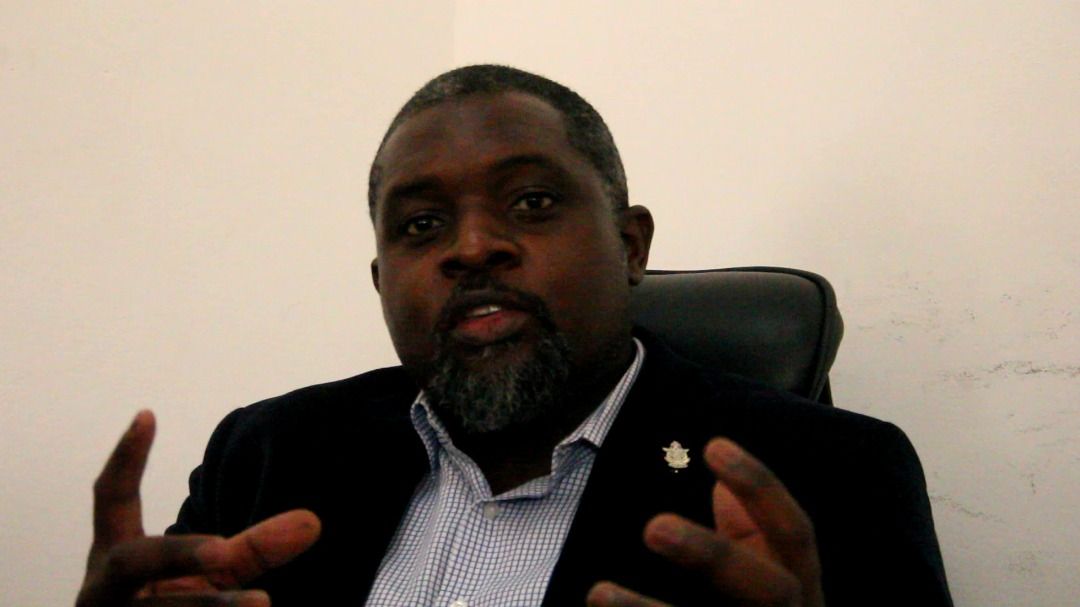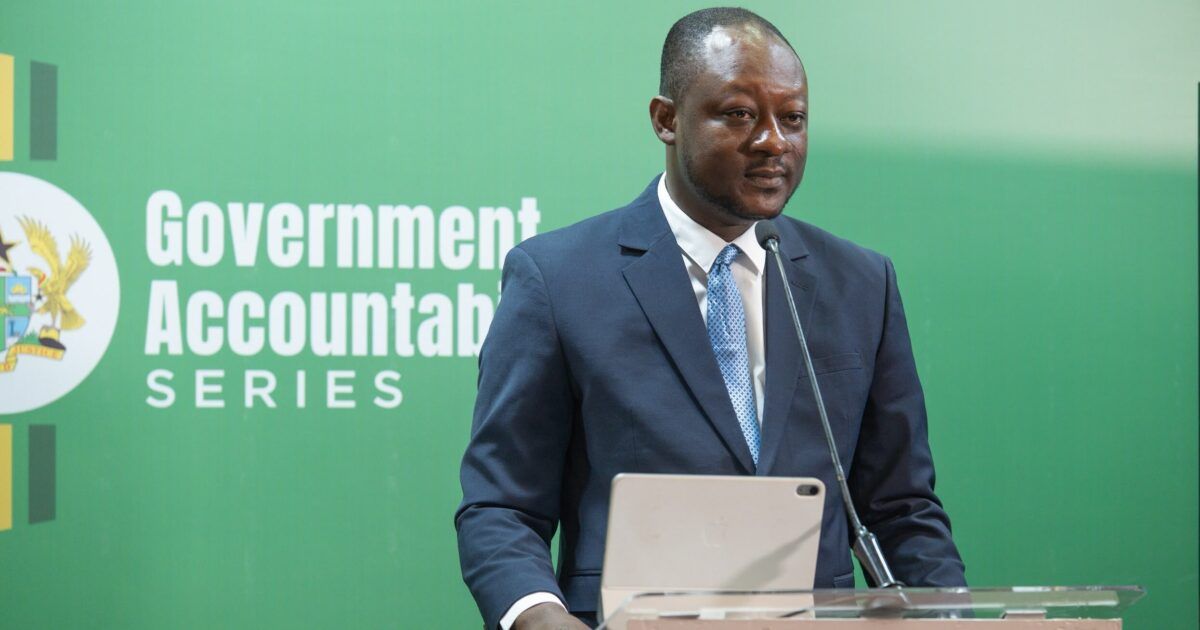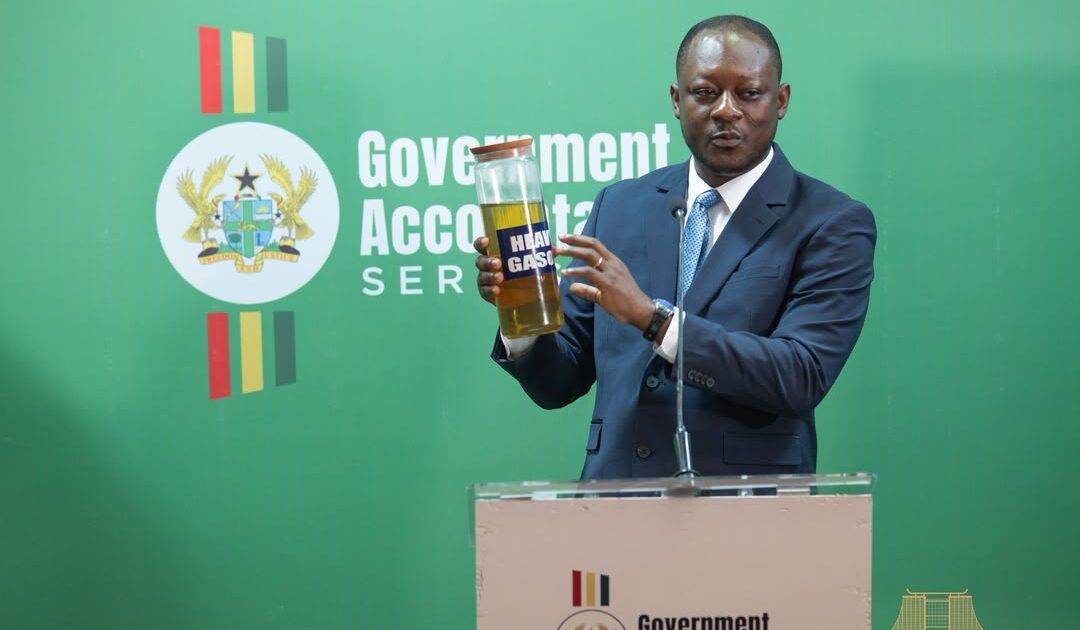

Sammy Gyamfi, CEO of the Ghana Gold Board, addressed the State Interests and Governance Authority (SIGA) conference on 10 September 2026, calling for a decisive shift in how state‑owned enterprises (SOEs) manage finances and governance.
Gyamfi outlined a series of commitments aimed at improving operational efficiency, financial resilience and sustainable growth across the public sector. He urged SOE leaders to progressively reduce dependence on government subventions, sovereign‑backed borrowing and incidental foreign‑exchange gains, and to adopt market‑based financing strategies that would be reviewed annually by their boards.
To support capital‑intensive projects, the CEO and his fellow executives pledged to explore alternative financing instruments such as public‑private partnerships, blended finance and infrastructure bonds. They will work closely with SIGA to tackle institutional hurdles that currently impede such arrangements.
“Every major investment will now face rigorous feasibility analysis, independent due diligence and risk assessment alongside transparent reporting on capital returns,” Gyamfi said. He added that SOEs will institutionalise disciplined cash‑flow management, budgeting and cost control, backed by realistic revenue projections.

He stressed the need for clear boundaries between board oversight and executive management, describing the two groups as essential accountability partners for the state. Compliance with SIGA’s statutory requirements—timely negotiation of performance contracts and mandated reporting—would be treated as core governance responsibilities rather than administrative box‑checking.
Persistent underperformance, he warned, would trigger transparent enforcement in line with the SIGA Act. Ethical leadership and anti‑corruption measures would remain paramount, with executives committing to zero tolerance for corruption, active management of conflicts of interest and resistance to undue interference.
Gyamfi concluded that SOEs would invest heavily in institutional capacity, robust risk management and strong internal controls to secure enduring performance excellence beyond individual tenures.
What follows is a blueprint that, if implemented, could reshape the fiscal landscape of Ghana’s public sector. Stakeholders will be watching closely as the commitments are put into practice over the coming months.