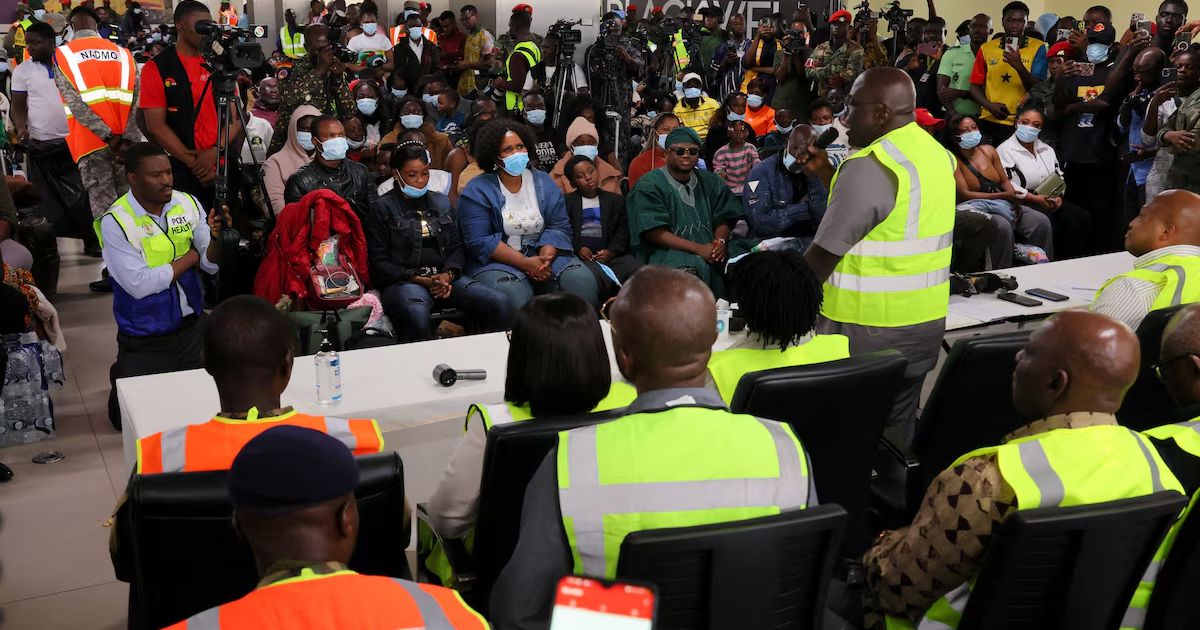

At a Stakeholders’ Consultative Forum on Alternative Economic Models for Ghana in Accra, Dr. Charles Abugre of the International Development Economics Association highlighted the GoldBod programme as a case study for rethinking how Ghana finances development. He said the initial financing of GoldBod’s gold purchases by the Bank of Ghana demonstrates how domestic institutions and resources can be deployed to support economic stability and productive activity.
Dr. Abugre noted that building gold reserves could strengthen Ghana’s capacity to generate foreign exchange, manage external obligations and influence foreign exchange expectations. While acknowledging GoldBod’s impact on inflation and interest rates, he said the more significant development was the financing mechanism used to support the initiative. “That initiative also led eventually to bringing down consumer price inflation and bringing down interest rates. But it’s not these factors that matter most. It is the way the financing happened,” he said.
The economist stressed that the financing did not come from the Treasury but from the central bank, opening the door for a serious conversation about the role of the central bank. According to Dr. Abugre, this challenges conventional boundaries of central bank intervention and raises questions about how monetary institutions can support real‑sector outcomes without undermining economic stability.
He urged that Ghana’s Reset Agenda should go beyond policy adjustments and fundamentally rethink how national development is financed, especially in the face of disruptions to external financing such as changes in U.S. development assistance. “Dependence on finance is the problem. So RESET started with resetting the way you finance your development,” he said. He clarified that this should not be seen as a rejection of foreign investment, aid or international capital flows, but that the principal instruments for financing development must remain in Ghanaian hands.
Dr. Abugre also called for a stronger domestic production strategy, particularly in food and energy, to reduce dependence on imports, strengthen the foreign exchange position and improve economic resilience. “Policies must drive production. And they cannot happen through a magical private sector reallocation,” he said, urging policies that deliberately expand domestic productive capacity rather than relying primarily on external financing or market forces alone.