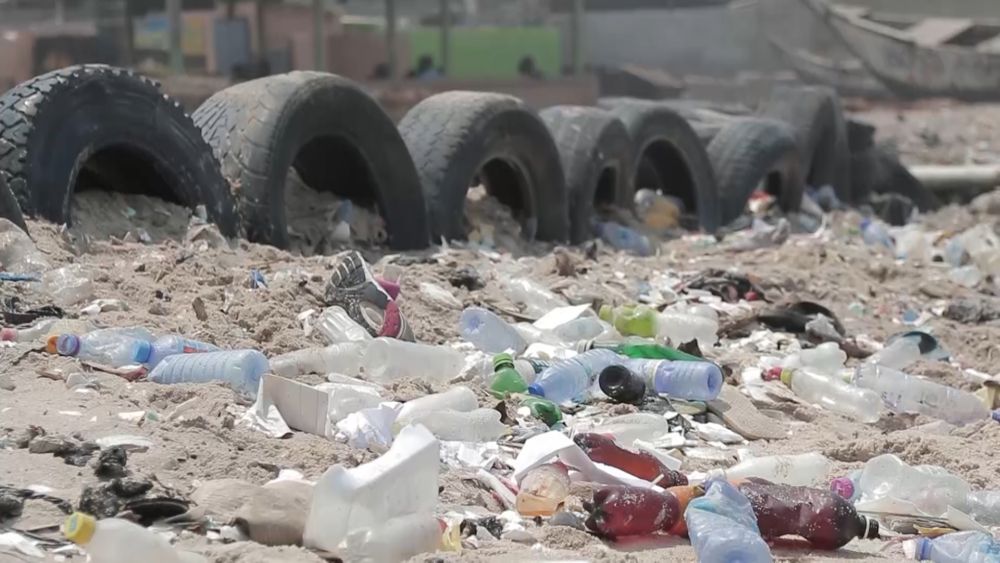
Ghana is becoming a major destination for illegal waste trade, with an estimated 150,000 tonnes of electronic waste shipped annually, both legally and illegally, according to Bloomberg. The United Nations Office on Drugs and Crime describes waste trafficking as a multi‑billion‑dollar crime that poses significant risks to human health and ecosystems.
Criminal networks exploit loopholes in international regulations, disguising hazardous waste as legitimate second‑hand goods and using bribery and cyber‑enabled tactics to avoid detection. The Financial Action Task Force estimates that illicit waste trafficking generates between US$10 billion and US$12 billion worldwide each year, with Ghana contributing a significant share.
Professor Marco Antonelli of the University of Pisa notes that European exporters often find it easier to ship hazardous waste illegally out of their ports than to import it into the European Union, where stricter controls exist. In Ghana, port authorities are reported to accept bribes, allowing dangerous materials to enter the country unchecked.
While the trade provides employment for some, about 27 % of Ghana’s population lives in poverty, and hazardous waste has become a source of income for many. The Basel Convention, which Ghana ratified, requires exporting countries to obtain advance consent from receiving nations before shipping waste, but enforcement remains weak.
Experts call for stronger regulation and enforcement to protect public health and the environment while addressing the socioeconomic drivers that keep the trade alive.