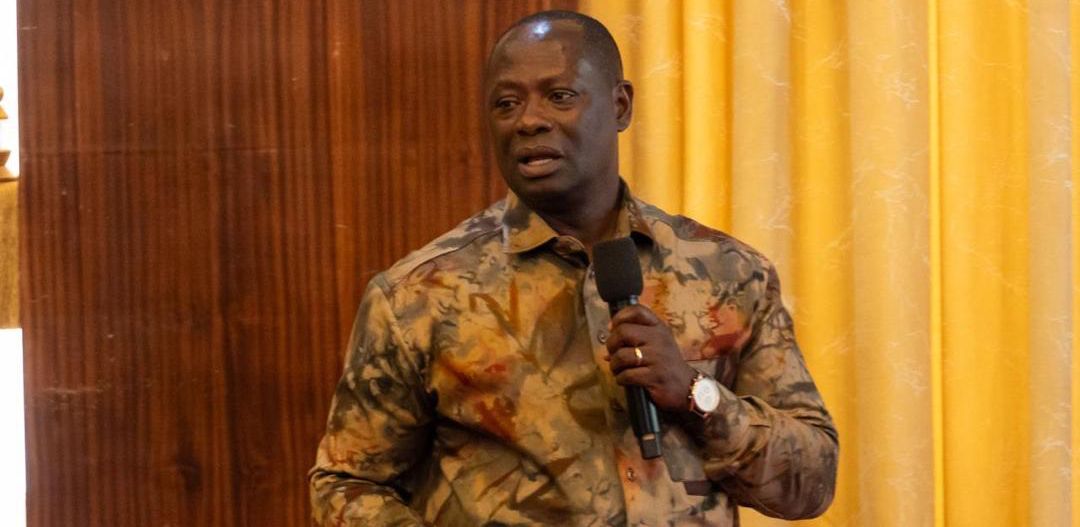
Ing. Dr Sulemana Yussif, Technical Advisor to the Minister of Energy and Green Transition on Petroleum, told a Ghana Institution of Engineering (GhIE) Branch 4 forum in Accra on 3 September 2026 that Ghana could save close to US$500 million a year if it replaces liquid fuels with natural gas for power generation. He added that expanding the country’s gas‑processing capacity would be critical to achieving the savings.
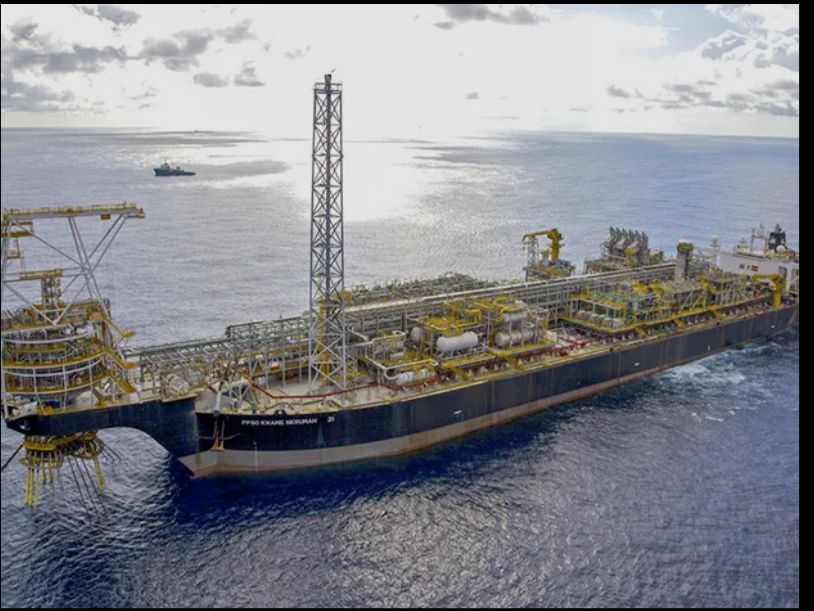
Yussif highlighted the proposed second gas‑processing plant (GPP2) and an onshore natural gas pipeline as key to expanding the nation’s ability to process and transport gas for power plants and industrial use. Ghana currently operates the Atuabo Gas Processing Plant, which handles about 120 million standard cubic feet of gas per day. The new plant is expected to be mechanically complete in early 2028 and operational in the second quarter of the same year, subject to schedule.
"If we switch from liquid, let’s say LCO, light crude oil, to generate power and use gas, we are saving closer to half a billion on an annual basis," Yussif said. He noted that moving more thermal generation onto domestic natural gas would have significant implications for Ghana’s foreign‑exchange position.
Ing Maxwell Kwame Kelly, General Manager for Engineering and Maintenance at Ghana Gas, said the additional gas‑processing capacity could help moderate electricity costs. "Obviously, as you grow as a country, things will go up. But the rates at which things will go up will be reduced, yes," he said. He added that the economic benefits of GPP2 should be weighed against the cost of not having sufficient gas‑processing capacity.
Emmanuel Tamaku, Gas Business Manager at the Ghana National Petroleum Corporation (GNPC), said increased capacity would also allow Ghana to better manage associated gas from offshore oil fields and strengthen investor confidence in the upstream sector. The Energy Ministry has identified GPP2 as a key component of its broader Gas‑to‑Power Transformation Policy, alongside plans for a state‑owned 1,200 MW power plant and efforts to attract investment into upstream oil and gas.
Ing Dr Frank K Pinto, Chairperson of the Ghana Institution of Engineering, Greater Accra, cautioned that the potential savings would depend partly on the efficiency of the country’s gas transportation infrastructure. He said the proposed onshore pipeline would be important in ensuring that more of the economic value associated with gas transportation remains within Ghana.
The discussions reflect growing efforts to increase Ghana’s use of domestically processed natural gas as part of a strategy to improve energy security, reduce exposure to costly liquid fuels and retain more foreign exchange within the economy. If the GPP2 project and supporting pipeline are delivered efficiently, Ghana could realise the expected economic and energy‑sector benefits.