Ing. Ato Roberts, Chairman of the Electrical/Electronics Division of the Ghana Institution of Engineering, cautioned that improper installation of electric vehicle (EV) charging systems at homes could overload electrical circuits and create serious safety risks, including fire outbreaks.
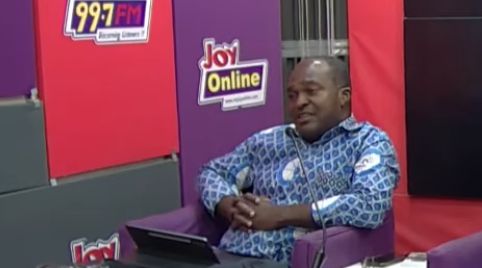
Speaking on Joy FM’s Super Morning Show on Friday, September 4, Roberts urged EV owners who intend to charge their vehicles at home to use electricians certified by the Energy Commission and to ensure that the charging system is properly wired into the home’s electrical panel.
“EV charging should not be treated like plugging an ordinary household appliance into a socket because of the amount of power required by the vehicles,” he said. He added that a home charging point must have a dedicated electrical supply and be installed properly to handle the load.
Roberts warned motorists against engaging unqualified persons to install EV charging systems simply because they are available or offer the service at a cheaper cost. “You just don’t call anyone from the wayside to just come and fix them down for you,” he cautioned.
One key safety requirement, he explained, is that the charging point must be connected directly to an appropriate breaker in the home’s electrical panel. “If that is not done, then it's likely to overload some of the circuits in your home,” he said.
The Energy Commission is developing EV charging standards, although the process is still under discussion. Roberts said the regulator will set requirements for residential charging and has already engaged with industry stakeholders.
EV owners should ensure the electrician carrying out the installation is certified by the Energy Commission and that the charger is wired directly to a breaker in the panel to avoid overloading circuits and potential fire hazards.