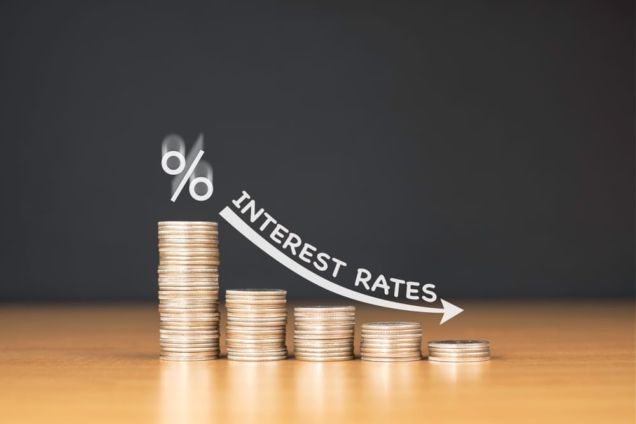
The Ghana Reference Rate (GRR) slipped to 10.04% in October 2026, down from 10.18% in September, marking another 0.14‑point decline in the benchmark that banks use to price loans and other credit facilities.
While the Bank of Ghana held its Monetary Policy Rate at 14% at the latest MPC meeting, the GRR continues to move, reflecting changes in market‑based components that feed into the calculation of the reference rate.
For businesses, the sustained drop could lower financing costs for working capital, equipment purchases and expansion, potentially improving cash flows and investment decisions. Households may see some relief on variable‑rate loans, though a lower GRR does not automatically translate into equivalent declines across all banks’ lending rates.
The October figure represents a significant fall from the 15.68% recorded at the start of 2026. The GRR fell to 14.58% in February, then sharply to 11.71% in March, 10.06% in April, and 10.02% in June, briefly rose to 10.61% in August, before resuming its downward trend in September and October.
Overall, the GRR has dropped 5.64 percentage points between January and October 2026. The decline may encourage businesses that had previously been discouraged by high interest rates to re-enter the credit market, potentially boosting demand for loans. However, banks may face pressure on interest margins if lending rates fall faster than the cost of mobilising deposits.
What to watch next: banks’ individual loan pricing will determine the extent to which borrowers benefit from the lower GRR, and the Bank of Ghana’s future policy decisions will shape the broader monetary environment.