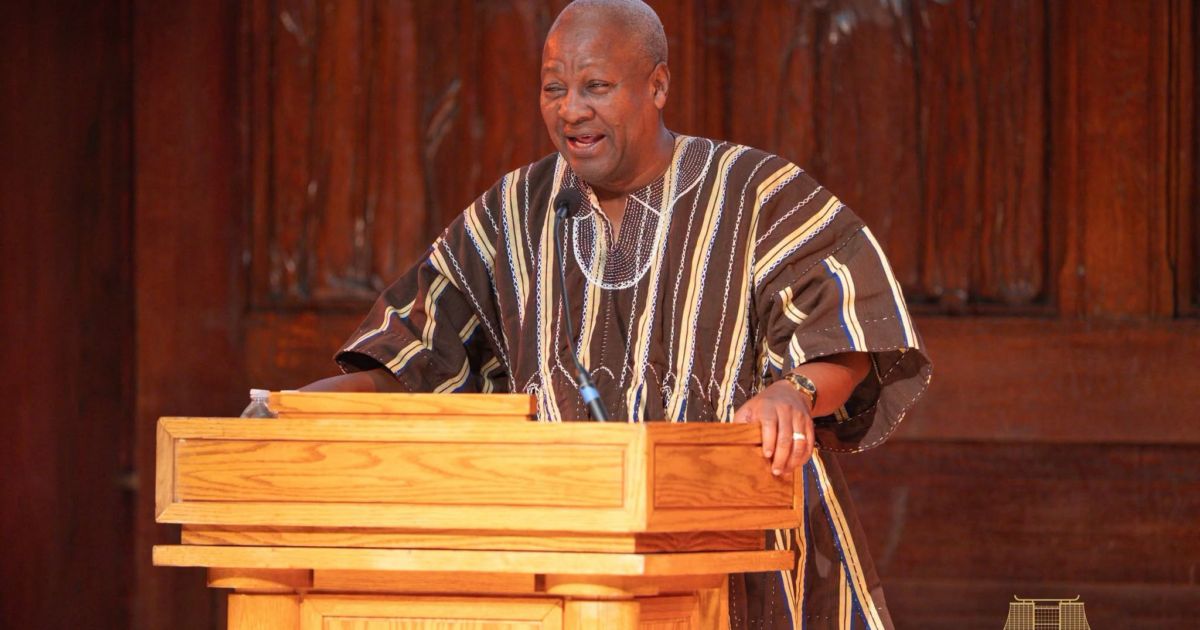
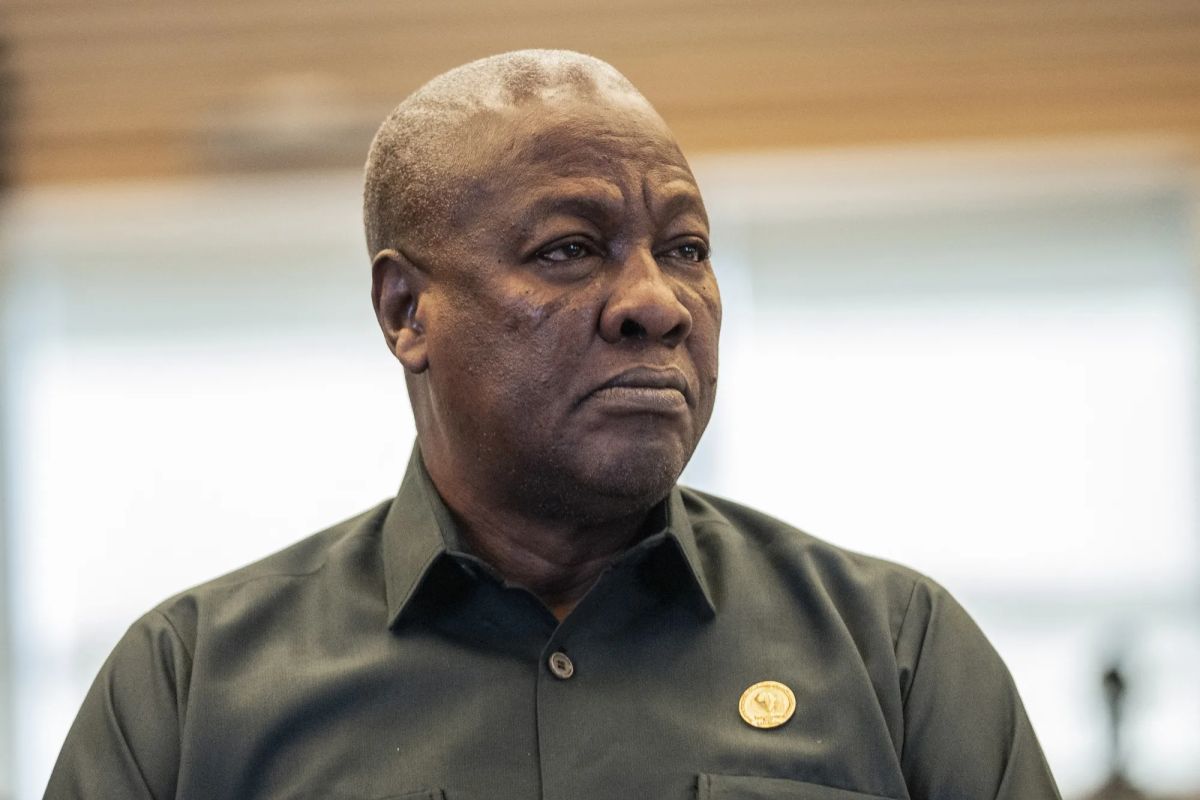
On 28 September, a coalition of civil society organisations addressed President John Dramani Mahama with an open letter demanding that Ghana’s government stop the next phase of offshore gold exploration along the western coastline until the legal, environmental and socioeconomic implications are independently established.
The letter, signed by groups including the Environmental Justice Foundation, Centre for Maritime Law and Security Africa, OCEANA and Oxfam, cites Gold Coast Resource Corp.’s 10 reconnaissance licences covering roughly 10,000 square kilometres from Half Assini to Winneba. The company has already collected about 50,000 line‑kilometres of airborne magnetic data and earmarked a 500‑square‑kilometre priority area near the Ankobra River mouth for more intrusive surveys.
Critics warn that the licences, according to the company’s published map, extend to about 33 kilometres offshore—well beyond the 12‑nautical‑mile Inshore Exclusion Zone (IEZ) defined in the Fisheries and Aquaculture Act, 2025. Without official cadastral coordinates, the overlap remains unclear, raising concerns that drilling, vibro‑coring and bulk seabed sampling could damage marine habitats and disrupt the livelihoods of over three million people dependent on Ghana’s fisheries.
The letter also highlights legal issues. Section 32(3) of the Minerals and Mining Act, 2006 (Act 703) prohibits reconnaissance licence holders from drilling or excavating, while Section 99(6) makes it an offence to use floating platforms for mining or dredging in Ghana’s natural water bodies. The CSOs ask the government to explain how the proposed activities would comply with these provisions.
Ghana’s Marine Fisheries Management Plan 2022–2026 estimates that the fisheries subsector supports about 10 percent of the population—more than three million people. Artisanal fishers landed 282,658.29 metric tonnes of fish in 2025, accounting for 63.68 percent of total landings. The potential cumulative impact of seismic surveys, increased vessel traffic and seabed disturbance could threaten spawning grounds and marine mammals that rely on sound.
Gold Coast Resource Corp. has acknowledged that no mineral resource or reserve, and no economic viability, has yet been established. The CSOs urge the government to decide whether Ghana should allow seabed‑disturbing activities before the economic value and full consequences of extraction are known.
Observers say the debate will test Ghana’s commitment to protecting its coastal economy while pursuing new extractive industries. The government’s next move will shape the future of Ghana’s fisheries and offshore mining policy.