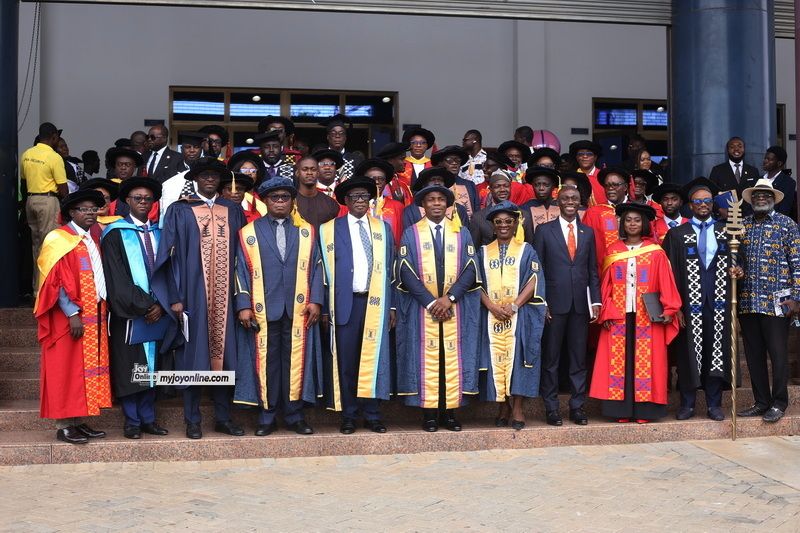
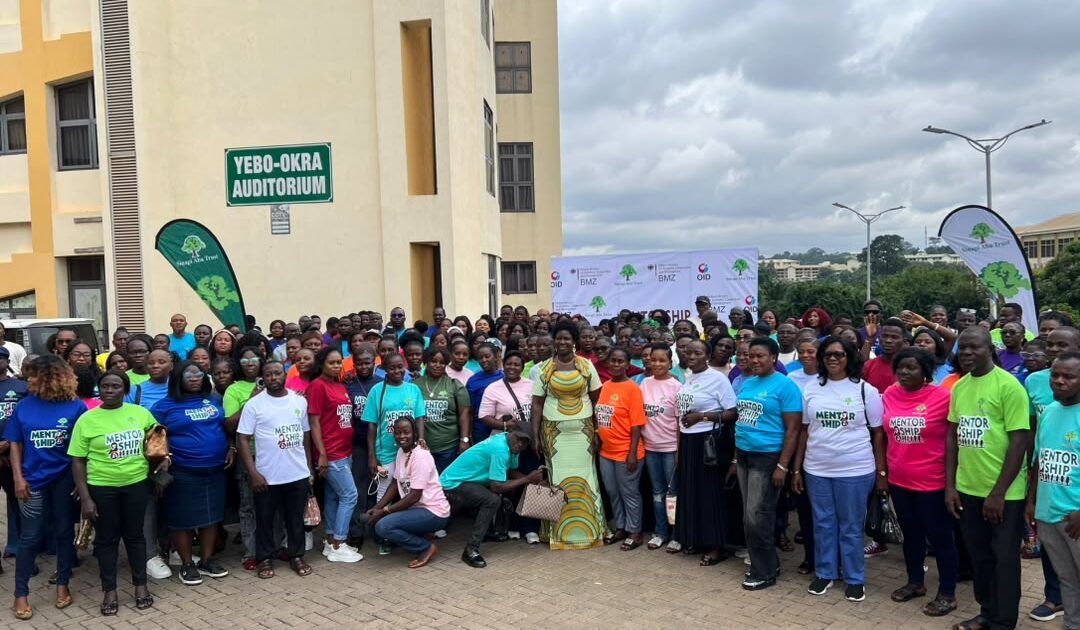
At the graduation ceremony of the sixth cohort of the Sinapi Aba Trust/BMZ Mentorship Programme, stakeholders highlighted the critical role of structured mentorship in helping micro, small and medium enterprises (MSMEs) survive and grow.
According to the Trust, many young businesses struggle beyond their early years due to limited managerial skills, weak financial systems and the inability to navigate an increasingly competitive business environment. Structured business mentorship, they say, can address these challenges and improve prospects for emerging enterprises.
Deputy Director of the Council for Scientific and Industrial Research (CSIR), Dr. Mrs. Patricia Acheampong, explained that mentorship goes beyond classroom training, providing entrepreneurs with trusted relationships that help identify and address business challenges. “Mentorship is about relationships to help entrepreneurs grow their businesses. It is expected that the takeaways from mentorship will help them. With mentorship, there is someone you can talk to and trust who will encourage you to adopt models that will make your enterprise work,” she said.
She added that effective mentorship can also prepare entrepreneurs for access to finance, as investors and financial institutions are more likely to support business owners who demonstrate the skills and systems required to manage their enterprises.
The Sinapi Aba Trust Mentorship Programme was established to bridge critical gaps that prevent entrepreneurs, especially women, from reaching their full business potential. The programme has so far impacted more than 2,000 beneficiaries and pairs experienced mentors with mentees over a six‑month structured programme that combines classroom learning with practical and informal training sessions.
Program Manager Phyllis Desbordes noted a new development in the latest cohort: former beneficiaries becoming mentors and hubs of support for new mentees. “What we did this year that brought greater results is that we had mentees from previous cohorts becoming mentors and becoming hubs of support for new mentees,” she said.
Beneficiaries reported improved communication with customers, better bookkeeping, the use of digital platforms for marketing and overall business scaling. “It has helped me with communication with customers, bookkeeping, I have been able to open social media pages for social media marketing, financial management, which has helped me scale up. My advice to the women is that they should take advantage,” said a mentee.
As the Trust celebrates the graduation of 300 entrepreneurs, the emphasis remains on building sustainable support networks that equip MSMEs with the practical skills and professional networks needed to manage risks, respond to market challenges and position their businesses for sustainable growth.