
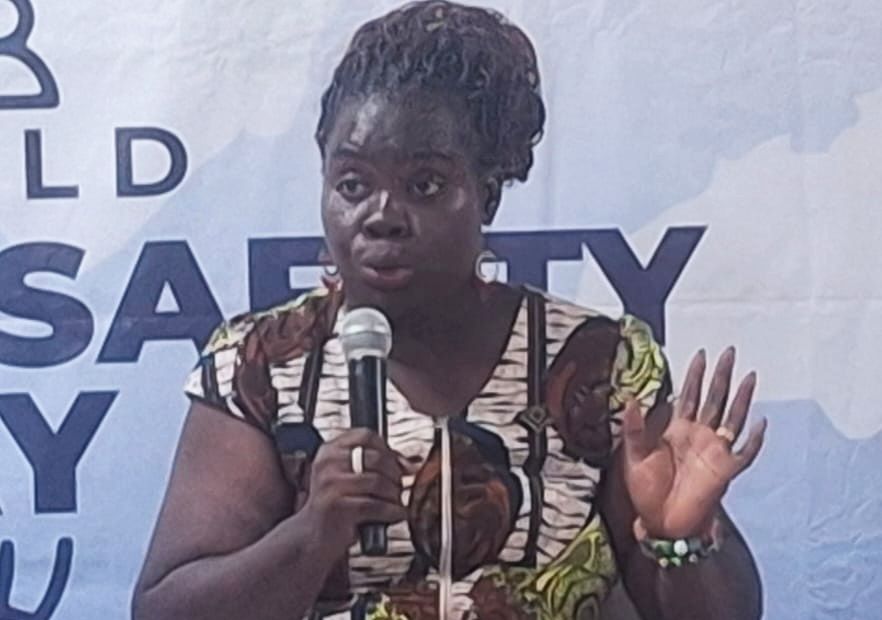
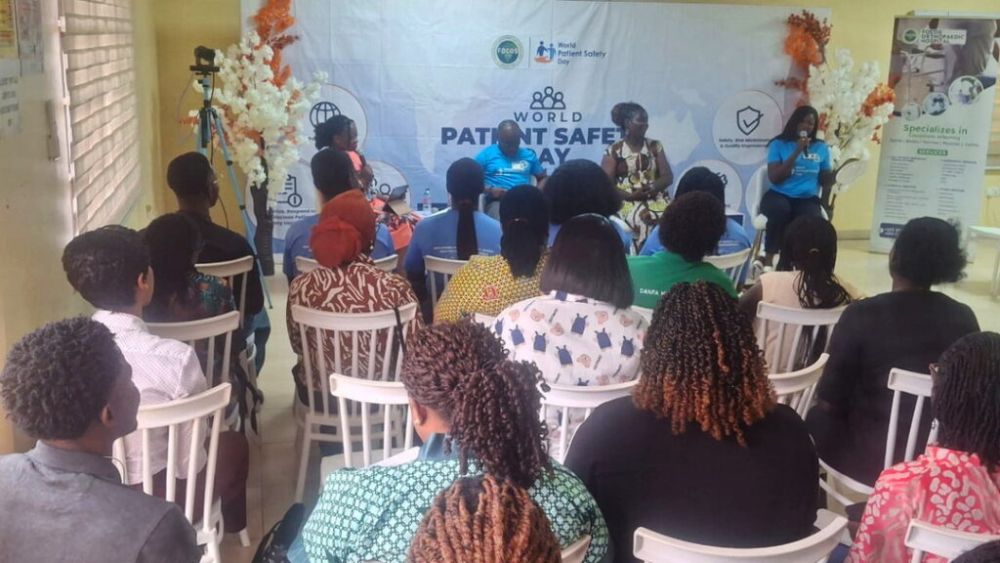
Ghana is confronting a mounting non‑communicable disease (NCD) crisis, says Dr Efua Commeh, Municipal Director of Health for La Nkwantanang‑Madina in the Greater Accra region. During a panel on World Patient Safety Day, she highlighted that chronic conditions are increasingly eclipsing infectious diseases, demanding a stronger health system response and greater public awareness of risk factors.
Unhealthy diets, physical inactivity and easy access to fast food are cited as key modifiable contributors. Dr Commeh noted that lifestyle changes have reduced natural daily activity, while fast‑food consumption has risen. “We need to be conscious of ensuring that we can incorporate physical activity into our lifestyle,” she said.
Hypertension is a particular concern, with 21.7 % of adults aged 18‑69 in Ghana reported hypertensive. Less than half of those affected are aware of their condition, leaving many undiagnosed until complications arise. “One out of every five Ghanaians is hypertensive,” she stressed, warning that blood pressure can rise silently.
Diabetes and cancer also add to the burden. In 2022, over 5,000 new breast cancer cases were recorded, with more than 2,000 deaths, while cervical cancer saw about 3,026 cases and over 1,000 deaths. Late presentation and limited screening were blamed for high mortality.
Long‑term management poses challenges for patients and providers. Unlike acute infectious diseases, conditions such as hypertension and diabetes require lifelong medication and monitoring, creating financial strain and affecting adherence. Dr Commeh cautioned against alternative treatments marketed as cures, urging health workers to communicate clearly in patient‑friendly language and tailor dietary advice to individual circumstances.
She called for greater emphasis on self‑care, noting that the health system cannot provide continuous direct care throughout patients’ lives. Patients must be equipped with knowledge and skills to manage their conditions at home. “On one side, I'll put the blame back on us, in that once we are prescribing, we should be able to engage the client in a language that they understand, on terms that they appreciate,” she said.
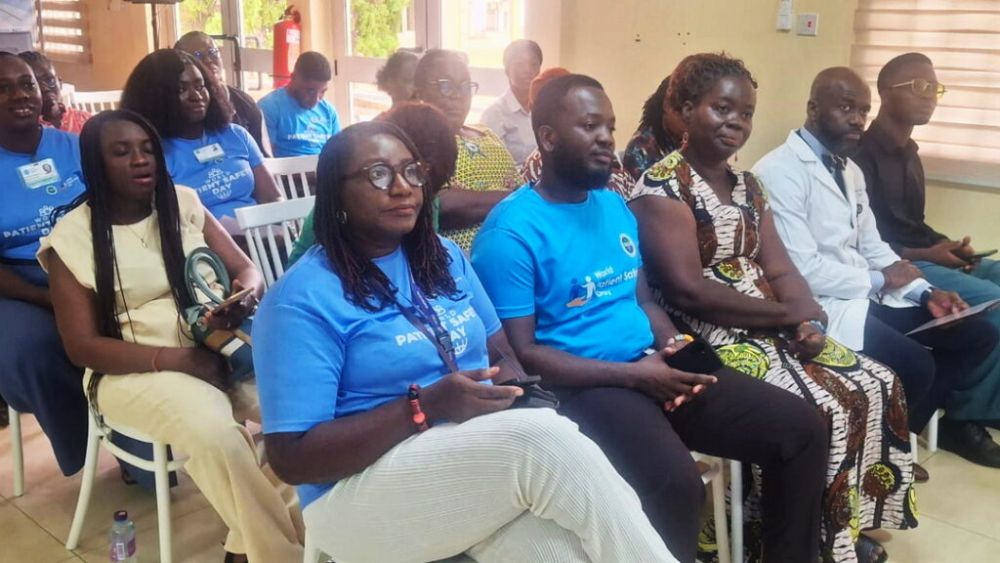
Dr Commeh urged that Ghana’s health system, traditionally focused on infectious diseases, adapt to the growing NCD burden. She highlighted ongoing efforts to integrate NCD training into medical, nursing and midwifery curricula and to engage communities and influential groups to dispel misconceptions.
Public education remains low, she added, and regular health screening is essential for early detection. She also noted the need to consider NCDs in children, as some chronic conditions and cancers can manifest early.
Health authorities are urged to strengthen community engagement, improve screening programs and support patients in managing their long‑term care, while the health system evolves to meet the sustained demands of chronic disease management.