
Ghana could face growing pressure on its competitiveness in international energy markets if it fails to strengthen measures to control methane emissions and eliminate routine gas flaring, petroleum engineering expert Dr Kwame Sarkodie has cautioned.
He said evolving methane regulations, particularly in the European Union, were creating new requirements for oil and gas‑producing countries and could affect Ghana’s attractiveness to investors and international buyers if it failed to improve emissions monitoring and reduction.
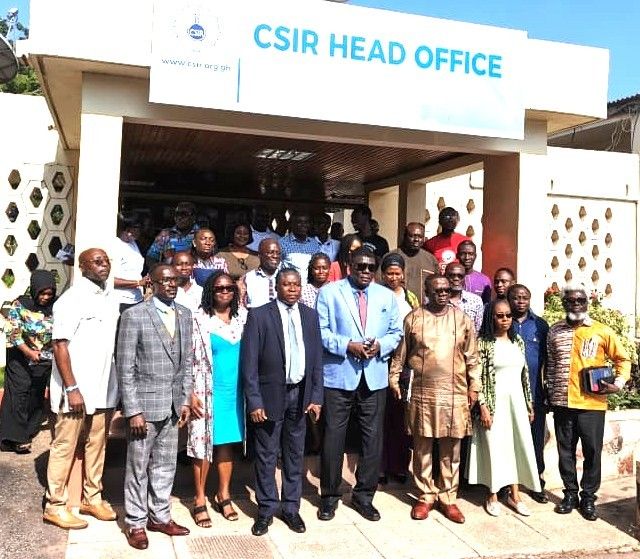
Dr Sarkodie, of the Department of Petroleum Engineering at the Kwame Nkrumah University of Science and Technology (KNUST), was speaking at a Technical Consultative Workshop organised by the Public Interest and Accountability Committee (PIAC) on the theme, “Building a Resilient Gas Economy: Collaborative Strategies to Ensure an Efficient Gas Value Chain.”
He said Ghana needed to treat the elimination of routine gas flaring as both an environmental and economic priority.
“If Ghana does not enforce zero routine flaring and eliminate emissions, we risk losing access to the European export markets and facing higher capital costs from international investors,” he said.
The European Union’s methane regulation introduces progressively stricter requirements for oil, gas and coal imported into the bloc. From January 2027, importers will have to demonstrate that relevant supplies come from jurisdictions with methane monitoring, reporting and verification requirements equivalent to EU standards or specified international standards. Methane‑intensity reporting will begin in August 2028, while methane‑intensity limits will apply to specified contracts from August 2030.
Dr Sarkodie said Ghana was already losing substantial economic value through gas flaring. Citing PIAC’s 2024 disclosures, he noted that about 28.5 billion cubic feet of natural gas, representing approximately 10.4% of raw gas used during the year, had been flared. He estimated the value of the lost gas at about $170 million, saying the resource could instead have been used to support industries and ease pressures within the energy sector.
He said the Petroleum Commission had set a target of eliminating routine gas flaring from Ghana’s oil fields by 2026. “Ending routine flaring is not just an environmental imperative, it’s an urgent economic necessity,” he added.
Ghana has already begun steps to reduce methane emissions and eliminate routine flaring, with the Petroleum Commission previously indicating that the country was working towards reducing or eliminating routine flaring by 2026 and improving methane measurement.
Dr Sarkodie said methane was becoming increasingly important in international oil and gas markets because of its high global‑warming potential and tightening regulatory requirements in major markets. He urged Ghana to strengthen its emissions monitoring systems and ensure operators complied with measures to prevent routine flaring and methane leakage. Failure to adapt to the changing regulatory environment could have consequences beyond environmental compliance, including higher costs for investors and reduced competitiveness in international energy markets.