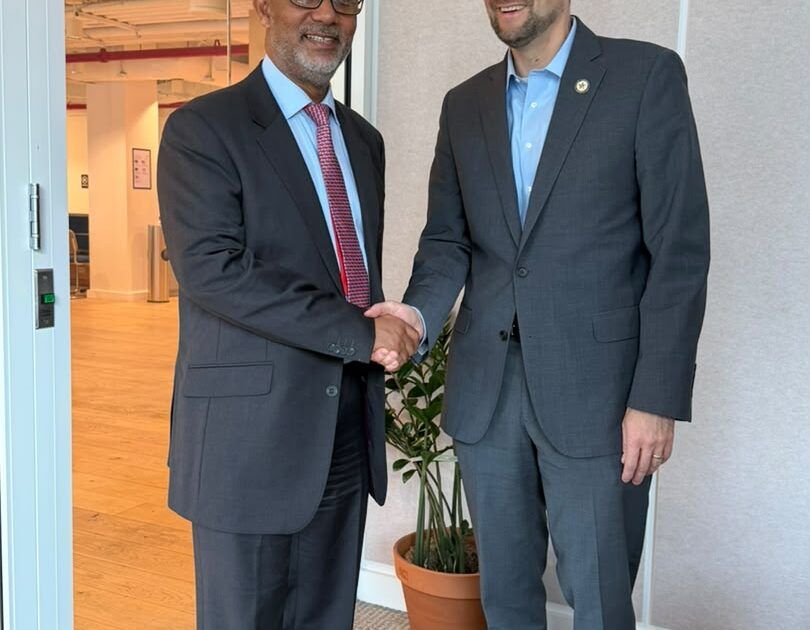
The Millennium Challenge Corporation (MCC) has signalled a fresh interest in deepening its development partnership with Ghana, following a high‑level delegation from the Millennium Development Authority (MiDA) that arrived in New York for talks on the country’s next phase of economic transformation.
The meeting brought together senior officials from both institutions to review Ghana’s long‑standing collaboration with MCC, the lessons from the two completed Compacts, and opportunities for renewed cooperation. The discussions opened new avenues for Ghana to work with MCC again, with energy and regional power integration emerging as key areas of potential partnership.
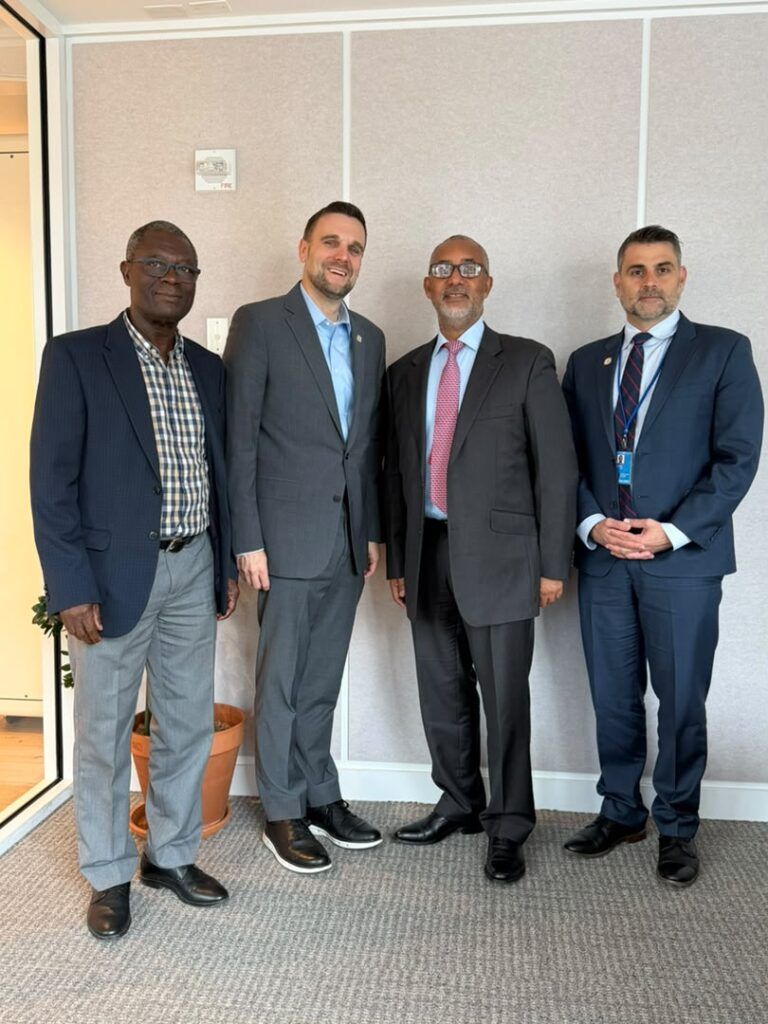
MiDA’s delegation was led by Chief Executive Officer Alexander Kofi‑Mensah Mould and Board Chairman Charles Abugre, while MCC was represented by Acting Vice President for Compact Operations Jason Small and Senior Policy Advisor Tariq Ahmed. Small noted that Ghana’s track record with MCC would be an important consideration should the country seek to develop another compact, and that MCC now examines prospects for increased U.S. investment, U.S. exports and supply chains involving critical materials and minerals.
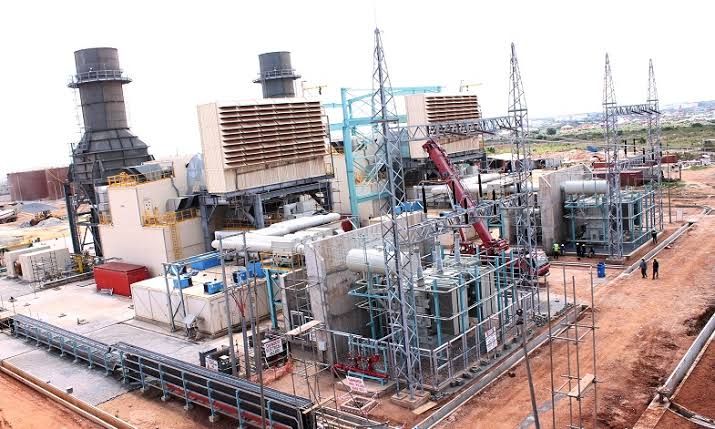
Mr Mould highlighted Ghana’s energy sector as a platform for renewed cooperation, citing the experience and infrastructure created through the previous Power Compact. He pointed to opportunities to strengthen the electricity grid, improve distribution company performance and deepen regional electricity integration across West Africa, including potential natural gas infrastructure linking Ghana and Nigeria.
Reforms undertaken in Ghana’s power sector since the Power Compact—such as quarterly automatic tariff adjustments and a cash waterfall mechanism—were also noted as evidence of the country’s commitment to sustained improvement. Several projects that could not be completed under the original Compact have since advanced through domestic efforts.
Mr Small recalled MCC’s earlier examination of regional energy infrastructure involving Ghana and neighbouring countries, including proposed transmission interconnectors with Côte d’Ivoire and Burkina Faso. He said MCC would need to assess the current viability of those projects and determine whether the identified constraints remain a major impediment to economic growth.
While MCC has introduced a broader assessment framework that considers “American returns” when evaluating potential new compact countries, it does not automatically guarantee a new compact to countries with previous programmes. The MCC Board will consider the available evidence before deciding which countries should be selected for new compact development.
The meeting underscored the enduring institutional relationship between MCC and MiDA. Ghana has completed two MCC‑funded programmes: the Ghana Compact, which supported agriculture, transportation and rural development, and the Ghana Power Compact, which focused on electricity infrastructure and power‑sector reforms. MCC currently lists both programmes as closed.
Ghana’s Power Compact alone delivered major infrastructure investments, including four major power substations, while supporting reforms aimed at improving reliability and sustainability. The renewed dialogue signals a potential new chapter in Ghana’s development partnership with the U.S. agency, with energy and regional integration at its core.