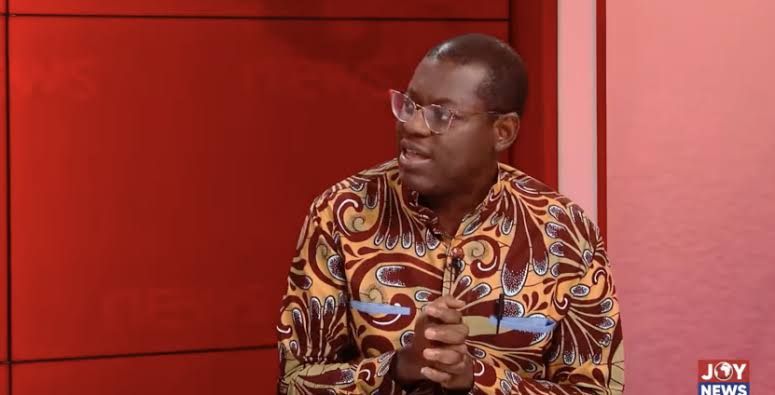
In a recent piece, Nana Attobrah Quaicoe challenges the entrenched belief that former Ghanaian intelligence officers owe a lifetime of silence to their institutions. He argues that the doctrine, widely accepted across West Africa, has stifled honest critique and prevented necessary reforms.
Quaicoe notes that secrecy is essential for operational security, but he distinguishes between protecting genuine secrets and shielding institutional performance. He cites examples such as the 9/11 Commission, the US Senate’s pre‑Iraq War review, and Britain’s Butler Review, all of which exposed failures without harming national security or partnerships.
He points to Ghana’s own history, mentioning former BNI Director K.B. Quantson and National Security Coordinator Yaw Donkor, both of whom have published on intelligence practice. Quaicoe calls for more voices, including former academic leaders like Professor Ofosu Armah, to share insights that could guide modernisation.
Quaicoe also contrasts Ghana’s situation with that of Israel, where a lack of critical analysis led to the 1973 Yom Kippur War. The Israeli response involved a permanent devil’s advocate unit and a cultural shift toward structured challenge, lessons that Ghana could adopt.
He concludes that the real problem is not secrecy itself but the unquestioned dogma that treats rank and age as talent. By encouraging open debate and systematic review, Ghana’s intelligence services could move beyond inherited practices and improve national security.