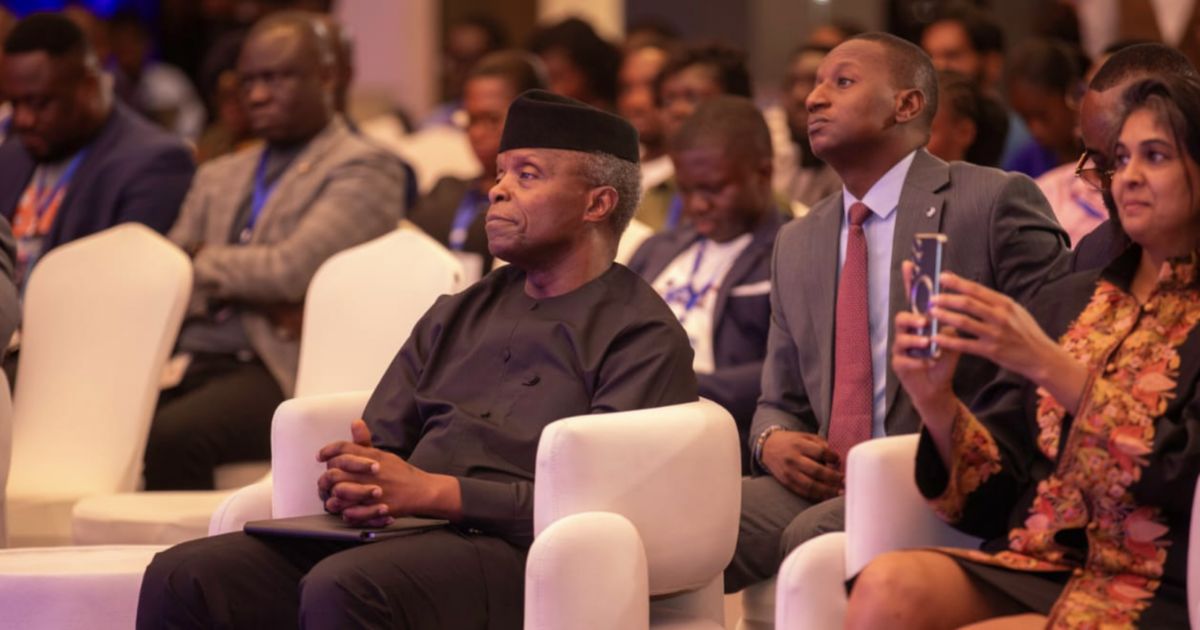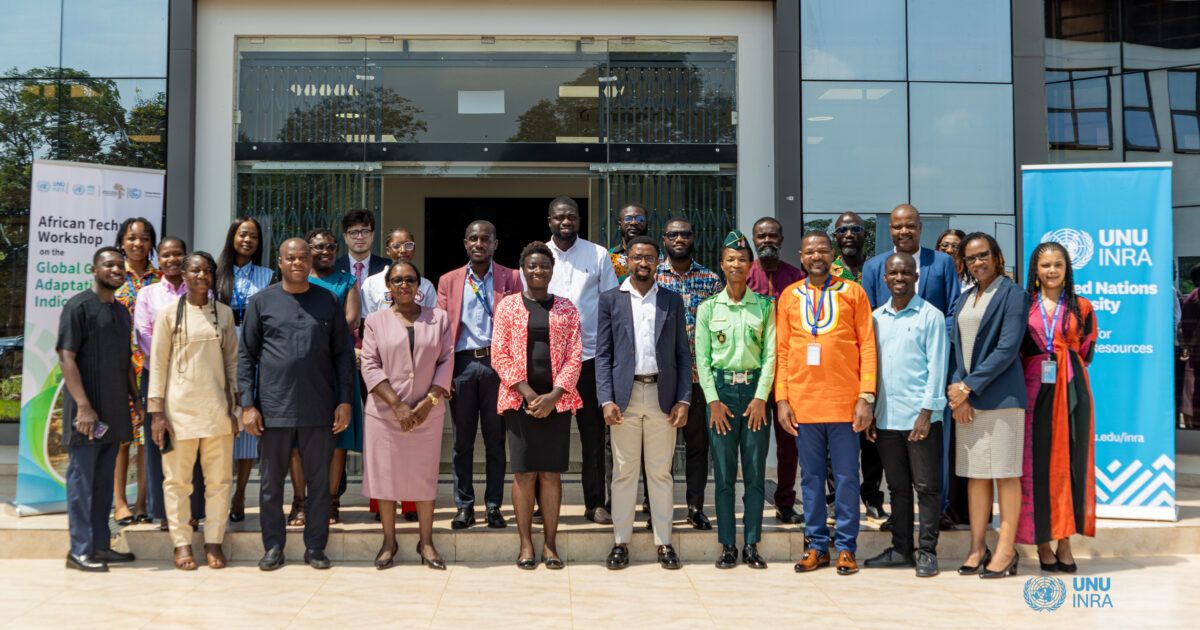
From 22 to 24 October 2026, Ghana’s West African Genetic Medicine Centre became the hub for the African Technical Workshop on the Global Goal on Adaptation (GGA) Indicators. The event gathered climate negotiators, government officials, technical experts and representatives from the United Nations University and the UN Framework Convention on Climate Change to test whether the 59 Belém Adaptation Indicators adopted under the Global Goal on Adaptation process adequately reflect national priorities and capture results that matter to people and communities.
Dr Richard Munang, Director of the United Nations University Institute for Natural Resources in Africa (UNU‑INRA), led the discussion, stressing that adaptation must be judged by its impact on lives, not by spending. He recalled his childhood in north‑western Cameroon, where failed maize harvests left his family hungry, to illustrate how climate pressures deepen vulnerability for already struggling households.
“Because if you don’t count what is failing, you cannot fix it,” Dr Munang said, urging evidence that identifies both successful interventions and those that fall short. He highlighted the links between disaster risk and public health, noting that poorly maintained drainage, flooded roads and delayed early‑warning messages can prevent ambulances from reaching patients, contaminate water supplies and expose children to waterborne diseases.
Dr Revathi Phalkey, Director of the United Nations University International Institute for Global Health, noted that the exercise would help countries determine whether their existing systems can measure progress toward adaptation ambitions. “What we really need to measure is where we need to go and how fast we can get there,” she said.
Stella Okoh of Ghana’s Environmental Protection Authority, representing the Chair of the Africa Group of Negotiators, emphasized that the workshop would build on existing national reporting systems, identify gaps and determine what needs to improve. She added that monitoring whether adaptation interventions actually build resilience in Ghana is a key priority.
Motsomi Maletjane of the UNFCCC Secretariat’s Adaptation Division explained that the voluntary testing of the indicators, following their adoption at COP30, will inform the development of indicator metadata and methodologies and help countries report on adaptation progress. The findings are expected to contribute to Ghana’s own planning processes and to the broader effort to apply global indicators across different national contexts.
As the workshop concluded, participants were set to develop recommendations for aligning Ghana’s National Adaptation Plan with the global indicators, mapping data availability, and addressing methodological, institutional, technical and financial gaps. The next steps will involve translating these insights into concrete policy actions and reporting frameworks that prioritize human wellbeing over mere financial metrics.