On Saturday, close to 1,000 protesters were detained across France as a wave of largely peaceful demonstrations over economic grievances returned to the streets of major cities. The Interior Ministry reported that about 110,000 of the more than 410,000 demonstrators were in Paris, roughly the same number as a week earlier.
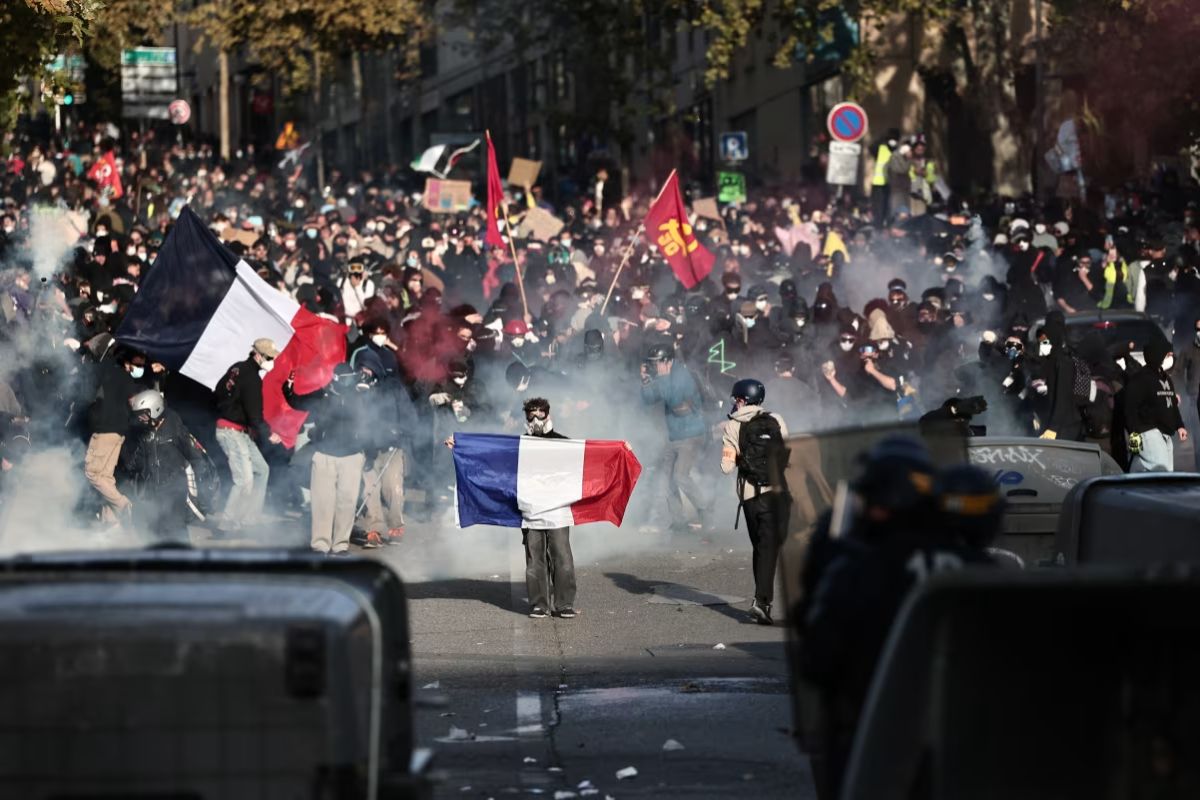
While the protests were mostly calm, pockets of disorder erupted in Marseille, Bordeaux and the capital. In Marseille, protesters launched mortar fireworks toward police, and looting was reported in several areas, including a jewelry store and a supermarket. Bordeaux saw clashes that led to the use of tear gas and a water cannon by police. In Paris, the march ended peacefully, but a confrontation at the Porte de Vincennes saw police deploy tear gas and a water cannon to block a crowd of several thousand.
Across Europe, similar grievances—rising cost of living, housing crises and inadequate education funding—shaped protests. Tens of thousands marched in Madrid demanding pension protection, while Portuguese police cleared encampments in Lisbon and Porto. In Barcelona, 128 people were arrested after riots and looting, with 23 businesses vandalised in the Plaza de Catalunya area. Italian cities such as Rome, Milan and Naples saw smaller protests, though Milan’s authorities deployed military troops to confiscate weapons and prevent further unrest. In Tirana, protesters set dumpsters on fire and threw stones, while Brussels students barricaded streets and were later dispersed by a water cannon.
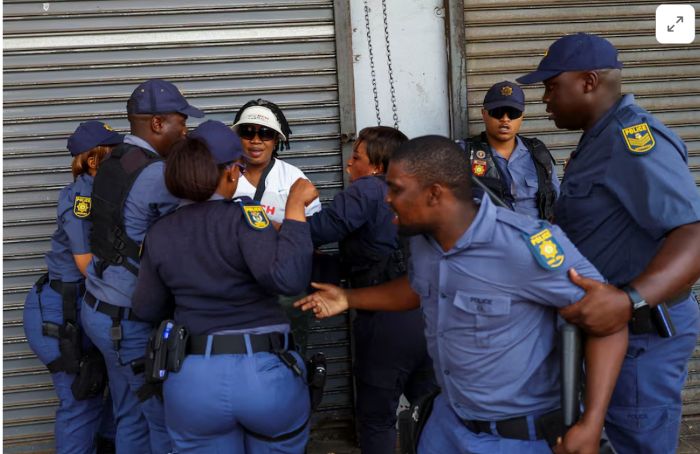
Interior Minister Laurent Nuñez said the police operation, which mobilised about 70,000 officers nationwide, aimed to prevent repeat violence. Special units, helicopters, armored vehicles, police dogs and water cannon were deployed, with forces remaining on duty until late Saturday evening. Despite the heightened security, the demonstrations largely stayed peaceful, with limited damage compared to the previous weekend.
Looking ahead, authorities will keep the heavy security presence in place as protests continue across Europe, with organisers warning that economic grievances could keep the streets active for weeks to come.