Ghana has crossed the 80 % threshold for adult financial account ownership, a milestone highlighted by the World Bank’s Global Findex 2025. Yet a 2021 FinScope survey reveals that only 22 % of adults are considered financially healthy, exposing a widening gap between access and actual economic well‑being.
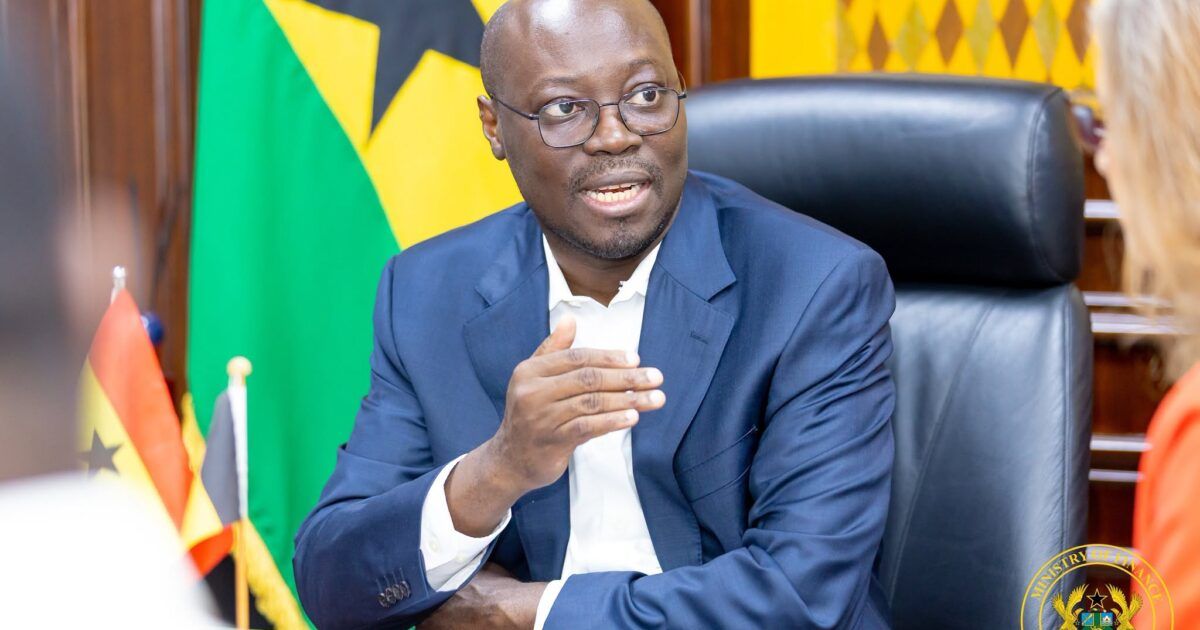
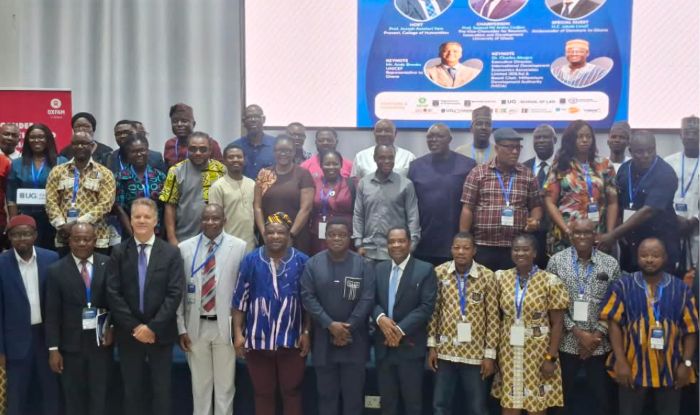
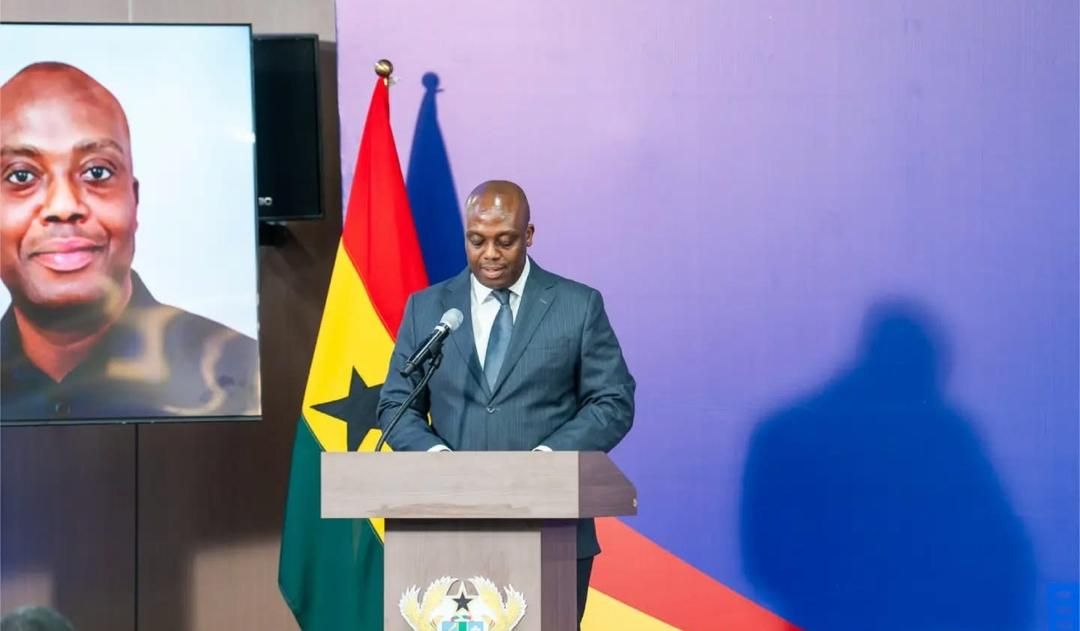
Deputy Minister of Finance Thomas Ampem Nyarko used the inauguration of the National Technical Working Committee for the National Financial Inclusion and Development Strategy 2027‑2031 to call for a shift in priorities. “We have become good at opening accounts. We must now become better at making accounts improve lives,” he said.
Nyarko warned that mere account ownership does not guarantee credit, insurance or other products that underpin business growth and livelihood protection. He cited examples of market women who can receive digital payments but lack affordable credit, and farmers who own mobile money accounts yet have no harvest insurance.
The new strategy will centre financial health, aiming to move from transactions to security, and from inclusion to well‑being. It will target women, youth, farmers, informal workers and small businesses, and will introduce a Financial Inclusion Council and a financial health framework to measure everyday expenses, shock resilience, savings and investment capacity.
Nyarko linked improved financial health to Ghana’s broader economic transformation, noting a 6.2 % growth rate in the first half of 2026 and a drop in inflation to 5.5 % by October. He stressed that a productive economy requires citizens with the tools to realise their potential.
The strategy will also deepen access to investment through reforms such as asset tokenisation, with the Securities and Exchange Commission hosting a dialogue on how emerging technologies can broaden participation in capital markets.
Financial sector regulators, banks, fintechs, insurers, pension providers and development partners have been called upon to support the strategy’s implementation. Nyarko summed up the agenda: “Let us measure our success not only by the number of people we bring into the financial system, but by the number of people whose lives we improve.”