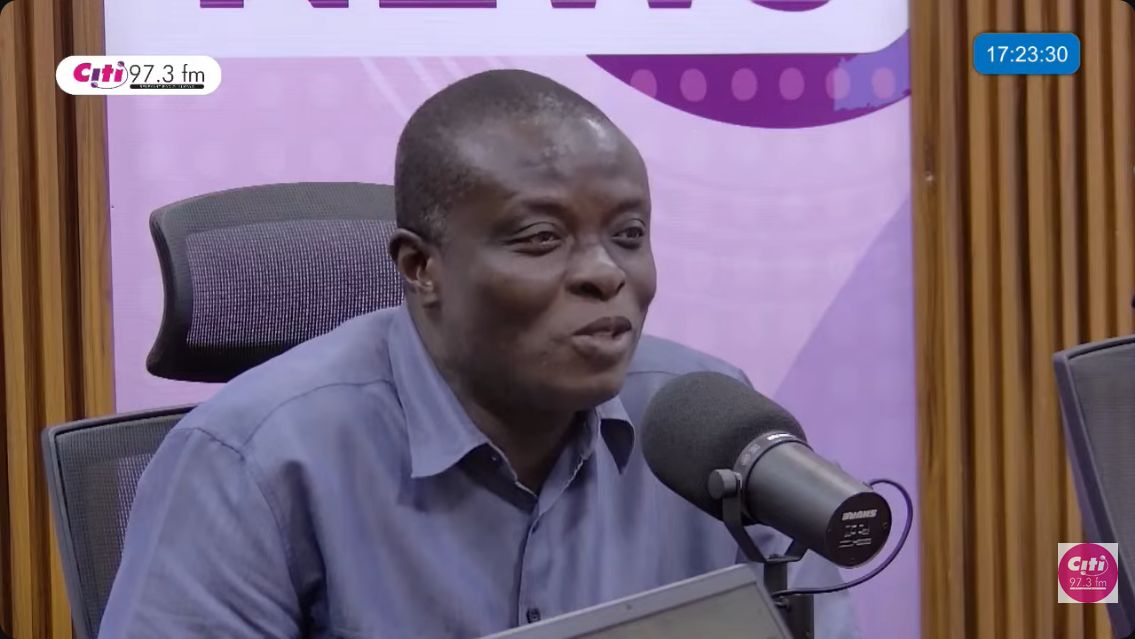

PRETAG president King Ali Awudu said on Eyewitness News that a 20% deprived‑area allowance, negotiated for teachers posted to remote and island communities, has remained on the drawing board since 2009.
Awudu explained the allowance was meant to reward teachers who travel across rivers, walk long distances and work in areas lacking electricity and internet. He noted that the current president, when a candidate, promised to implement the allowance and later directed the Fair Wages and Salaries Commission and the Ministry of Education to do so. Yet, teachers are still waiting as of September 2026.
“If I were to teach in Accra and be considered and paid the same way as a teacher who has to cross rivers, walk under the trees to go and teach in places where there is no electricity, where there is no internet, nobody would wish to go and stay there,” Awudu said. He added that the lack of incentives makes it difficult to attract staff to deprived areas and that teachers face significant transportation and safety challenges, including incidents where boats have capsized.
Implementing the allowance would give teachers in hard‑to‑reach areas an additional 20% of their salary, or roughly 600 cedis on a 3,000 cedi base, according to Awudu. The policy remains one of the unresolved issues cited by GNAT, NAGRAT and PRETAG in their decision to withdraw services from schools.
Teachers and teacher unions continue to press the government for the allowance’s implementation, arguing it is essential for retaining qualified staff in Ghana’s most underserved communities.