President John Dramani Mahama has declared that the successful revival of the Tema Oil Refinery (TOR) disproves the notion that state-owned enterprises are inherently incapable of efficiency and profitability, reaffirming Ghana’s capacity to rebuild and modernize critical national assets.
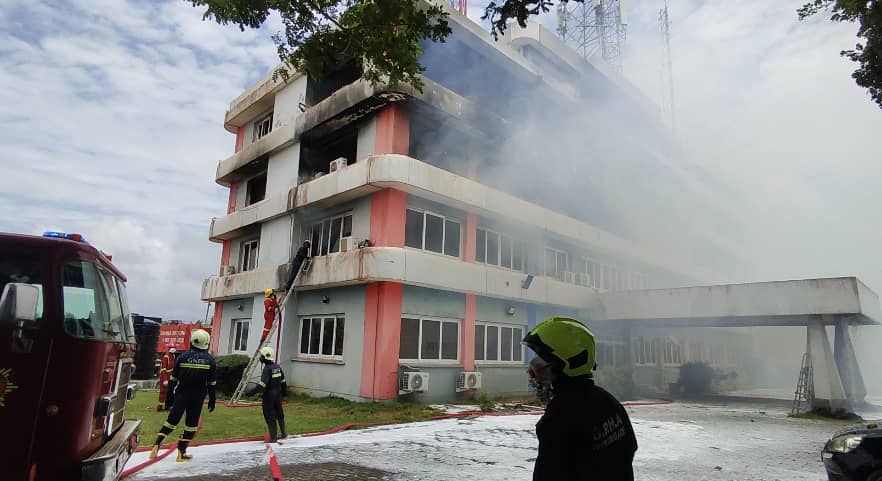
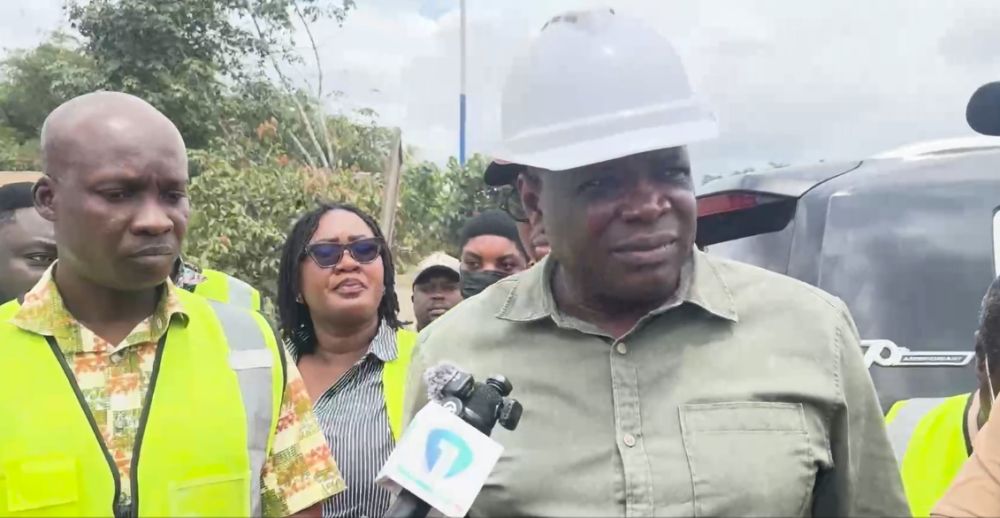
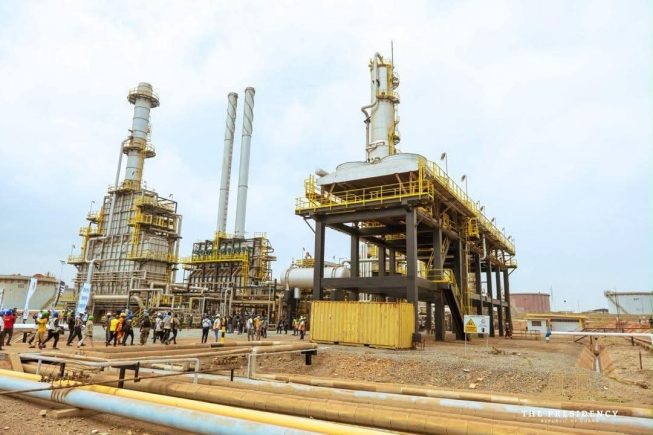
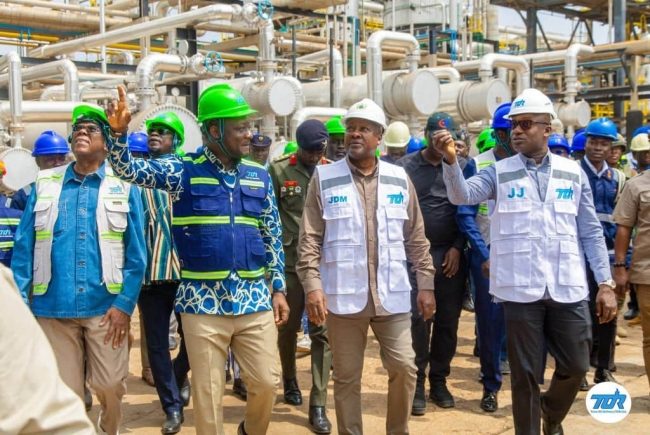
Speaking on Saturday at the refinery in Tema, President Mahama officially commissioned major refurbished units, including the Crude Distillation Unit (CDU), the Residue Fluid Catalytic Cracking Unit (RFCC), a 120-ton steam boiler, and a new F-61 Crude Heater.
The ceremony coincided with the delivery of one million barrels of indigenous Jubilee Medium Sweet Crude to TOR aboard the MT Apache for local refining.
Rebuilding Over Abandonment
Reflecting on TOR’s years of operational halts, mounting debts, and public calls for privatization, President Mahama emphasized that strategic national assets must be preserved and strengthened rather than sold during times of hardship.
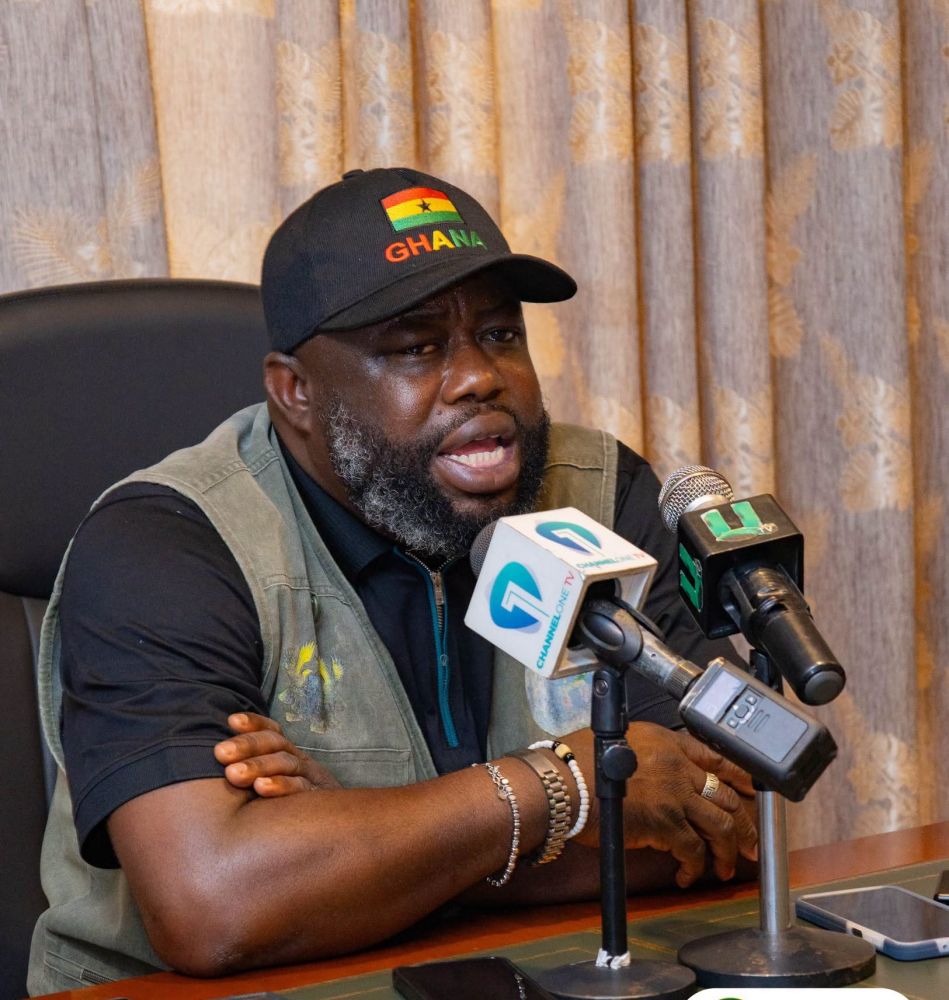
"Today, we celebrate more than engineering success. We celebrate the resilience of a people who chose to rebuild rather than abandon an institution that continues to hold immense strategic value for our nation," President Mahama said.
"Nations do not build prosperity by abandoning strategic national assets whenever they face adversity. You do not sell your birthright because maintaining it has become difficult. You restore it. You strengthen it. You make it work again."
The President noted that TOR's processing capacity has surged from approximately 28,000 barrels per stream day toward its original 45,000 barrels capacity, with a target of reaching 60,000 barrels and a strategic long-term plan to scale up to 100,000 barrels per day.
He highlighted that every barrel processed domestically reduces foreign exchange expenditure on imported petroleum, bolsters energy security, and supports the government’s 24-hour economy initiative and African Continental Free Trade Area (AfCFTA) goals.
Financial Turnaround and Job Creation
The Managing Director of TOR, Edmond Kombat, announced that the refinery achieved a historic financial turnaround, recording a Profit Before Tax of over GH¢1 billion for the 2025 financial year, driven by operational efficiency, strict financial discipline, and reduced receivables.
Mr. Kombat reported that the turnaround maintenance and operational restart on December 19, 2025, generated direct employment for 1,542 Ghanaians, comprising:
300 permanent positions for newly recruited young engineers.
588 temporary roles across CDU and RFCC maintenance projects.
654 temporary jobs engaged through 35 local subcontractors.
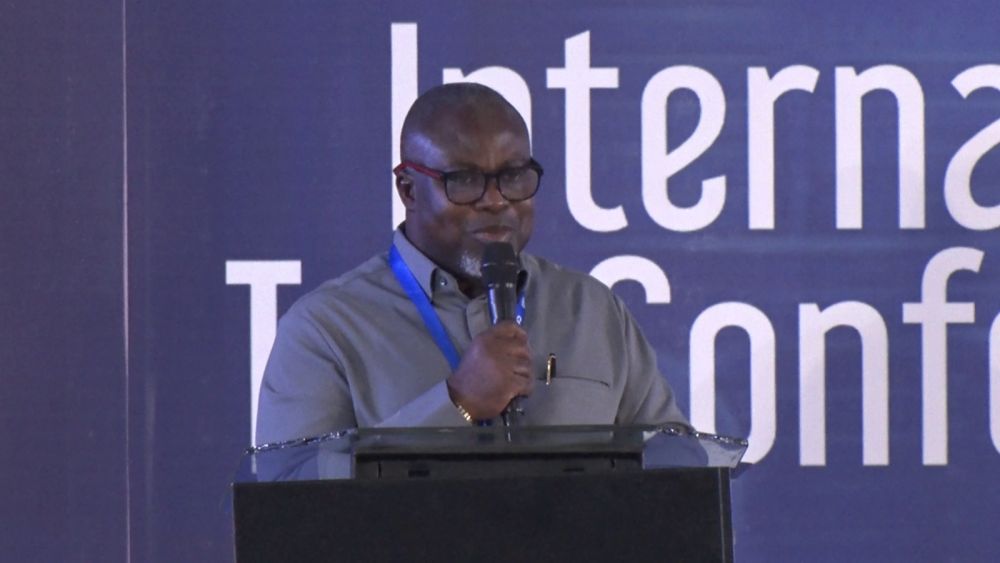
"Today is more than the commissioning of equipment. It is the commissioning of confidence. It is the restoration of national pride," Kombat stated, adding that energy security cannot operate on standard office hours.
Strategic Policy Shifts and Forex Relief
The Minister for Energy and Green Transition, Dr. John Abdulai Jinapor, revealed that President Mahama’s prior decision to halt a proposed US$22 million lease arrangement saved TOR from private takeover and preserved it as a national asset.
Dr. Jinapor further detailed a presidential directive to restructure crude oil payment mechanisms. Under current regulations, local refineries must buy foreign currency to pay for crude oil into the Petroleum Holding Fund. President Mahama has directed the Energy Ministry, the Ministry of Finance, and the Bank of Ghana to structure a new framework allowing TOR and other domestic refineries to pay for indigenous crude in Ghana cedis.
Supported by the Governor of the Bank of Ghana, the shift is expected to ease continuous demand pressure on foreign currency reserves, stabilize the cedi, and lower domestic fuel processing costs as Ghana pursues complete petroleum self-sufficiency.