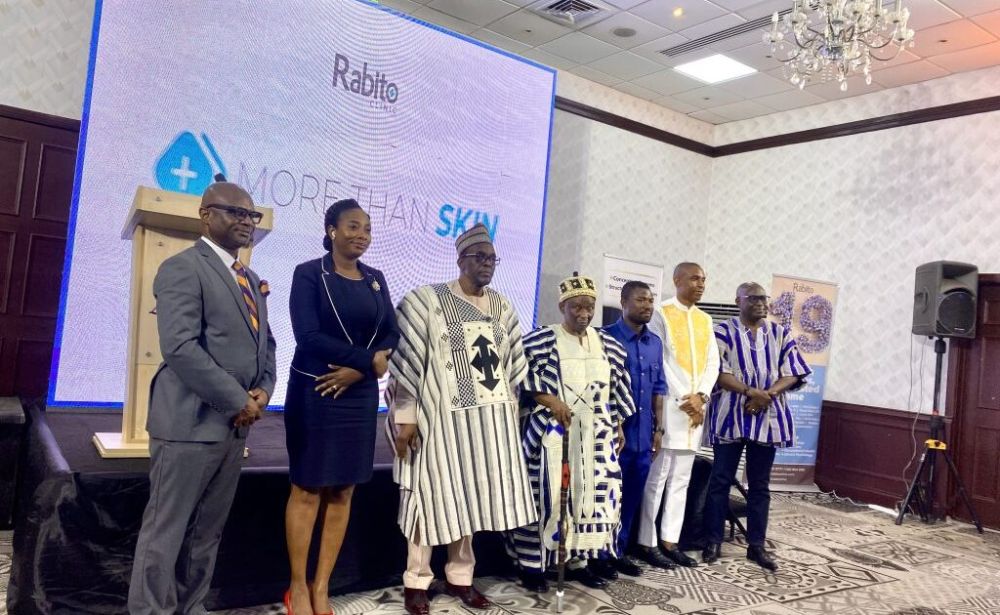
Speaker of Parliament Rt. Hon. Alban Kingsford Bagbin formally re‑inaugurated the African Commission of Health and Human Rights Promoters on Thursday, September 17, and launched the organisation’s Endowment Fund with a personal donation of GH¢100,000. The ceremony, held at the Labadi Beach Hotel in Accra, marked the revival of the Commission, which seeks to renew its focus on healthcare rights, human dignity, accountability and the protection of vulnerable and marginalised groups.
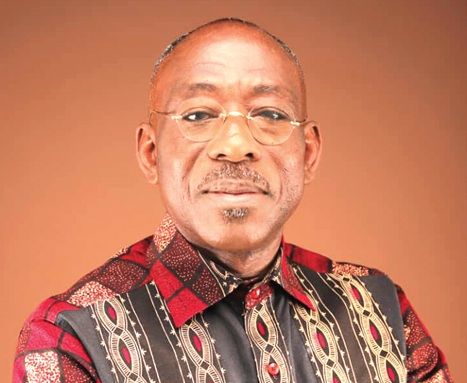
The Commission was founded in 1989 by Naa Professor Edmund Nminyem Delle to address human rights concerns surrounding HIV/AIDS and discrimination against people living with the disease. It later expanded to support those fleeing persecution and torture, including journalists who sought refuge in Ghana. Financial constraints had slowed its activities, prompting the creation of a new foundation to sustain its work.
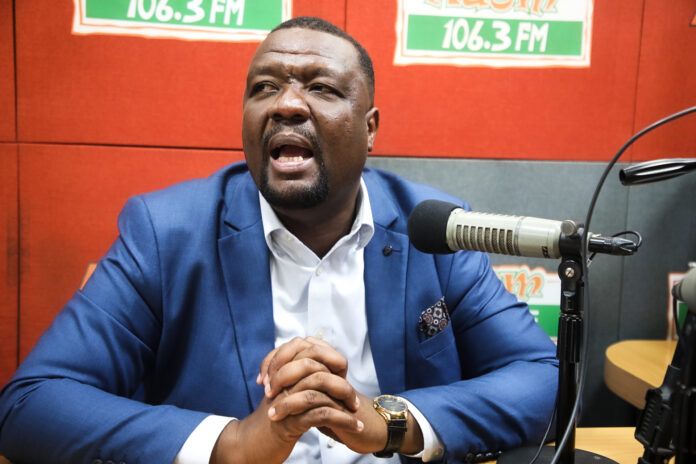
Chief Executive Officer Bishop Louis Christian Godson said the renewed operations will centre on advocacy and education, accountability and redress, and policy integration. The Commission will promote patients’ rights, educate the public on healthcare rights, engage providers, document alleged violations and contribute to policy discussions on health and human rights. Mental health, access to healthcare, health insurance and environmental health will also receive attention.
Godson highlighted illegal mining, or galamsey, as a public health concern and called for stronger research, monitoring and public education on environmental pollution and its effects on communities. The launch of the Endowment Fund is intended to provide sustainable financing for the Commission’s programmes, with a long‑term target of raising US$10 billion within five years to support research, legal aid, environmental testing, monitoring and other interventions.
Speaker Bagbin stressed the importance of institutions that bridge the gap between policymakers and the realities faced by citizens. He likened an institution without adequate resources to a vehicle without fuel and cited healthcare interventions, such as dialysis services, as examples that could benefit from dedicated financing mechanisms.
The re‑inauguration brought together policymakers, civil society representatives, health professionals, human rights advocates and other stakeholders to discuss the intersection of health, human rights and social justice. The Commission will now place particular emphasis on people whose access to healthcare and human rights protections may be affected by poverty, discrimination, disability, social exclusion and other vulnerabilities.
Looking ahead, the Commission plans to strengthen research and public education as part of its renewed mandate, providing a new platform to expand its health and human rights advocacy work in Ghana and beyond.