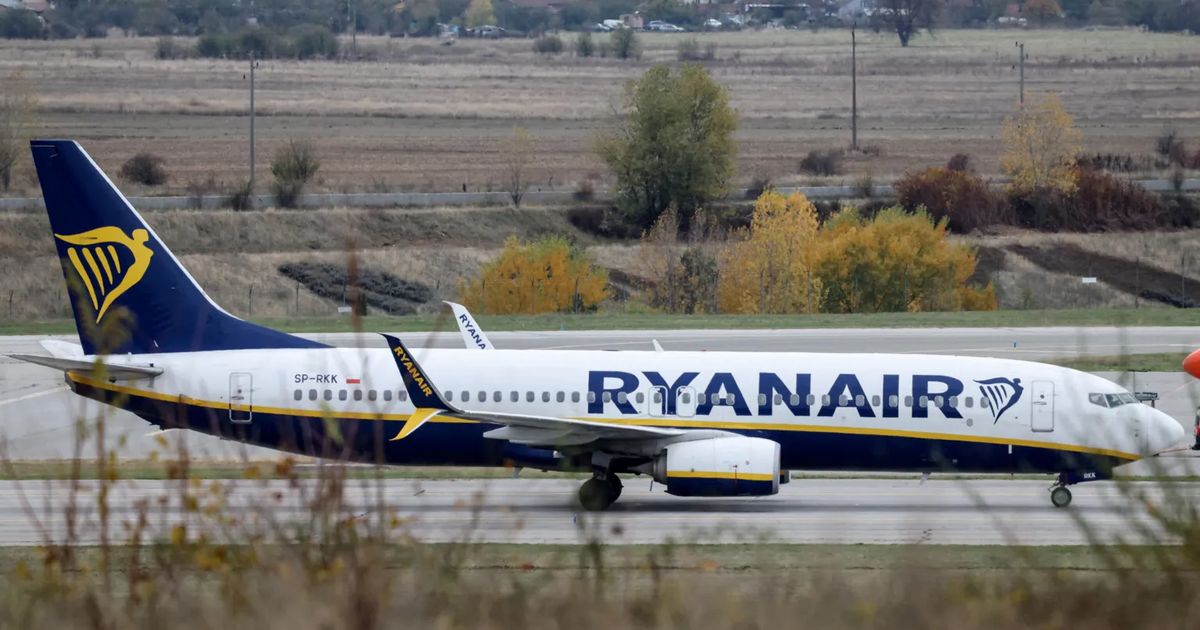
In the past four days, 32 bomb threats have targeted 12 airlines, prompting emergency responses that included military jet escorts, mid‑air inspections, and rerouting to alternate airports, sometimes across borders.
All threats proved to be hoaxes, yet each was taken seriously enough to trigger protocols that diverted flights, grounded aircraft, and mobilised sniffer dogs and specialist teams on the tarmac.
Marco Chan, a former commercial pilot and aviation expert at Kingston University, explained that airlines follow a triage system but treat every threat as potentially real until proven otherwise. “That could involve a mid‑air inspection, but definitely a search once the plane has landed,” he said. “Passengers might not even know there is an issue until they are told to disembark.”
Paul Mason, an aviation security expert, noted that while the financial cost of diverting a few hundred planes a day is dwarfed by routine technical or weather‑related diversions, the cumulative impact of hoaxes still strains resources. He added that customers are unlikely to receive refunds, as the incidents are not the airlines’ fault.
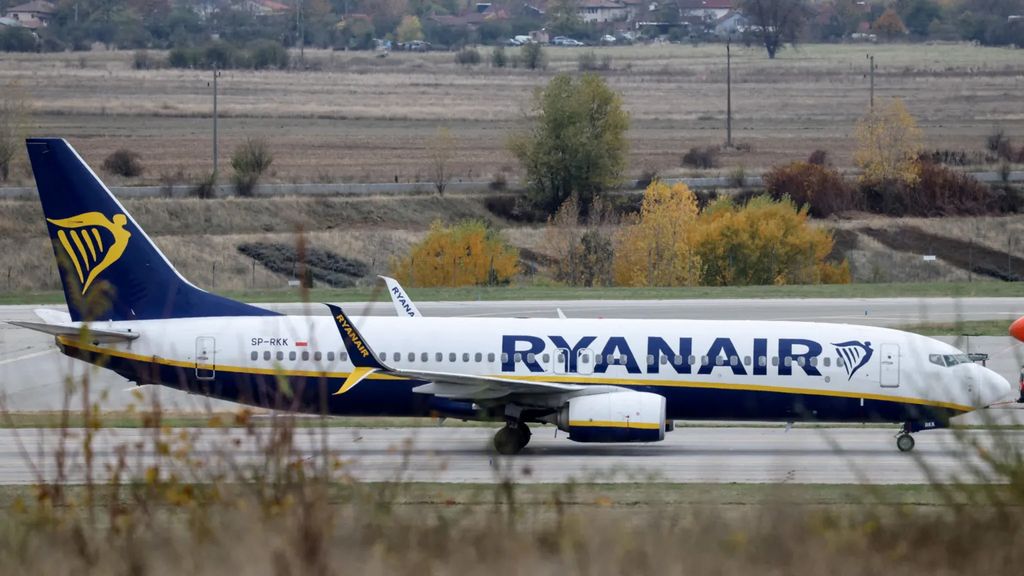
The origin of the threats remains unclear. Emails claimed responsibility by an extremist misogynist group, a claim the group’s founder denied. Mason suggested the pattern could reflect hybrid warfare tactics, noting that such attacks are “very easy to create disruption and chaos, with plausible deniability.”
The Aviation Security Act 1982 criminalises the intentional transmission of false information that endangers aircraft safety, carrying a maximum penalty of life imprisonment. Mason warned that while some may view the act as a joke, sophisticated perpetrators risk being traced and imprisoned.
With no clear intelligence on the perpetrators, airlines and airports continue to operate under heightened alert, preparing for any future threats while hoping the current wave of hoaxes subsides.