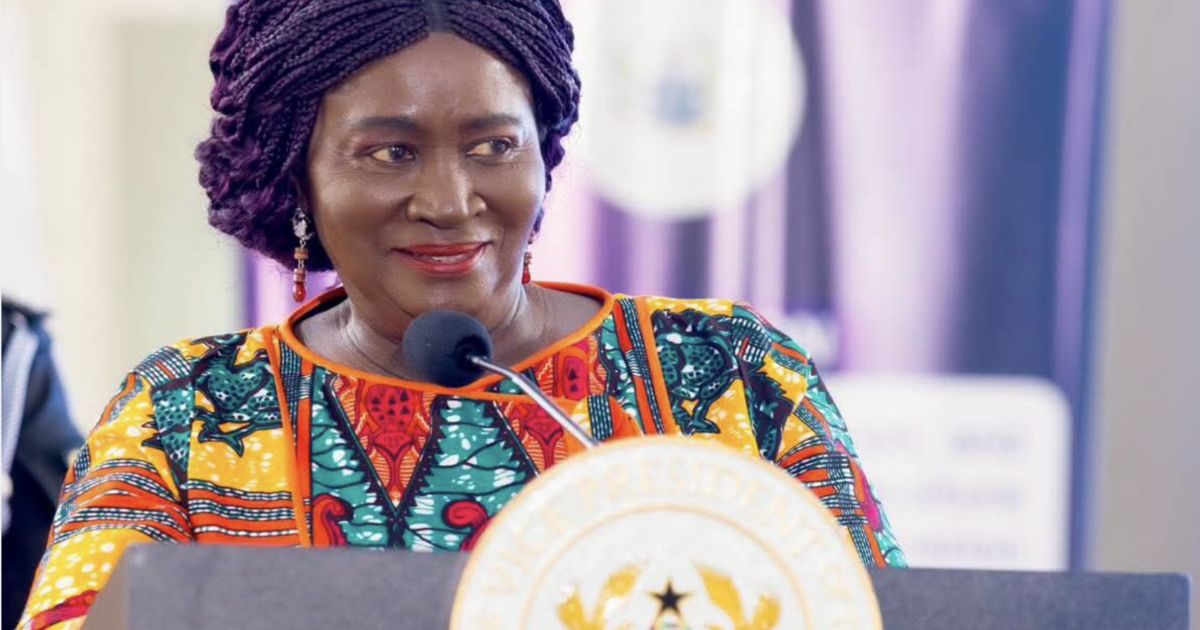
Vice‑President Prof. Naana Jane Opoku‑Agyemang called for urgent action to safeguard Ghana’s inland fisheries, warning that illegal mining, destructive fishing practices and climate change are increasingly threatening aquatic resources and the livelihoods that depend on them.
She said pollution from illegal mining, the destruction of fish breeding grounds and poorly managed waste disposal were undermining aquatic ecosystems, threatening water quality and raising concerns about the safety of fish consumed by the public.
Speaking at the 2026 National Inland Fisheries Conference in Sunyani, part of the celebrations for World Fisheries Day, the Vice‑President singled out Volta Lake as a critical resource for fishing communities and urged stronger measures to protect its waters.
Opoku‑Agyemang warned that pressure on breeding and nursery grounds, coupled with unsustainable fishing practices, could erode the long‑term productivity of inland water bodies if conservation measures are not implemented.
She also highlighted the exploitation of children in hazardous fishing activities, insisting that protecting young people must remain a priority in fisheries development.
"Protecting children must remain an integral part of our fisheries development agenda," she emphasised.
The Vice‑President stressed that tackling these challenges requires more than conservation; it calls for stricter enforcement of fisheries regulations, responsible resource management and increased investment in fishing communities.
She identified the Fisheries and Aquaculture Act, 2025, as a key legislative instrument for improving governance, conservation and management of the sector, and urged effective implementation of the National Inland Fisheries Management Plan, which promotes science‑based management, protection of breeding areas, improved monitoring and greater community participation.
The Ministry of Fisheries and Aquaculture is urged to strengthen collaboration with the Fisheries Commission, traditional authorities, local government institutions and other stakeholders to turn conference recommendations into practical interventions.
Beyond environmental concerns, Opoku‑Agyemang noted that improving fishing communities’ livelihoods will require investment in infrastructure to enhance fish preservation, processing and marketing.
Government plans include transforming selected jetties and wharves into integrated fishing villages with improved landing facilities, cold storage, fish processing centres and organised markets. A modern fish market is planned for Dambai to improve hygiene, handling, storage and trading conditions, while a dedicated fish market in Accra will serve traders transporting fish from Volta Lake and other inland communities.
Enhanced facilities, access to finance and skills development will help communities move beyond primary fishing activities and explore opportunities in aquaculture, fish processing and related businesses.