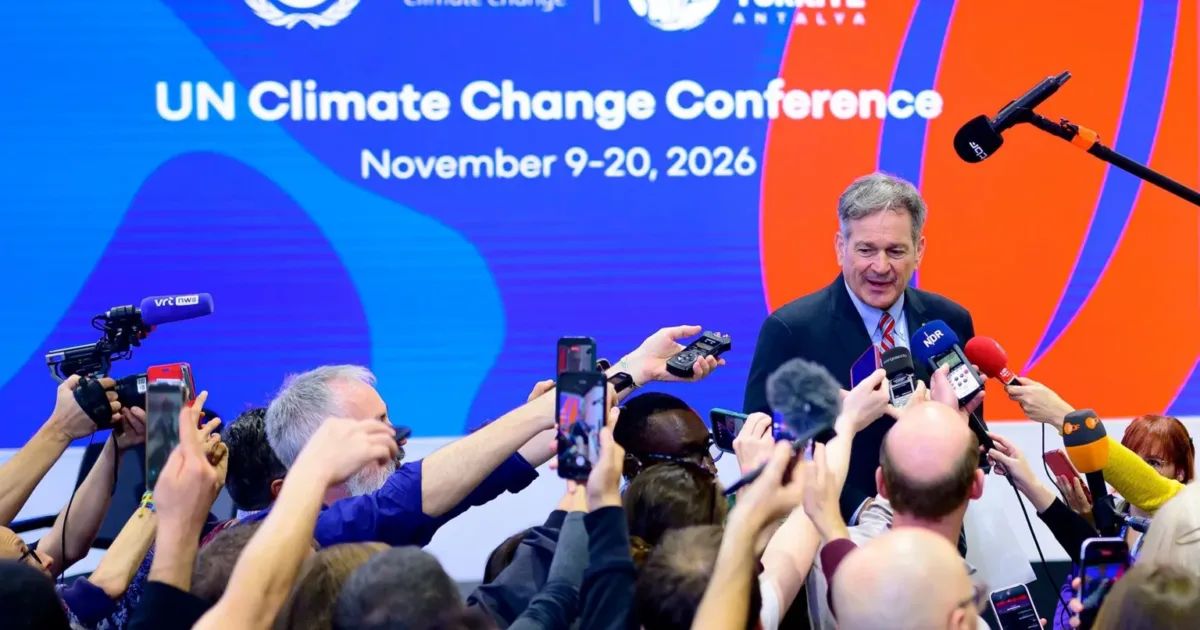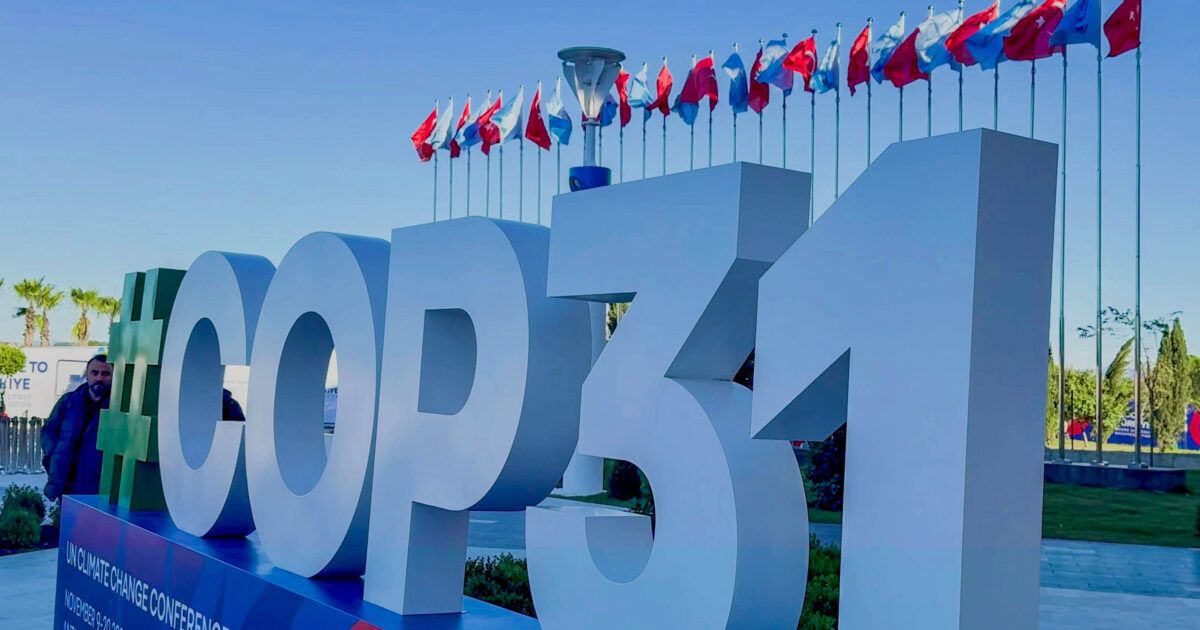
At the 31st Conference of the Parties to the United Nations Framework Convention on Climate Change, held in Antalya, Turkey, negotiators have pushed the talks beyond the November 20 deadline, leaving the future of a global climate agreement uncertain.
Nearly 200 countries gathered with divergent economic interests, political priorities and expectations, and the talks have split over how to treat fossil fuels, the scale of climate finance for developing nations and the direction of future global action.
The dispute has raised doubts about the ambition of the proposed outcome, especially after an earlier draft removed explicit references to moving away from fossil fuels. Climate finance for developing countries remains a major point of disagreement, echoing the stalemate that halted progress at COP6 in The Hague in 2000.
That earlier conference, which ran from 13 to 25 November 2000, was meant to resolve key questions about implementing the Kyoto Protocol but ended without agreement. The current impasse at COP31 could signal a similar diplomatic breakdown or, alternatively, pressure that forces a compromise.
Key points of contention include the use of carbon sinks, such as forests and land‑based systems, and the extent to which they can count toward emissions targets. The United States and some other countries favour greater flexibility, while European nations warn that excessive reliance on such credits could dilute real emissions reductions from industry and energy.
Other disputes revolve around emissions trading, Joint Implementation and the Clean Development Mechanism, and the principle of supplementarity—whether industrialised countries should rely primarily on domestic reductions or can use international mechanisms to meet targets.
Compliance mechanisms also remain unresolved. Negotiators must decide what happens when a country fails to meet its commitments, how compliance is assessed, and whether the system should impose consequences or rely on facilitative measures.
Developing countries have consistently highlighted the need for robust climate finance, arguing that without adequate funding, they cannot meet their adaptation and mitigation obligations. The lack of consensus on financing threatens to undermine the credibility of any agreement reached.
As the conference continues, observers watch to see whether the pressure of a looming deadline will force parties into a compromise or whether the stalemate will persist, potentially setting a new precedent for future climate negotiations.