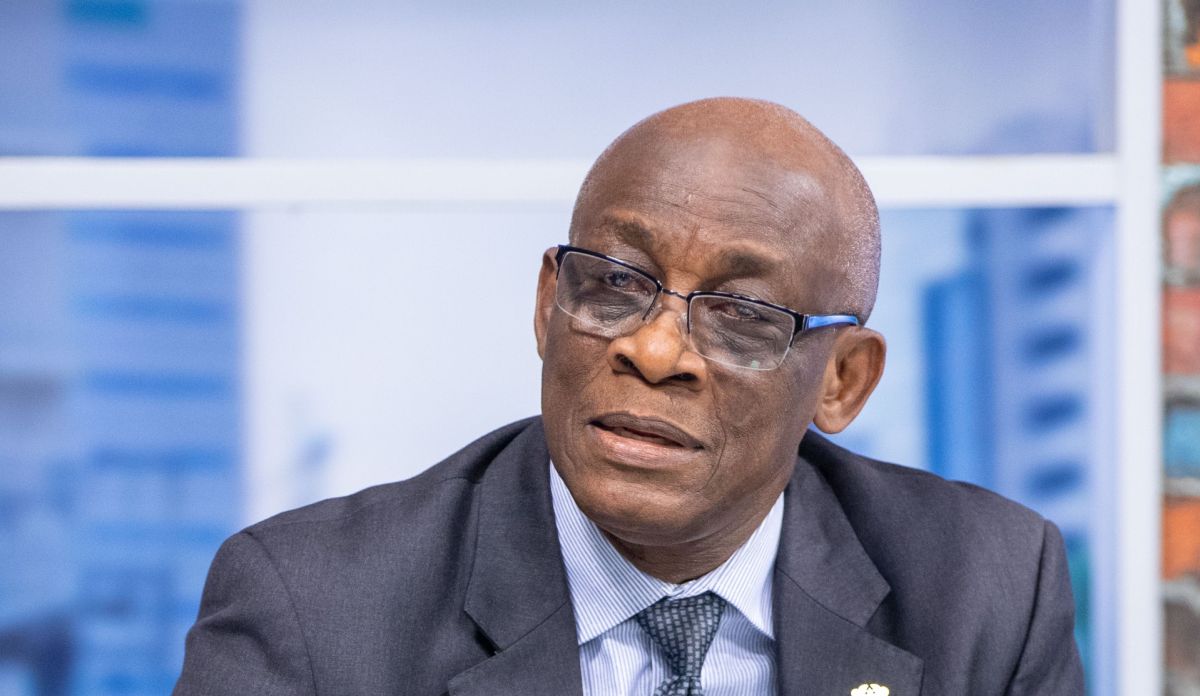
Presidential Adviser on the Economy Seth Terkper called on the Association of Ghana Industries (AGI) to work with government, financial institutions and development agencies to translate Ghana’s New Economy Agenda into tangible industrial outcomes. The four‑year programme, covering 2027 to 2030, was designed to move the country beyond stabilisation and recovery toward production and value addition.
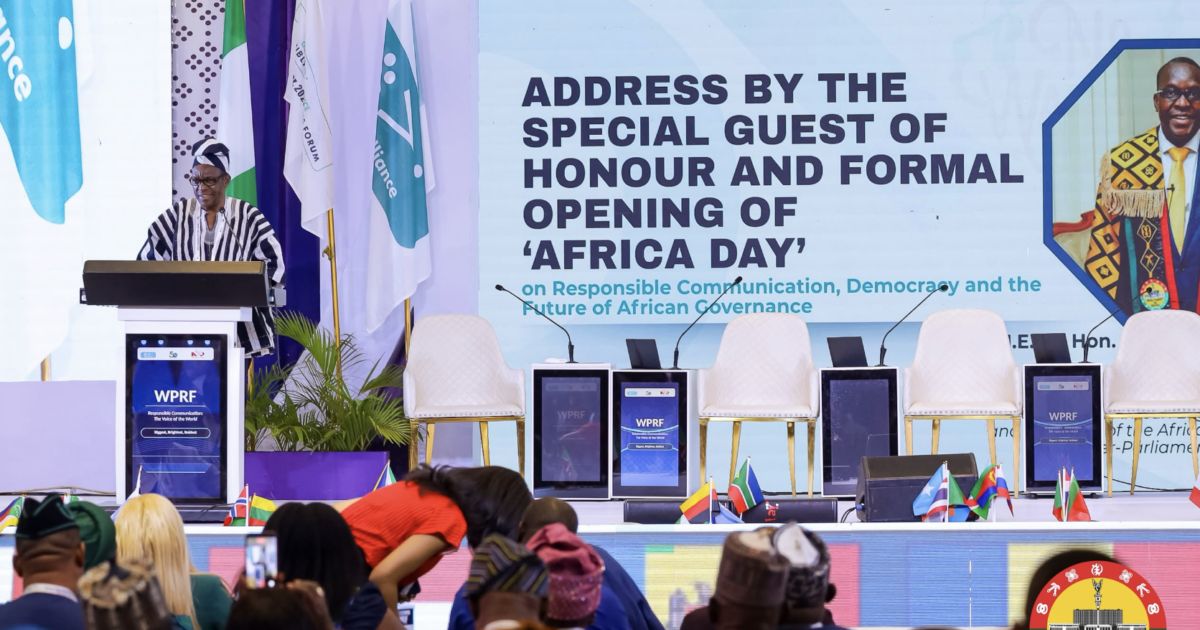
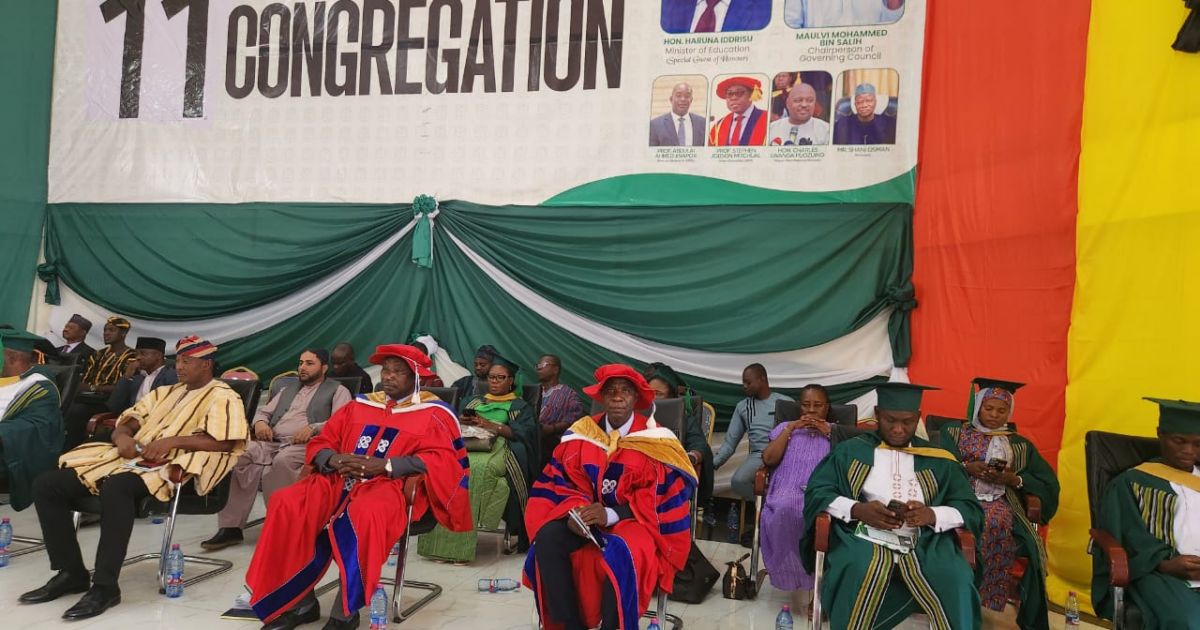
Speaking at AGI’s 66th Annual General Meeting, held in partnership with the United Nations Industrial Development Organisation to mark African Industrialisation Day, Mr Terkper highlighted that the agenda seeks to build a competitive, inclusive and sustainable industrial economy capable of creating jobs, improving incomes and generating lasting value from Ghana’s natural resources.
The 2027 Budget has earmarked GH¢10 billion for the initiative over four years, an initial allocation equal to 1.5 per cent of GDP. The programme is expected to expand productive capacity, support businesses, increase exports and create employment opportunities.
Mr Terkper stressed that sustaining Ghana’s economic recovery will require increased productive investment and a stronger industrial base, backed by responsible borrowing and sound debt management. He urged the country to maintain its debt‑repayment record and strengthen domestic capital markets to attract long‑term financing for industrialisation and private‑sector growth.
He cited Ghana’s return to the international capital market with a US$1.5 billion bond issuance at an 8.375 per cent interest rate as evidence of the country’s ability to rebuild investor confidence. The domestic bond programme was also highlighted as a way to mobilise local savings for national development, while cautioning that lessons from past debt defaults and restructuring must inform future borrowing.
Meanwhile, a speech read on behalf of Trade, Agribusiness and Industry Minister Elizabeth Ofosu‑Adjare noted that the government is working to secure long‑term, competitive financing to accelerate industrialisation and support sustainable economic growth. She said short‑term lending arrangements were unsuitable for long‑term industrial investments.
AGI President Kofi Nsiah‑Poku called for credit guarantees, working capital and investment funding to support SMEs, especially those modernising machinery, automating operations and adopting digital technologies. He also advocated financing for energy efficiency, renewable energy and cleaner production to keep Ghanaian industries competitive internationally.
Mr Nsiah‑Poku urged Ghana to shift from an economy largely dependent on imports toward one that produces, processes and exports more locally manufactured goods, and called on public institutions and private‑sector organisations to prioritise made‑in‑Ghana products in their procurement activities.
What follows is a coordinated effort between industry, government and finance to turn the New Economy Agenda into real industrial growth and job creation by 2030.