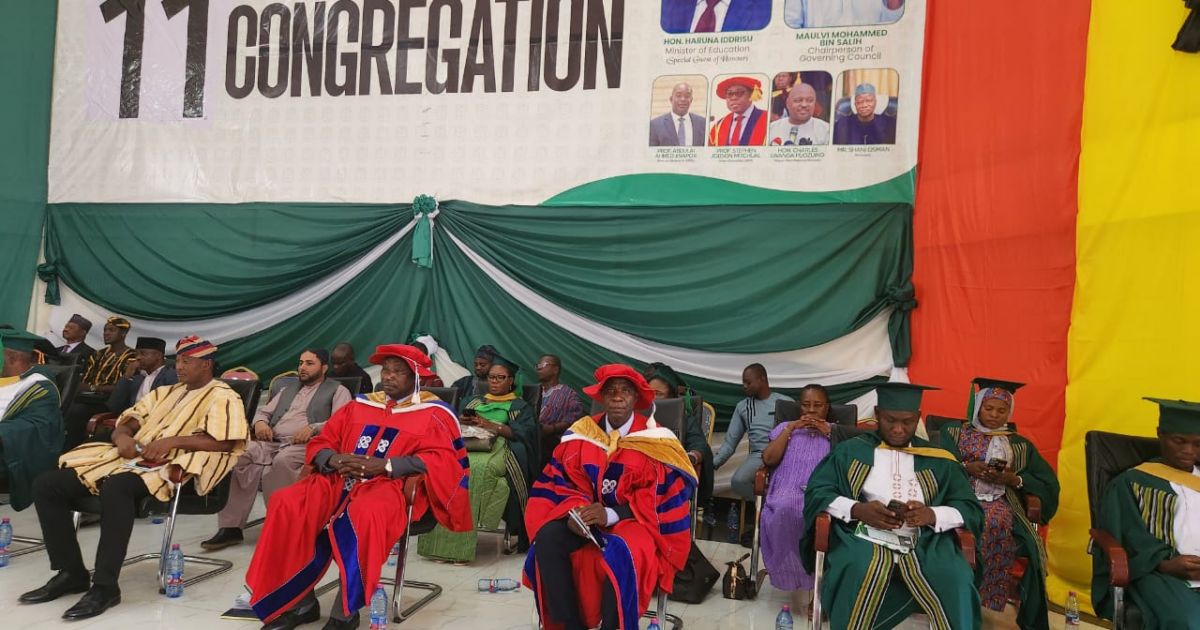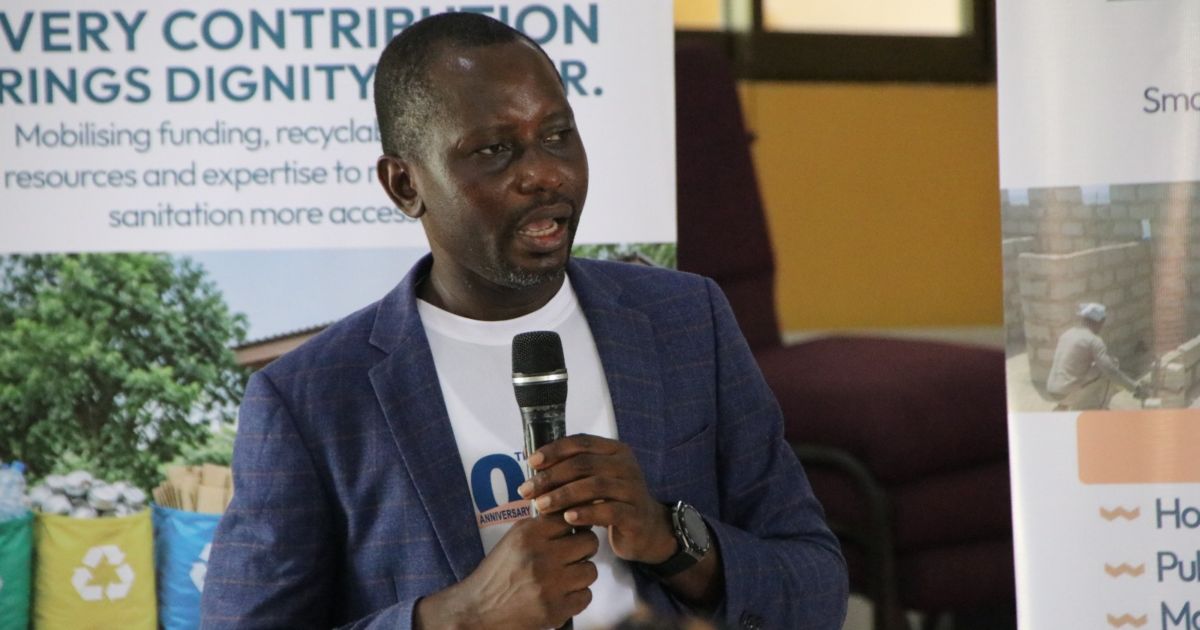
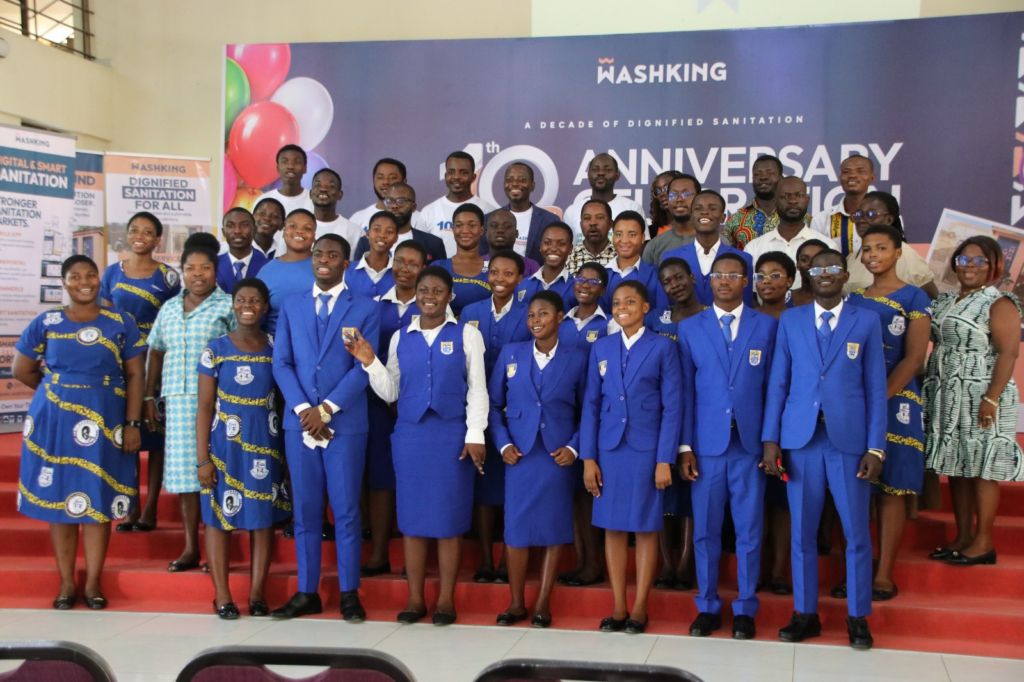
On Friday, November 20, 2026, Washking Limited celebrated its tenth anniversary at Heritage Christian University College in Amasaman, Ghana. The company, which began with a single toilet construction project, has now installed more than 1,000 sanitation facilities and served over 8,000 people across the country.
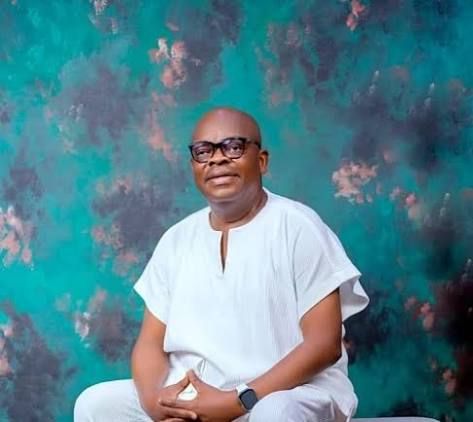
Dieudonne Kwame Agudah, the founder and chief executive officer, highlighted the firm’s growth during the event. He noted that early projects included toilet repairs, desludging and work linked to the Greater Accra Metropolitan Area sanitation programme, which helped build the company’s capacity and reputation.
“Washking did not start with a fleet of vehicles, a boardroom, or large funding. It started with one opportunity: to build one toilet. We did the work. We reinvested what we earned. We used that first opportunity to prepare for the next,” Agudah said.
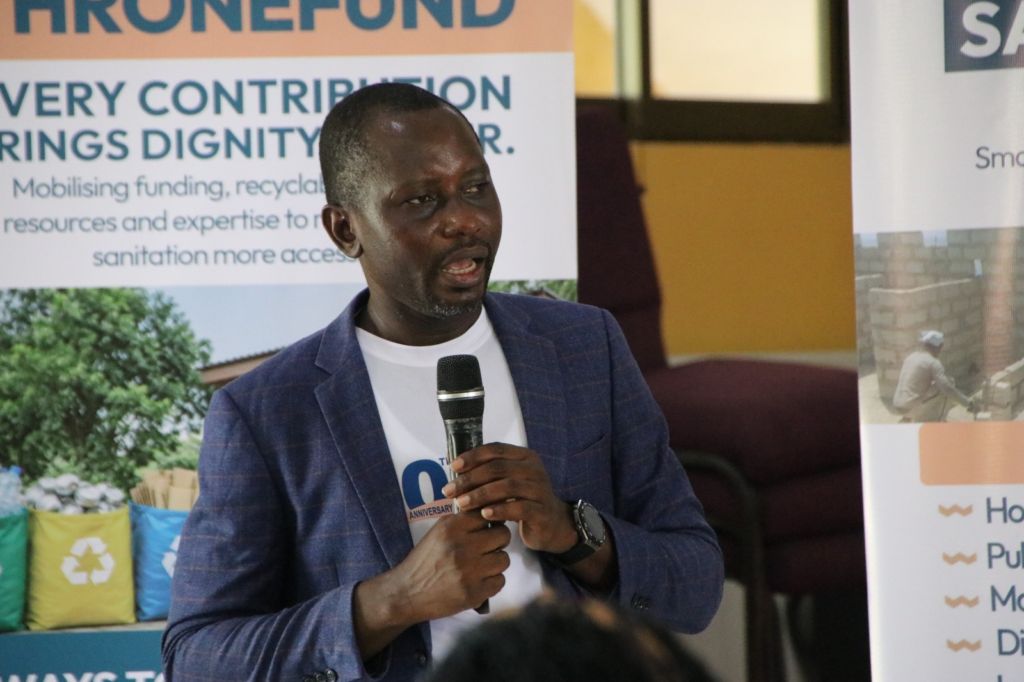
The CEO explained that the company’s expansion was driven by discipline, skills development, integrity and support from people and institutions willing to create opportunities for emerging businesses. He acknowledged financial pressures, setbacks and operational delays that taught lessons in trust and people management.
Impact assessments carried out over the years estimate that Washking’s interventions have saved nearly 1.4 million hours that people would otherwise have spent travelling to public toilets. The assessments also show that more than GH¢329,000 has been earned by artisans and over GH¢737,000 generated in sales for local suppliers, amounting to more than GH¢1 million in combined local economic activity.
In addition to service revenue, the firm has mobilised over $1 million in external funding and support, including contributions from Grand Challenges Canada and recognitions such as the SEED Award and the Empowering People Award. Washking has also benefited from programmes like the Toilet Board Coalition Accelerator and UNICEF StartUp Lab.
Looking ahead, Agudah said the next phase will focus on improving access to sanitation for lower‑income households that struggle to pay for facilities upfront. The company is exploring flexible payment arrangements, improved after‑sales services and other approaches to make sanitation solutions more financially accessible. “Financial access will remain central, not an afterthought,” he said.
Agudah also announced plans to strengthen Washking’s management and technical teams, governance structures, operational systems and logistics to enhance service delivery. He called for greater collaboration among government, businesses, development partners and young people to address sanitation challenges in Ghana, stressing the need for engineers, technicians, designers, finance specialists, software developers, teachers and community leaders.
The company’s vision is to contribute to a Ghana where children have safe toilets in schools, women and girls have access to privacy and dignity, and households are protected from exposure to human waste and preventable diseases such as cholera. He urged students attending the anniversary event to develop their skills, embrace integrity and seize opportunities to contribute to national development.
“The door somebody opened for us must not close behind us. Our first decade proved what one opportunity can begin. Our next decade is about what we can build together,” Agudah concluded.