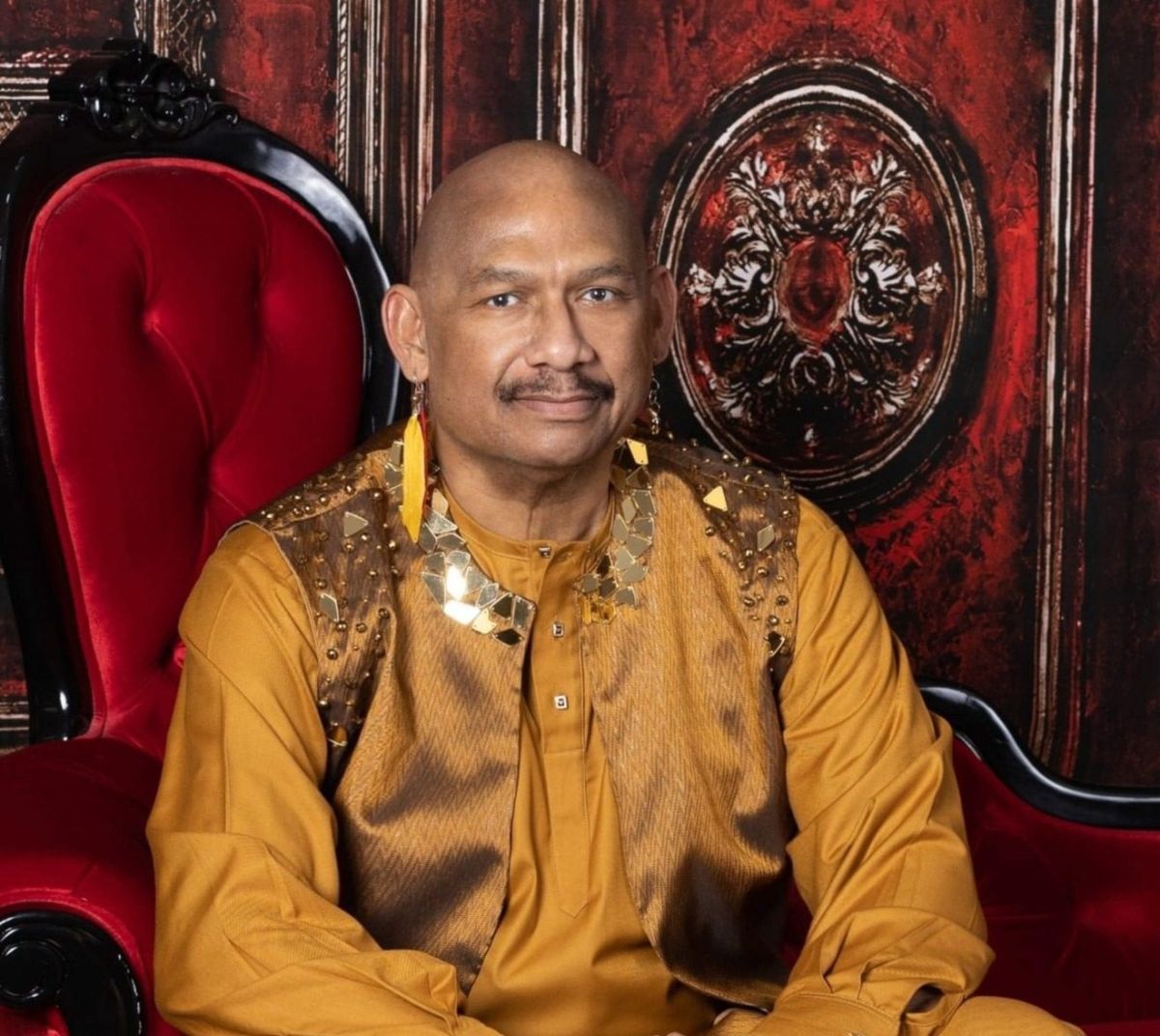
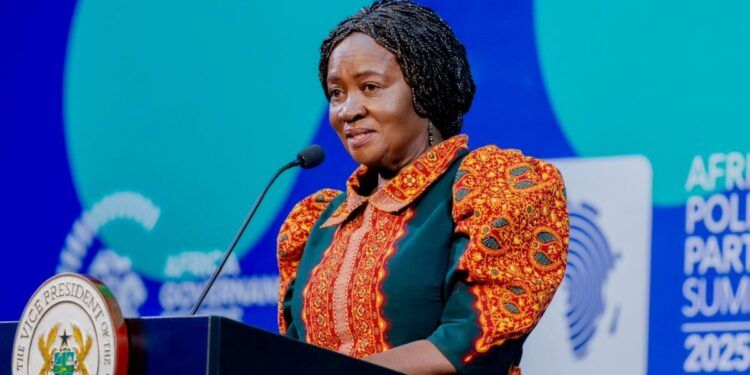
Vice President Professor Naana Jane Opoku‑Agyemang addressed a ceremony in Accra, urging a comprehensive overhaul of how the transatlantic slave trade is taught in Ghanaian schools. She highlighted the importance of presenting both the devastation caused by slavery and the resistance and agency of African peoples.
Speaking after the adoption of UN General Assembly Resolution 82/50, which recognised the enslavement of Africans as the gravest crime against humanity, the Vice President said education now carries a duty to reflect this historic acknowledgment. “Our young people should understand how the trade operated, how it shaped societies on both sides of the Atlantic and why its consequences remain part of international discussion today,” she said.
Opoku‑Agyemang rejected a narrative that portrays Africans solely as victims, stressing that “Africans were more than the people to whom enslavement happened.” She cited examples of resistance, such as communities in Assin Manso, Sankana and Golu, where oral traditions, written records, architecture and the landscape preserve memories of the period.
She called for a deliberate effort to recognise African agency within history lessons and to link the subject to broader conversations on reparatory justice. The Vice President acknowledged that the UN resolution cannot undo centuries of injustice, but it provides a foundation for continued dialogue and practical steps toward justice.
Ghana’s government is now focusing on education, preservation, restitution, legal pathways and sustained international engagement to advance reparatory justice, following the UN resolution.