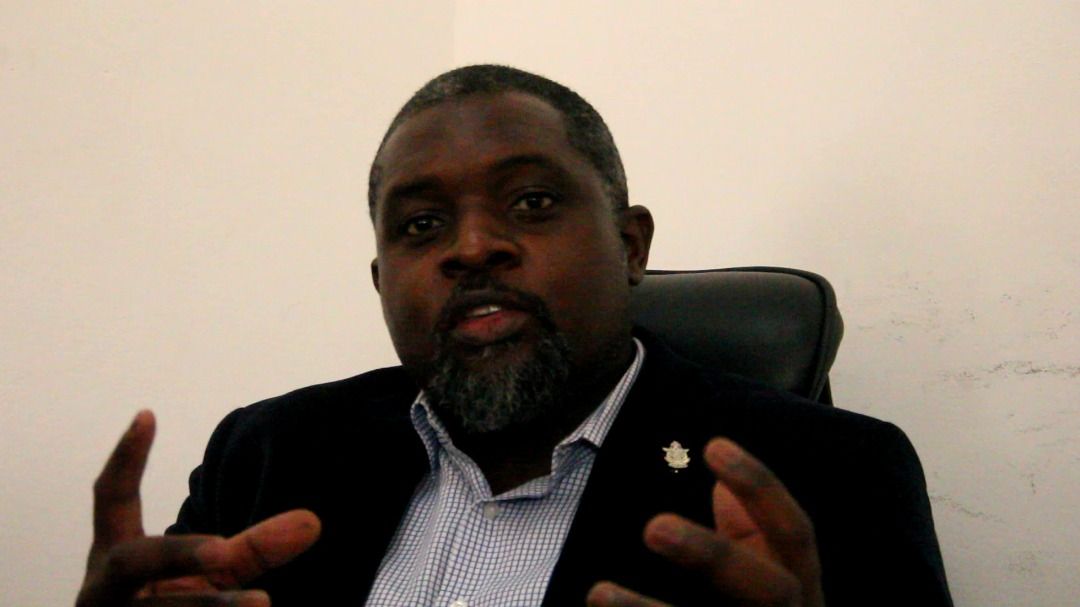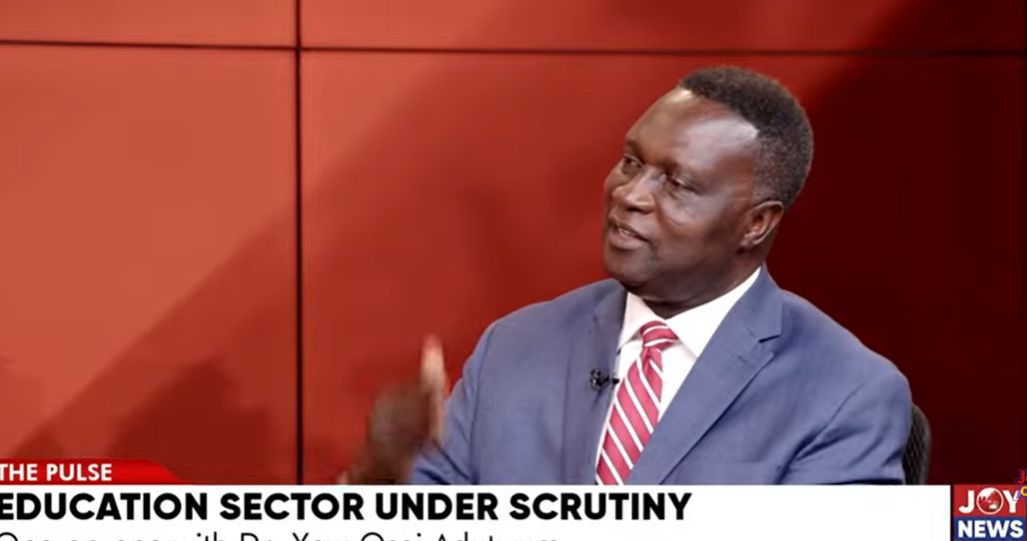
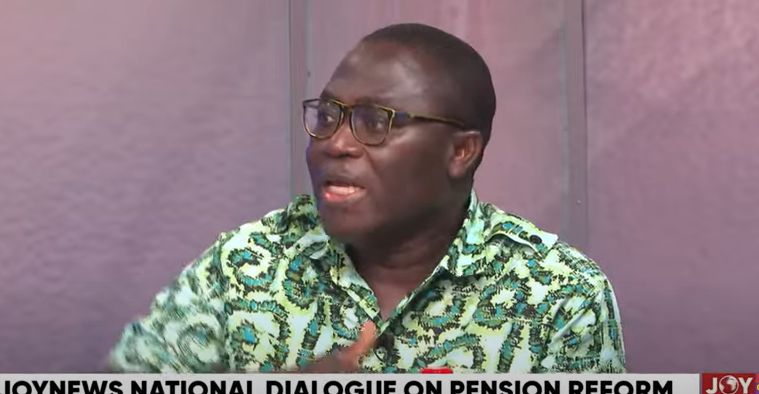
Deputy Secretary General of the Trades Union Congress, Dr Kwabena Nyarko Otoo, said Ghana’s persistent energy‑sector challenges are partly due to the contractual arrangements with Independent Power Producers (IPPs). He raised concerns over the government’s decision to commission an International Monetary Fund (IMF) assessment of the Electricity Company of Ghana (ECG) while organised labour opposes private‑sector participation in the state‑owned firm.
Speaking on JoyNews’ Newsfile, Dr Otoo called the move “difficult and strange”, noting that the IMF has consistently advocated reforms that would increase private participation in public entities. He added, “I even find it difficult and strange that the Ghana government will ask IMF to do this, the IMF that wants to see all public state entities privatised.”
Dr Otoo stressed that workers and their representatives have first‑hand knowledge of ECG’s operational challenges and should be consulted before any assessment. He questioned why the IMF assessment was carried out without engaging ECG workers or the TUC, saying, “The IMF is pushing for the privatisation of ECG and at a time when TUC and all organised labour groups are against it, you go and ask the IMF to do an assessment of ECG, and they did not even talk to the workers of ECG; they did not even talk to the TUC.”
He argued that discussions about the energy sector must look beyond ECG’s performance to the contractual framework governing power generation. “The IPP contractual arrangement is part of the problem we are facing in this country when it comes to the energy sector,” he said.
The TUC and other labour groups have opposed privatisation, while the government insists reforms are needed to tackle inefficiencies and financial losses. Dr Otoo maintains that any ECG assessment and reform proposals should incorporate workers’ perspectives and the wider contractual and financial arrangements that have shaped Ghana’s energy sector. He warned that focusing solely on ECG risks overlooking other structural factors, particularly the agreements with IPPs that have imposed significant financial obligations on the state.