ISSER’s 2025 State of the Ghana Economy Report highlighted a mixed picture for the country’s key sectors. Agriculture, the backbone of food security and rural livelihoods, showed encouraging gains but unevenly across regions and commodities. The research institute from the University of Ghana stressed that sustaining growth will hinge on boosting productivity, expanding irrigation, mechanisation and extension services, and tightening crop yields.
Improving storage, processing, transport and market access to cut post‑harvest losses was identified as a critical lever to strengthen value chains and raise producer returns. “Agriculture remains central to Ghana’s food security, rural livelihoods and agro‑industrial development; therefore, stronger agricultural growth can improve food availability and support economic activity,” the report noted.
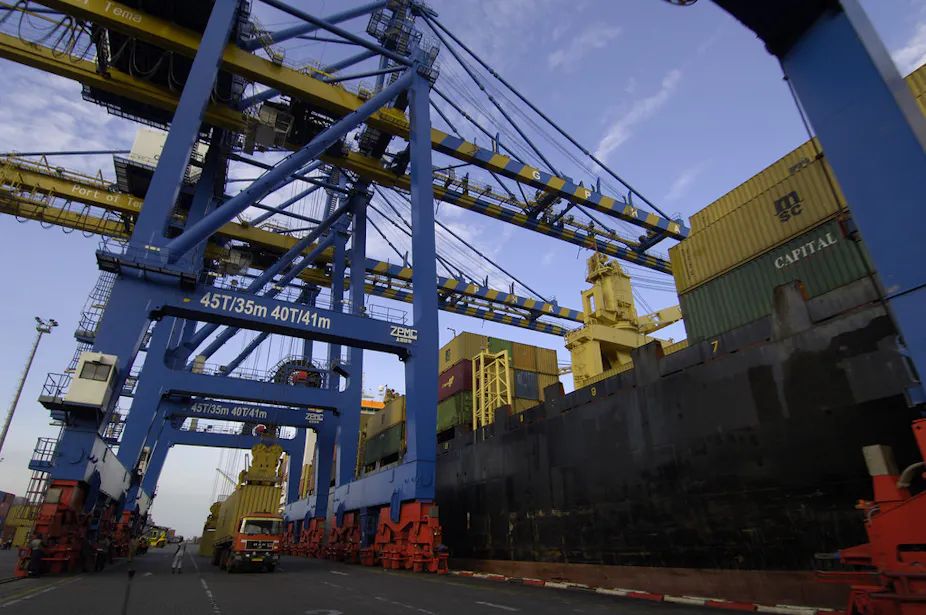
However, ISSER cautioned that aggregate growth may mask weaknesses in individual commodities. In the industrial arena, the report warned of a slowdown in 2025 that underscores the need to translate mineral sector strength into broader industrial development. Competitive manufacturing and greater domestic value addition were called for, alongside measures to reduce production and financing costs, improve infrastructure and support investment in value addition.
Energy security and efficiency were also flagged as priority areas, with recommendations to address electricity sector financial and operational weaknesses, strengthen domestic gas supply and expand renewable energy. In the services sector, modern services such as ICT, finance and logistics were highlighted for their potential to raise productivity, while education and healthcare were seen as essential for human capital development.
ISSER concluded that the quality, accessibility and productivity of services matter as much as their expansion, and that rapid growth in services does not automatically translate into productive employment or better service delivery.
What follows is a call for policy makers to adopt a holistic approach that balances agricultural productivity, industrial competitiveness and service quality to sustain Ghana’s economic trajectory.