Minister for Transport Joseph Bukari Nikpe warned that Ghana’s ports are facing a sharp rise in container volumes, up almost 100 per cent, an increase never seen in the past two decades. The surge has strained operations at the Meridian Port Services (MPS) terminal in Tema, raising fears of longer clearance times and a dent in Ghana’s standing as a regional trade hub.
Industry observers point to persistent system outages at the MPS terminal as a key factor, forcing some cargo to be diverted to off‑dock facilities and further aggravating congestion. Nikpe said the government is working to remove containers that have overstayed at the port, directing the Ghana Ports and Harbours Authority (GPHA) to compile a list of such vessels for hand‑over to the Ghana Revenue Authority, which will confiscate and auction them.
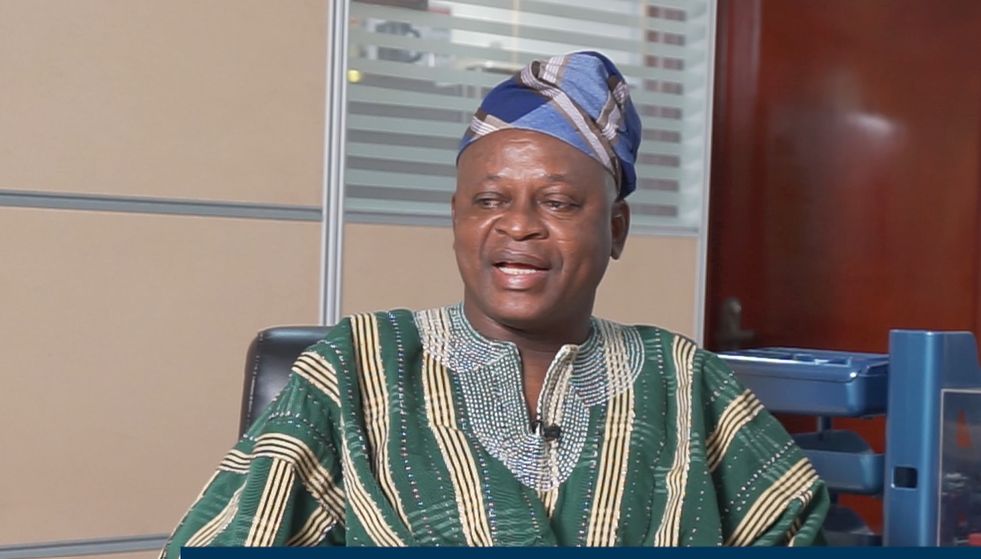
The minister also urged shipping lines to evacuate empty containers that have lingered for months. “Shipping lines are making calls to bring in more ships to help take their empty containers because they wouldn’t want to sit down and have them confiscated,” Nikpe told Channel One TV’s The Point of View on September 9, 2026.
During a visit to the port on Friday, Nikpe met with officials to discuss decisive steps to decongest the terminal. He highlighted that the influx of imports, coupled with limited export and transit cargo, has stretched available space at Terminal 3 and other GPHA facilities.
Short‑term solutions include partnering with the Railway Development Authority to temporarily relocate some containers to a railway terminal, and ordering the GPHA to acquire two additional cranes to speed loading and offloading, thereby reducing demurrage costs for shipping lines.
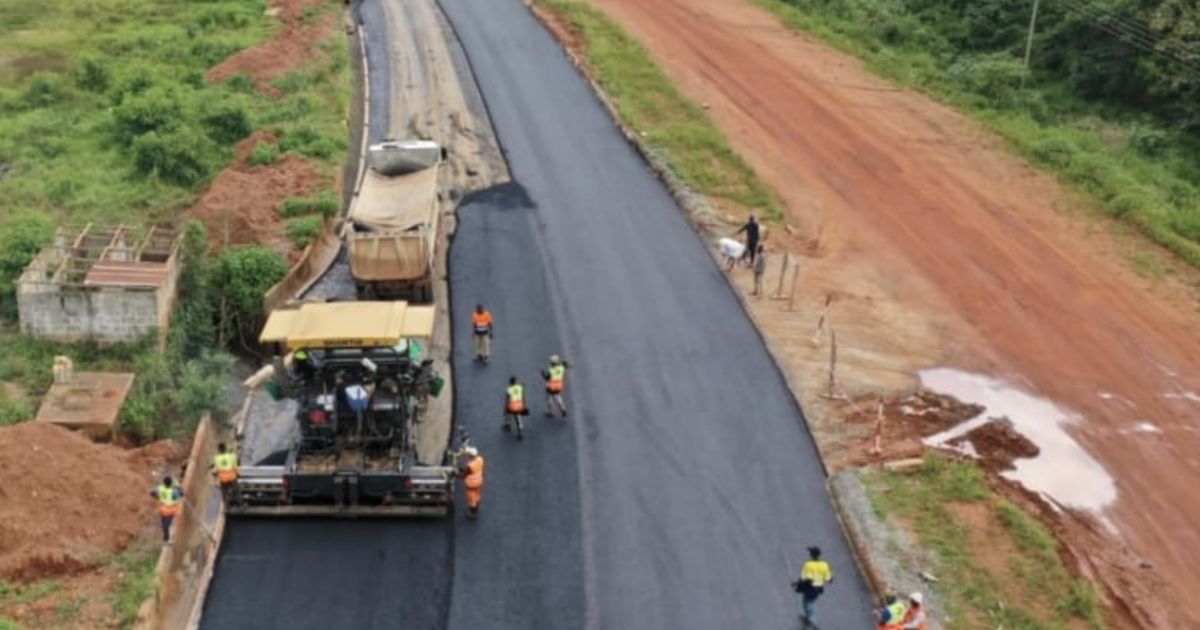
Looking ahead, Nikpe said the government is pursuing long‑term infrastructure expansion, with both GPHA and MPS slated to build new berths and enhance handling capacity. He also cited inadequate road links to and from the ports as a major bottleneck, noting plans to widen Tema and harbour routes to improve traffic flow.
These measures aim to free terminal space, boost cargo‑handling efficiency and ensure the ports can cope with the sharp rise in container volumes.